Tag: Battery Maintenance

  • New Battery First Charge: What to Pay Attention To?

    New Battery First Charge: What to Pay Attention To?

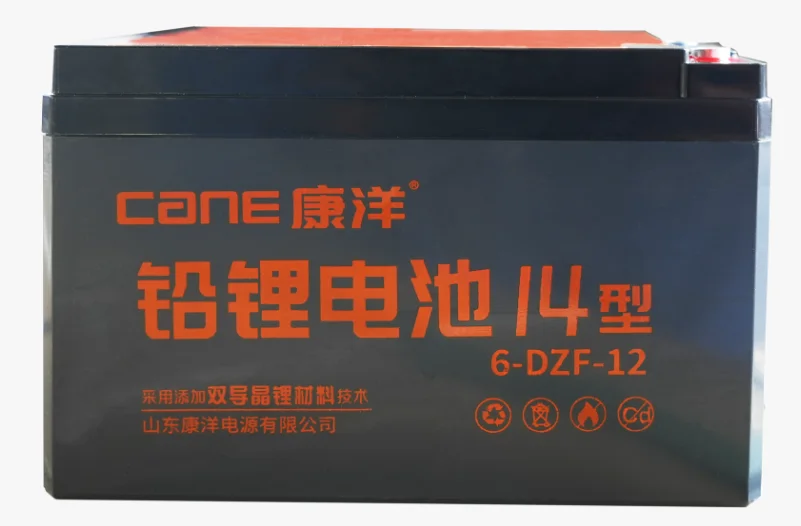
    Many friends wonder how to properly charge a new battery for the first time after replacing it in their electric vehicle. In fact, the initial use and charging method are very important and directly affect the battery’s subsequent performance and lifespan. Today, we summarize the tips for using a newly replaced battery. Let’s learn together!

    I. Don’t rush to charge a new battery

    New batteries come with some charge from the factory and during transportation. There is no need to fully charge them immediately after installation, nor should you ride until the battery is completely dead before charging.

    Recommendation: Ride normally and perform the first charge when the remaining power is about 20%–30%. This helps the battery enter a stable state.

    II. How long should the first charge be?

    Modern chargers and batteries have protection features, so overcharging is not necessary.

    • Lead-acid battery: After the charger turns green, you can continue charging for 1–2 hours. The total time should be based on when the battery is fully charged.
    • Lithium battery: When the green light is on, it indicates a full charge. Unplug the power in time.

    Remember: Stop charging once full. Avoid prolonged overcharging, as it helps reduce battery heating and bulging, extending the service life.

    III. Key points for the first charge

    1. Use a matching, genuine charger

    Different battery models have different voltage and current parameters. Using an incompatible charger may affect battery performance.

    2. Charge in a ventilated, dry, and safe environment

    Avoid charging in direct sunlight, enclosed spaces, or unsafe areas to ensure safety.

    3. Try to fully charge in one go, reducing frequent plugging and unplugging

    For the first few uses of a new battery, try to fully charge it in one session to help the battery enter a working state.

    IV. Daily use for stable range

    • For the first 3–5 charges, follow the correct method to stabilize the battery.
    • Avoid deep discharging and overcharging in daily use.
    • If not used for a long time, periodically recharge to maintain battery activity.

    A good battery depends not only on factory performance but also on long-term reliability. The first charge is just the beginning. Choosing a reliable brand ensures better range, longer life, and peace of mind in daily riding. Good usage habits combined with quality batteries make daily riding more worry-free.

    Cane Energy has long been dedicated to the electric vehicle battery field. With rigorous production processes and strict factory testing, we provide users with stable and safe battery products. Starting from actual user scenarios, we ensure product quality while sharing practical knowledge to help everyone better use and maintain batteries, making travel smoother and more reliable.

    In the future, Cane Energy will continue to accompany every user with reliable products and attentive service for safe travel!
  • How to Identify Genuine New Lead-Acid Batteries

    How to Identify Genuine New Lead-Acid Batteries

    When replacing lead-acid batteries for electric vehicles, tricycles, or cars, you may worry about buying refurbished, old stock, or non-genuine batteries. Mastering simple identification methods can help you choose reliable products and ensure your batteries perform steadily and last longer. Today, we have compiled practical tips to help you easily identify genuine new lead-acid batteries. Let’s take a look!

    1. Check Appearance and Labels: Details Matter

    Genuine new lead-acid batteries have clear and standardized appearance and labeling features:

    • Casing condition: The surface is clean and flat, with no obvious scratches, stains, deformation, or polishing marks. The casing seams are uniform with no signs of secondary sealing.
    • Printing and coding: Model, parameters, codes, etc., are printed clearly and neatly. Laser codes are firmly attached and not easily erased. No blurring, ghosting, alterations, or scratch marks.
    • Compliance information: Complete information such as applicable standards, manufacturer, model specifications, production date, and warranty period is clearly marked and legible.

    2. Check the Terminals: Signs of Use Cannot Be Hidden

    The terminals (posts) are a direct indicator of whether a battery is new:

    • Genuine new: Terminals are bright and clean, with no screw indentations, oxidation blackening, green or white rust, or wrench marks.
    • Non-new/refurbished: Terminals show signs of use, such as slight indentations, oxidation discoloration, rust, or polishing marks. Such batteries should not be purchased as new.

    3. Check Codes and Dates: Identify Type and Freshness

    Genuine batteries have complete codes on the casing, allowing quick identification of type and production time. It is recommended to choose batteries produced within the last 3 months for better performance. Batteries older than 6 months may have reduced capacity, so purchase with caution. Always ensure the production date is clear, unaltered, and without signs of later printing, and that the information is verifiable.

    4. Verify Anti-Counterfeiting and Weight: Genuine Products Are Reliable

    • Official anti-counterfeiting: Genuine brands like Cane Energy have anti-counterfeiting labels or QR codes. Scratch off the coating and scan, call, or check online. A first-time query indicates a genuine product; multiple queries should raise suspicion.
    • Weight reference: The weight of lead-acid batteries is related to material content. Genuine batteries of the same specification have consistent weight. Batteries that are significantly lighter may have substandard materials.

    5. Check Packaging and After-Sales: The Last Line of Defense

    • Complete packaging: Genuine new batteries come in intact packaging with proper sealing, including manuals and warranty cards.
    • After-sales proof: When replacing, ask the seller to note the battery model, that it is a genuine new product, and the warranty period on the receipt. Keep the receipt for future service.

    Cane Energy Batteries: Quality and Service Together

    Cane Energy focuses on the R&D and production of lead-acid batteries. Our products follow industry standards, with strict control from raw materials to production, providing users with stable, durable, and reliable lead-acid batteries. Every genuine new Cane Energy battery has clear identification and complete after-sales service, giving you peace of mind when replacing and using.

    Quick Identification Mnemonic (Easy to Remember)

    Casing clean with no polish marks, printing clear and hard to erase.

    Terminals bright with no rust, codes confirm the new standard.

    Fresh date within three months, anti-counterfeit check and weight sufficient.

    Packaging intact and receipt clear, genuine product with after-sales guarantee.

  • How to Maintain Your EV Battery During Long-Term Storage

    How to Maintain Your EV Battery During Long-Term Storage

    With the rapid advancement of technology, electric vehicles (EVs) have entered countless homes, becoming a great helper for daily travel. However, sometimes we encounter situations where we temporarily don’t use the EV due to working away from home or extreme weather. When we want to ride it again after a period, we may find it won’t charge, has reduced range, or even affects future use. In fact, long-term storage of an EV is not a problem as long as the correct methods are followed, ensuring durability and peace of mind. Today, drawing on years of experience in EV battery manufacturing, we share some simple and easy-to-remember battery storage tips.

    1. Charge to the Right Level Before Long-Term Parking

    Batteries are most afraid of being left in a low-charge state. Whether using common lead-acid batteries or lead-lithium lead-acid batteries, pay attention to the charge level before long-term storage:

    • Lead-acid batteries: It is recommended to fully charge before storage to reduce the impact of low charge.
    • Lead-lithium lead-acid batteries: Charge to a moderate level before storage, which is more conducive to maintaining battery condition.

    Avoid storing the battery for long periods when the charge is very low, as this can affect future use and lifespan.

    2. Disconnect Unnecessary Power Drains to Ease the Battery

    Even when not in use, the EV’s circuitry consumes a small amount of power.

    • When not in use for a long time, turn off the vehicle’s main power.
    • For extended storage, safely disconnect the battery connection cables to reduce hidden power consumption.

    This allows the battery to “rest” quietly, extending its service life.

    3. Storage Environment: Cool and Dry, Avoid Direct Sunlight and Rain

    Batteries prefer a ventilated, dry, and room-temperature environment:

    • Do not place in areas exposed to prolonged direct sunlight; high temperatures are not friendly to batteries.
    • Avoid locations with standing water, humidity, or exposure to rain to prevent moisture damage.

    In short: a sheltered, non-sunny, and dry place is a good environment for batteries.

    4. Recharge Periodically to Keep the Battery Healthy

    Long-term storage does not mean “completely neglect”:

    • Periodically charge the battery for a while to maintain its activity.
    • Especially in colder temperatures, appropriate recharging better protects the battery.

    As long as you “charge occasionally,” the battery will perform better when you resume use.

    5. When Resuming Use, Don’t Rush to Ride Aggressively

    For an EV that has been idle for a long time, follow these steps when restarting:

    • First, fully charge the battery normally.
    • Initially, ride gently to allow the battery to gradually recover its condition.

    With proper maintenance and reasonable use, battery life and performance will be more stable.

    Cane Energy: Committed to Quality Batteries for Greater User Convenience

    Cane Energy has always focused on battery research and production, insisting on developing battery products that are stable, durable, easy to maintain, and simple to care for, based on users’ daily usage scenarios.

    We value every user’s riding experience, emphasizing quality and safety throughout the entire process from production to use, ensuring that users feel reliable and assured during daily riding, long-term storage, and repeated charging and discharging.

    Battery maintenance is not complicated. Remember these key points: proper charge level, dry environment, periodic recharging, and scientific use. Combined with a reliable battery, your EV will accompany you for a longer time.

  • Why Your EV Charger Light Stays Red and Won’t Turn Green

    Why Your EV Charger Light Stays Red and Won’t Turn Green

    In daily use of electric vehicles, it is common to encounter a situation where the charger indicator light remains red for a long time and does not turn green. People often wonder: is it a battery issue or a charger problem? Today, let’s sort out the common causes, simple troubleshooting methods, and how to use the vehicle more safely through proper practices.

    1. Common Reasons Why the Charger Does Not Turn Green

    The charger indicator not switching to green is usually not caused by a single factor; it may be related to the battery status, charger compatibility, usage environment, etc.

    1.1 Battery-Related Situations

    • Batteries that have been used for a long time may have degraded performance, resulting in a relatively flat voltage rise during charging, which can delay the charger’s judgment.
    • Differences in the state of individual cells within the battery pack, leading to inconsistent voltage rise, can also affect the indicator.
    • Batteries that experience heating, appearance changes, etc., during use may also be accompanied by abnormal charging status.

    1.2 Charger-Related Situations

    • Mismatch between the charger and battery voltage or model can easily prevent normal indicator switching.
    • Chargers that have been used for a long time with aging internal components may affect voltage detection accuracy.
    • Poor ventilation or high temperature at the charger’s placement can lead to unstable operation.

    1.3 Other Easily Overlooked Factors

    • Charging environment temperature that is too high or too low can affect the battery’s charging reaction speed.
    • Poor contact at the charging interface or slight looseness in the wiring can also cause abnormal charging status.
    • Continuous charging for extended periods may make the indicator transition less noticeable.

    2. Simple Self-Test: Roughly Distinguish Between Battery and Charger Issues

    You can perform a safe and simple preliminary judgment at home:

    2.1 Replace with a Same-Specification Certified Charger for Testing

    If the indicator turns green normally after replacing with a matching charger, the problem is likely with the original charger. If it still does not turn green after replacement, focus on the battery or wiring connections.

    2.2 Observe Battery Performance

    If there has been a noticeable drop in range recently or the battery temperature is high during charging, prioritize checking the battery status. If the range is relatively stable and the battery does not heat up significantly, focus more on the charger and contact issues.

    2.3 Improve Environment and Contact Conditions

    Clean the charging interface, ensure charger ventilation, and charge at room temperature. In some cases, this can restore normal operation.

    If you are still unsure after simple troubleshooting, it is recommended to go to a professional repair shop for inspection. Do not attempt to disassemble the battery or charger yourself.

    3. Use Good Batteries for More Stable Daily Charging

    Smooth charging is related to the stability and compatibility of the battery itself.

    Cane Energy has long focused on the power battery field, continuously investing in product R&D, production processes, and quality control to provide users with a stable and reliable experience.

    Whether in structural design, material selection, or factory testing, strict control is exercised to enhance the stability of the battery during charging and discharging, ensuring good compatibility with certified chargers. Cane Energy offers a variety of battery specifications and models to meet the needs of most electric vehicles, helping users reduce inconveniences caused by matching issues in daily use.

    4. Daily Charging Tips

    • Always use a certified charger that matches the battery model.
    • Ensure good ventilation during charging, and avoid charging in high temperatures, direct sunlight, or extremely low temperatures.
    • If you notice battery heating, bulging, or a significant drop in range, have it checked promptly.
    • Avoid blindly overcharging for long periods; develop good charging and usage habits.

    Conclusion

    Vehicle use is no small matter, and charging is key. Cane Energy always adheres to rigorous product standards and provides practical vehicle usage tips to accompany every user on safe journeys with peace of mind.

  • Hot Weather Electric Bike Tips: Safe Riding and Battery Care

    Hot Weather Electric Bike Tips: Safe Riding and Battery Care

    As temperatures rise and sunlight intensifies, many electric bike users notice their vehicles getting hot to the touch, feel concerned when charging, and observe batteries heating up more easily.

    In fact, by paying attention to a few small details during the hot season, you can make your rides safer and keep your vehicle and battery in better condition. Today, let’s talk about the proper use and daily care of electric bikes in hot weather, helping you ride safely and with peace of mind.

    1. High-Temperature Exposure Risks: Practices to Avoid

    Prolonged exposure to high temperatures accelerates the aging of vehicle components and raises the internal temperature of the battery, potentially affecting battery performance and stability.

    • Park your vehicle in a shaded, well-ventilated area to avoid direct sunlight.
    • When parking outdoors, use a sun cover or shading device to reduce the impact of high temperatures on the vehicle and battery.
    • Avoid riding or charging immediately after exposure to direct sunlight; allow the vehicle and battery time to cool down.

    2. Proper Charging in Hot Weather: Safe and Battery-Friendly

    Charging is a critical aspect of summer vehicle use. Proper methods can effectively reduce risks and extend battery life.

    • Choose the right environment: Charge in a cool, well-ventilated area away from flammable materials. Do not charge in direct sunlight or enclosed spaces.
    • Cool down before charging: After exposure to sunlight or riding, let the vehicle rest for at least half an hour to allow the temperature to drop before charging.
    • Use a compatible charger: Always use the original charger or one with matching specifications. Do not mix chargers or use damaged accessories.
    • Control charging time: Disconnect the charger promptly once fully charged. Avoid prolonged continuous charging to reduce the risk of overheating.
    • Stay away from hazardous areas: Do not charge in hallways, bedrooms, or near flammable materials. Keep the charging environment safe.

    3. Battery Usage and Protection Tips for Hot Weather

    The battery is the core component of an electric bike, and it requires extra care in hot weather:

    • Avoid prolonged high-power riding and frequent rapid acceleration to reduce battery heat generation.
    • Regularly inspect the battery for deformation, looseness, unusual odors, or abnormal heating.
    • Keep battery terminals clean and securely connected to prevent poor contact that can cause heating.
    • If any abnormality occurs, stop using the battery immediately and contact a professional for inspection. Do not continue using a faulty battery.

    4. Daily Riding Tips for Enhanced Safety and Durability

    • Avoid continuous long rides in hot weather. Take breaks to cool down and reduce the load on the vehicle and battery.
    • Regularly check wiring, brakes, tires, and other components to keep the vehicle in stable condition.
    • Do not modify wiring or install high-power devices without authorization, as this increases the risk of short circuits and overheating.

    Cane Energy: Stable Quality for Every Ride in Hot Weather

    Cane Energy is dedicated to battery research and production, always prioritizing safety and performance stability. From raw material selection and production process control to multiplepre-delivery tests, we build our products with rigorous standards. We strive to provide users with stable, reliable battery options, helping you ride with confidence even in hot weather.

    In the hot season, safety comes first, and maintenance is key. Proper use and scientific protection not only enhance travel safety but also make your electric bike and battery more durable. Cane Energy reminds all users to pay attention to the details of riding in hot weather, ensuring peace of mind on every journey.

  • Spring Rain Riding and Post-Rain Maintenance Guide for Electric Bikes

    Spring Rain Riding and Post-Rain Maintenance Guide for Electric Bikes

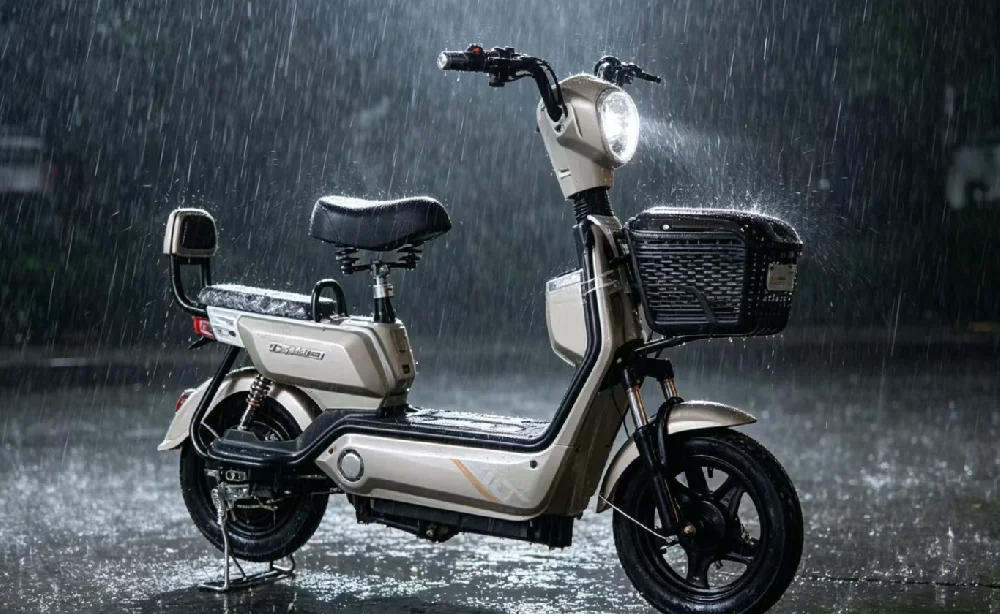
    As spring arrives and temperatures rise, rainy days become more frequent, especially around the Qingming Festival. Riding an electric bike in the rain requires attention to safety, and proper post-rain maintenance can effectively extend the life of both the vehicle and its battery. This article provides practical tips for using and protecting your e-bike during the rainy season, ensuring a safer spring commute.

    I. Key Precautions for Riding in the Rain

    1. Slow down and avoid sudden braking or sharp turns.

    Wet roads reduce tire grip, so ride at a slower speed. Avoid rapid acceleration, hard braking, or sharp turns to prevent skidding or loss of control.

    2. Avoid deep puddles.

    If you encounter standing water, it’s best to detour. Deep water can soak the vehicle’s wiring, motor, and other components, affecting performance and increasing the risk of malfunctions.

    3. Keep your vision clear and protect yourself.

    Wear appropriate rain gear to ensure a clear view ahead and to the sides. Stay alert to road conditions, avoiding potholes and muddy areas for safer riding.

    4. Keep distance from pedestrians and other vehicles.

    In rainy weather, pedestrians and vehicles move more slowly. Maintain a safe distance and ride steadily without rushing.

    II. Timely Post-Rain Maintenance for a Longer-Lasting E-Bike

    1. Wipe down the bike to keep components dry.

    After riding, use a clean cloth to wipe the frame, wheels, brakes, and other parts. This reduces prolonged moisture exposure, lowering the risk of rust and aging.

    2. Check wiring and connectors for dryness.

    Inspect battery terminals, charging ports, and wire connections to ensure no water ingress or dampness. If moisture is found, let them air dry in a ventilated area before use.

    3. Do not charge immediately after rain.

    Batteries and charging ports may retain moisture after rain or exposure to damp conditions. Allow the vehicle to air dry in a ventilated space before charging to enhance safety.

    4. Check brakes and tires.

    Rain can affect brake performance. After riding, gently apply the brakes a few times to dry them. Also, inspect tire tread and pressure to ensure stable riding.

    5. Park in a dry, ventilated area.

    Avoid leaving your e-bike exposed to rain or in damp environments for long periods. Store it in a dry, well-ventilated location to protect both the vehicle and battery.

    III. Extra Care for Batteries in the Rainy Spring

    The battery is a critical component of an e-bike, and proper care is essential in humid weather:

    • Avoid prolonged exposure to rain or direct water spray on the battery.
    • Keep the battery casing clean and ensure connections are tight and secure.
    • Use a compatible, undamaged charger; never use broken or damp accessories.
    • If you notice overheating, unusual odors, or other abnormalities, stop using the battery immediately and have it inspected.

    Batteries with stable quality typically offer reliable structural protection and consistent performance, providing dependable support for daily commuting during the variable spring weather.

    Cane Energy: Stable Quality for Every Spring Journey

    Cane Energy is dedicated to battery R&D and manufacturing, always prioritizing product stability and safety. From raw material selection and production process control to rigorous factory testing, we adhere to strict standards to deliver batteries with stable range and reliable performance.

    Spring brings more rain, and safety comes first. Cane Energy reminds all users: ride cautiously in the rain, perform timely post-rain maintenance, and use and protect your e-bike properly. Let safety accompany every ride.

  • Battery Overheating or Short Circuit? Emergency Handling and Daily Protection

    Battery Overheating or Short Circuit? Emergency Handling and Daily Protection

    During daily use of electric vehicles, battery safety is always a key concern. Battery overheating and short circuits not only affect battery life but can also pose serious safety hazards. Many users feel at a loss when encountering issues like battery heating, strange smells, or unusual noises. This article provides practical and safe battery knowledge from two aspects: emergency handling and daily protection, helping you use your vehicle scientifically and travel with peace of mind.

    1. Signs That Your Battery May Be Overheating or at Risk of Short Circuit

    Before danger actually occurs, batteries usually show obvious warning signs. Pay immediate attention to the following phenomena:

    • The battery casing is noticeably hot to the touch, with an abnormal temperature rise.
    • A burning, plastic, or unusual smell during charging.
    • The battery is bulging, deformed, with blackened or smoking terminals.
    • The charger indicator does not turn green during charging, or the battery takes too long to charge fully.
    • Sudden power loss, abnormal power output, or heating of wires while driving.

    If any of the above occurs, stop using and charging the battery immediately. Do not take any chances.

    2. Correct Emergency Handling Steps for Battery Overheating or Suspected Short Circuit

    Step 1: Immediately Disconnect Power and Move Away from Heat Sources

    • Unplug the charger and turn off the electric vehicle’s power.
    • Quickly move the vehicle to an outdoor, open, and well-ventilated area away from flammable materials, doors, windows, stairways, and combustibles.
    • Do not continue riding, charging, or attempt to hit or disassemble the battery.

    Step 2: Do Not Pour Water Blindly – Beware of Danger

    Many users instinctively pour water to cool the battery, but this is wrong and dangerous:

    • Water may cause further short circuits, increasing the risk.
    • A hot battery exposed to water may produce harmful substances, causing secondary hazards.

    Correct action: Let the battery sit and observe from a safe distance.

    Step 3: If Smoke or Fire Occurs, Handle Scientifically

    • For minor smoke: Use a dry powder fire extinguisher or cover with sand/soil to cut off air.
    • If fire spreads: Evacuate to a safe area immediately and call the fire department. Do not attempt to extinguish the fire yourself.
    • Evacuate nearby people and avoid gathering around.

    Step 4: Contact Professionals for Inspection Promptly

    Do not reuse an abnormal battery without inspection. Contact the brand’s after-sales service or a professional technician to check whether the issue is with the wiring, usage, or the battery itself, and eliminate the root cause.

    3. Daily Practices to Significantly Reduce the Risk of Battery Overheating and Short Circuits

    Safety lies in prevention. Developing good usage habits can effectively improve battery stability.

    1. Charge Scientifically – Avoid Overcharging and High-Temperature Charging

    • Use the original or a compatible charger; do not mix chargers of different specifications.
    • Control charging time within a reasonable range; do not charge overnight for extended periods.
    • Do not charge in direct sunlight, high-temperature environments, or confined spaces.
    • If the battery is hot, let it cool down before charging.

    2. Avoid Battery Short Circuits and Damage

    • Do not modify the wiring or install high-power electrical devices without authorization.
    • Prevent the positive and negative terminals from contacting metal objects; keep terminals secure, clean, and free from looseness.
    • Avoid severe vibration, impact, or squeezing of the battery to prevent internal damage.
    • Regularly inspect wiring and replace any that is aged or damaged promptly.

    3. Use Reasonably – Avoid Deep Discharge

    • Try not to fully deplete the battery before charging; shallow discharge and shallow charge are better for battery stability.
    • Heavy loads, climbing hills, and prolonged high-speed driving increase battery stress; moderate speed reduction can reduce heat generation.
    • If the vehicle is not used for a long time, maintain the battery charge at a reasonable level and recharge periodically to avoid deep discharge.

    4. Choose Reputable Channels and Reliable Batteries

    The manufacturing process, internal structure, and material selection of batteries directly affect safety. Batteries with stable quality feature better designs in over-temperature protection, short-circuit prevention, and structural strength, effectively reducing usage risks.

    When purchasing or replacing batteries, choose brands with standardized production, strict testing, and comprehensive after-sales service to enhance safety from the source.

    4. Cane Energy: Ensuring Safe Travel with Stable Quality

    As a battery manufacturer deeply rooted in the industry, Cane Energy always prioritizes product safety and stability. From raw material selection and production process control to final product testing, we implement strict quality management procedures to ensure every battery offers superior stability and safety.

    We are committed to providing practical and reliable batteries that deliver stable range and peace of mind. At the same time, Cane Energy continues to promote safe battery knowledge, reminding users to maintain and use batteries properly, so safety accompanies every journey.

    Safety is no small matter, and habits are key. We hope thiseducational article helps more users master the response methods and preventive knowledge for battery overheating and short circuits. Choosing quality products and developing good habits will make your electric vehicle safer and more durable.

  • E-Bike Battery Losing Range? 5 Charging Mistakes You’re Making

    E-Bike Battery Losing Range? 5 Charging Mistakes You’re Making

    Many electric bike owners face a common issue: a new battery offers ample range, but after some time, range drops noticeably and charging becomes more frequent. In reality, battery degradation is not always a quality problem—daily charging habits play a key role. Cane Energy, with years of expertise in the e-bike battery field, explains 5 common charging mistakes and shares scientific charging methods to help extend battery life.

    Mistake 1: Overnight Charging—Overcharging Damages Battery Life

    Many people plug in before bed and unplug in the morning, assuming the charger automatically cuts off when the light turns green. In fact, after the light turns green, the charger enters a float charging mode, supplying a small current continuously. Over time, this raises the internal electrolyte temperature, reduces water content, and may cause capacity loss, bulging, or leakage.

    Correct Practice: Unplug 30–60 minutes after the green light appears; total charging time should not exceed 8 hours. Consider using a smart charger with a timed shutoff feature.

    Mistake 2: Charging Immediately After Riding—High or Low Temperatures Harm the Plates

    After riding in summer, the battery is hot; in winter, it is cold. Charging immediately under these conditions can affect the battery. High temperatures accelerate electrolyte decomposition, while low temperatures reduce charging acceptance, both detrimental to long-term battery health.

    Correct Practice: Let the battery rest for 15–30 minutes in summer, or bring it indoors to warm up in winter, until it nears room temperature before charging.

    Mistake 3: Long-Term Storage at Low Charge—Sulfation Can Occur

    If an e-bike is parked for a long time without charging, the battery remains at a low charge level, making the plates prone to sulfation. This can cause capacity loss and even affect normal use.

    Correct Practice: For storage over 7 days, charge the battery to 50%–60% capacity first, then recharge every 15 days to maintain a proper charge level.

    Mistake 4: Using Non-Original Chargers—Voltage/Current Mismatch Harms the Battery

    Using generic or non-original chargers for convenience can lead to voltage and current mismatches, resulting in low charging efficiency or even overvoltage/overcurrent conditions, compromising safety and battery life.

    Correct Practice: Always use the original charger or one with matching specifications. Do not mix or modify chargers.

    Mistake 5: Charging in Extreme Environments—Environmental Factors Accelerate Aging

    Charging outdoors under direct summer sun, in winter cold, or in damp or flooded areas can accelerate battery aging. High heat can cause abnormal temperature rise, while moisture can oxidize connectors and cause poor contact.

    Correct Practice: Charge in a cool, ventilated, dry place. In rain, wipe the charging port dry first; after wading, ensure safety before charging.

    Cane Energy: Good Habits + Good Batteries = Longer Range

    Battery durability depends half on scientific use and half on product quality. Cane Energy is always committed to technological innovation, continuously improving performance through nano-coatings, graphene-modified materials, and high-energy lead-lithium battery technology.

    Our products have undergone laboratory testing, showing excellent cycle life, significantly improved charging speed and service life, providing users with a more stable and reliable riding experience.

    Develop proper charging habits and pair them with Cane Energy’s high-quality batteries to keep your e-bike’s range stable, extend its lifespan, and enjoy worry-free travel!

  • Don’t Just Look at Price When Buying Batteries: Capacity, Lifespan, and Safety Are Key

    Don’t Just Look at Price When Buying Batteries: Capacity, Lifespan, and Safety Are Key

    When buying electric vehicle batteries, many people’s first reaction is to compare prices: choose the cheapest one. But after a while, they find that battery range drops, winter mileage shortens, charging heats up, and performance degrades noticeably. In the end, it costs more money, more worry, and more concern.

    As a company with years of experience in the battery industry, Cane Energy wants to share an important insight: when buying batteries, don’t just look at the price. Whether the capacity is sufficient, the lifespan is long, and the usage is safe and stable are the key factors that determine a satisfying and worry-free daily experience.

    1. Choosing Cheap Batteries Often Leads to ‘Paying for Trouble’ Later

    Some low-priced batteries on the market may seem to save money upfront, but in actual use, the following issues may arise:

    • Actual range falls short of the labeled value, and mileage decreases over time.
    • Charge-discharge cycle life is average, with noticeable degradation after short use.
    • Materials and workmanship are ordinary, leading to instability and heating during charging.
    • After-sales service is inadequate, making it difficult to resolve problems effectively.

    Low-priced batteries may save money initially, but they can lead to frequent replacements, charging concerns, and running out of power midway, resulting in higher overall costs.

    Cane Energy firmly believes that the battery is the core of vehicle power and an important part of safety. It should not sacrifice long-term user experience and safety for a low price.

    2. When Choosing a Battery, Focus on These 3 Points—They Matter More Than Price

    1. Real Capacity: Determines Daily Range

    Capacity is the foundation of battery range.

    • Sufficient capacity ensures more reliable range, suitable for commuting, home use, and delivery scenarios.
    • High-quality materials and honest capacity provide more stable discharge performance in low temperatures.
    • Strong starting power and easier hill climbing make daily riding more comfortable.

    Cane Energy’s full range of batteries adheres to honest capacity labeling, ensuring every charge delivers reliable and long-lasting performance.

    2. Cycle Life: Determines How Long It Lasts and Whether It’s Cost-Effective

    The longer the battery life, the lower the annual cost.

    • Short life means frequent replacements, which is not cost-effective in the long run.
    • Stable life maintains good performance under normal use, making a one-time investment more worthwhile.
    • Reliable batteries offer more stable charging and discharging, providing peace of mind.

    A truly cost-effective battery is not one that is cheap to buy, but one that lasts long and performs steadily.

    3. Safety: A Critical Factor That Cannot Be Overlooked

    Battery safety directly affects personal and property safety.

    • Stable materials reduce the risk of overheating and swelling.
    • Reliable structural design ensures shock resistance and adaptability to complex road conditions.
    • More stable charging performance provides greater peace of mind in daily use.

    Whether traditional lead-acid batteries or the new generation of lead-lithium batteries, safety is the core standard at Cane Energy.

    3. Two Classic Choices from Cane Energy to Meet Different Needs

    Many long-time users know that Cane Energy first established its market position with high-quality lead-acid batteries. Our lead-acid batteries offer:

    • Mature technology and strong stability.
    • Excellent cost performance and comprehensive after-sales service.
    • Wide compatibility with various vehicle models and years of market reputation.

    They remain a practical choice for many users.

    Building on this classic foundation, Cane Energy has upgraded to introduce lead-lithium batteries that better meet modern user needs:

    • Improved capacity, range, lifespan, and charging efficiency compared to traditional lead-acid batteries.
    • Retains the stable characteristics of lead-acid batteries with even more reassuring safety performance.
    • No blind pursuit of gimmicks, no compromise on safety standards—true performance upgrade without sacrificing safety.

    Cane Energy’s approach is never to ‘phase out old models,’ but to offer users more, better, and more suitable choices.

    4. How to Choose the Right One?

    • For economical, practical, and reliable performance: Choose Cane Energy lead-acid batteries.
    • For longer range and better lifespan: Upgrade to Cane Energy lead-lithium batteries.

    Whichever you choose, remember: don’t just look at the price when buying batteries! Capacity, lifespan, and safety are the real keys.

    5. Cane Energy: Quality Batteries for Peace of Mind on Every Trip

    From lead-acid to lead-lithium, Cane Energy has always insisted on not producing low-price, low-quality products. We focus on creating durable, safe, and reliable batteries. No false labeling—just real range, stable lifespan, and a worry-free experience.

    Next time you change your battery, don’t just ask ‘how much.’ Pay attention to these three points: Is the capacity real? Is the lifespan long? Is the safety stable?

    Choose Cane Energy for reliable power and peace of mind. With professional manufacturing, we protect every journey!

  • Slow Electric Bike Charging? Just Swap the Battery

    Slow Electric Bike Charging? Just Swap the Battery

    Many electric bike users face a common frustration: plugging in at night and waiting all night for a full charge; rushing in the morning, needing to go out at noon, or delivering goods in the afternoon, only to find that a quick charge barely gets you anywhere; urgent tasks delayed by a battery that just won’t charge fast enough.

    Often, the issue isn’t the charger or the vehicle—it’s the type of battery you’re using.

    As a company dedicated to battery R&D and manufacturing for years, Cane Energy has long served users with mature and stable lead-acid batteries.

    Cane Energy lead-acid batteries are technologically mature, safe, reliable, cost-effective, and easy to maintain. They meet daily basic power needs and have gained strong market recognition over the years. They remain our core product, and we continue to optimize and upgrade them to provide reliable, high-quality lead-acid batteries.

    Today, we’re not dismissing anything—just offering education and an upgrade recommendation. While retaining all the advantages of lead-acid batteries, Cane Energy is launching a new generation of lead-lithium lead-acid batteries to address the pain points of slow charging, long waits, and inconvenient top-ups, giving you a more efficient and hassle-free option.

    1. First, let’s clarify: traditional lead-acid batteries are still very practical

    Let’s be clear from the start:

    Traditional lead-acid batteries are not outdated, nor are they hard to use.

    • 1. Mature technology, proven by long-term market use.
    • 2. Safe and stable, worry-free operation.
    • 3. Affordable price, convenient after-sales service.
    • 4. Fully sufficient for daily short trips and infrequent use.

    If you don’t use your vehicle much and have low demands on charging speed, Cane Energy lead-acid batteries remain a very reliable and economical choice.

    2. Why are we launching lead-lithium lead-acid batteries?

    As life gets faster, batteries face higher demands:

    • 1. Faster charging, no more long waits.
    • 2. Quick top-ups for impromptu trips or emergencies.
    • 3. No delays in work, deliveries, or travel due to slow charging.
    • 4. Greater durability and lower overall cost.

    To meet these new needs, Cane Energy has upgraded its mature lead-acid technology to create lead-lithium lead-acid batteries. This isn’t a replacement for lead-acid batteries, but an upgrade for users who need higher efficiency.

    3. What makes lead-lithium lead-acid batteries better for charging?

    In plain, practical terms:

    • 1. Faster charging, saving significant time. Compared to traditional lead-acid batteries, lead-lithium lead-acid batteries charge more efficiently, drastically reducing full charge time—no more waiting all night.
    • 2. More practical for quick top-ups. A short charge during lunch, before going out, or between tasks can cover a trip, making emergencies much easier.
    • 3. More stable performance and greater durability. While charging faster, overall performance is more stable, with a longer cycle life, making long-term use more cost-effective.
    • 4. Inherits safety and reliability. Leveraging years of battery manufacturing experience, Cane Energy maintains the stability and safety of the lead-acid system, suitable for both home and commercial use.

    Simple summary:

    Lead-acid batteries: stable, economical, reliable. Lead-lithium lead-acid batteries: fast, smooth, more efficient.

    4. Cane Energy’s buying advice

    • If you use your vehicle infrequently, prioritize economy, and can accept normal charging speeds: stick with Cane Energy lead-acid batteries—classic, reliable, and worry-free.
    • If you use your vehicle often, hate long waits, and want faster, more convenient charging: upgrade to Cane Energy lead-lithium lead-acid batteries for significantly improved charging efficiency and a better user experience.

    5. Final thoughts

    Cane Energy has deep roots in the battery industry, always starting from real user needs. We provide both the trusted classic lead-acid batteries and the more efficient lead-lithium lead-acid batteries, so users with different needs can find the right battery.

    If you’re troubled by slow charging, long waits, or inconvenient top-ups, you don’t need to change your vehicle—just choose the right battery, and the problem is solved.

    Cane Energy: building every battery with care, making your travel more time-saving, hassle-free, and worry-free!