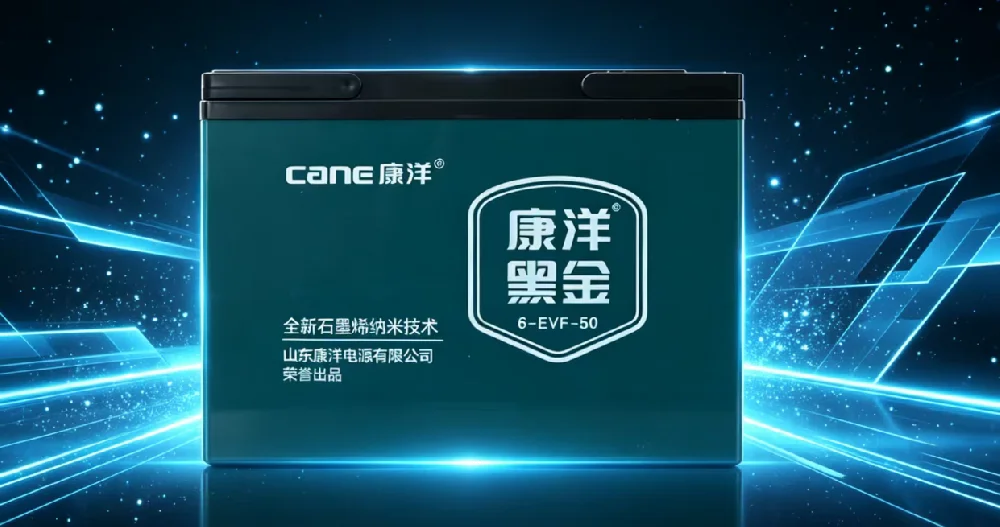
When replacing lead-acid batteries for electric vehicles, tricycles, or cars, you may worry about buying refurbished, old stock, or non-genuine batteries. Mastering simple identification methods can help you choose reliable products and ensure your batteries perform steadily and last longer. Today, we have compiled practical tips to help you easily identify genuine new lead-acid batteries. Let’s take a look!
1. Check Appearance and Labels: Details Matter
Genuine new lead-acid batteries have clear and standardized appearance and labeling features:
- Casing condition: The surface is clean and flat, with no obvious scratches, stains, deformation, or polishing marks. The casing seams are uniform with no signs of secondary sealing.
- Printing and coding: Model, parameters, codes, etc., are printed clearly and neatly. Laser codes are firmly attached and not easily erased. No blurring, ghosting, alterations, or scratch marks.
- Compliance information: Complete information such as applicable standards, manufacturer, model specifications, production date, and warranty period is clearly marked and legible.
2. Check the Terminals: Signs of Use Cannot Be Hidden
The terminals (posts) are a direct indicator of whether a battery is new:
- Genuine new: Terminals are bright and clean, with no screw indentations, oxidation blackening, green or white rust, or wrench marks.
- Non-new/refurbished: Terminals show signs of use, such as slight indentations, oxidation discoloration, rust, or polishing marks. Such batteries should not be purchased as new.
3. Check Codes and Dates: Identify Type and Freshness
Genuine batteries have complete codes on the casing, allowing quick identification of type and production time. It is recommended to choose batteries produced within the last 3 months for better performance. Batteries older than 6 months may have reduced capacity, so purchase with caution. Always ensure the production date is clear, unaltered, and without signs of later printing, and that the information is verifiable.
4. Verify Anti-Counterfeiting and Weight: Genuine Products Are Reliable
- Official anti-counterfeiting: Genuine brands like Cane Energy have anti-counterfeiting labels or QR codes. Scratch off the coating and scan, call, or check online. A first-time query indicates a genuine product; multiple queries should raise suspicion.
- Weight reference: The weight of lead-acid batteries is related to material content. Genuine batteries of the same specification have consistent weight. Batteries that are significantly lighter may have substandard materials.
5. Check Packaging and After-Sales: The Last Line of Defense
- Complete packaging: Genuine new batteries come in intact packaging with proper sealing, including manuals and warranty cards.
- After-sales proof: When replacing, ask the seller to note the battery model, that it is a genuine new product, and the warranty period on the receipt. Keep the receipt for future service.
Cane Energy Batteries: Quality and Service Together
Cane Energy focuses on the R&D and production of lead-acid batteries. Our products follow industry standards, with strict control from raw materials to production, providing users with stable, durable, and reliable lead-acid batteries. Every genuine new Cane Energy battery has clear identification and complete after-sales service, giving you peace of mind when replacing and using.
Quick Identification Mnemonic (Easy to Remember)
Casing clean with no polish marks, printing clear and hard to erase.
Terminals bright with no rust, codes confirm the new standard.
Fresh date within three months, anti-counterfeit check and weight sufficient.
Packaging intact and receipt clear, genuine product with after-sales guarantee.
Leave a Reply