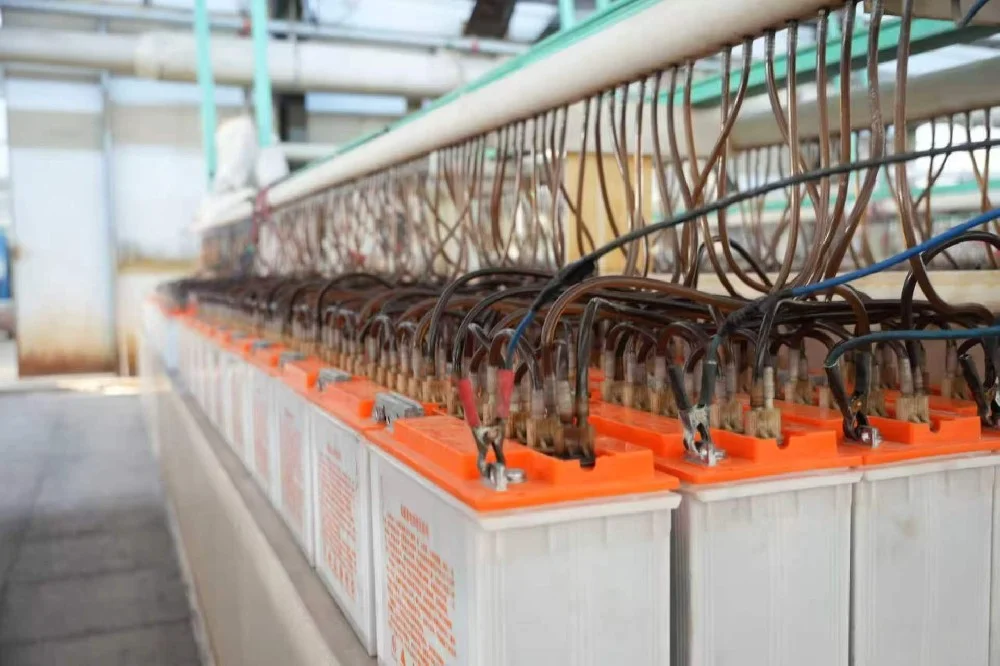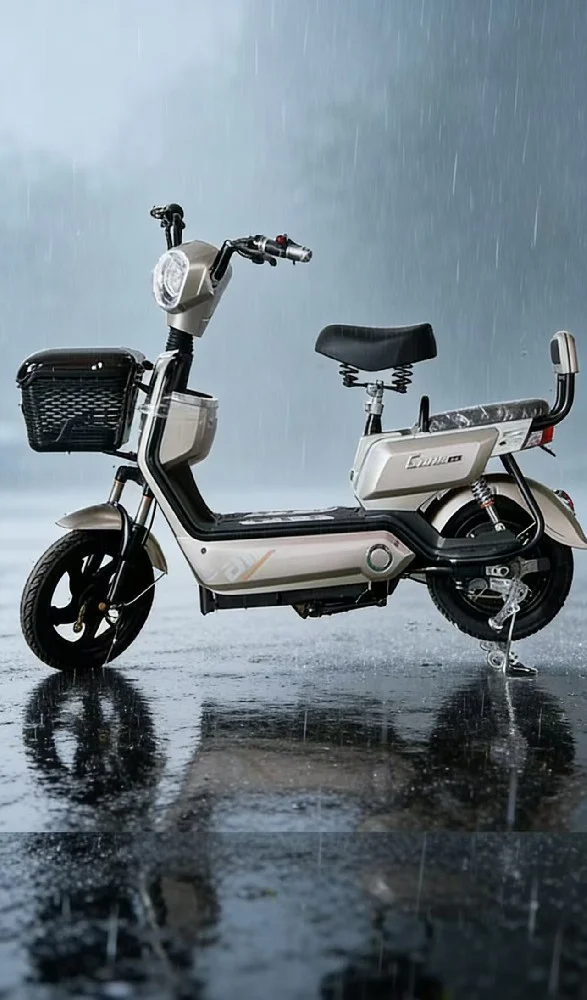
Many electric bike owners share the same frustration: the battery starts losing range soon after replacement, won’t charge fully, and needs replacing again within a year or two. When you add it up, replacing the battery every year costs a lot of money and causes a lot of hassle.
Actually, the problem isn’t how you charge, but the type of battery you choose. Today, we’ll explain in plain terms how to get a battery that’s truly cost-effective, and why more and more people are switching from traditional lead-acid batteries to lead-lithium batteries.
1. Why does your battery die after just over a year?
The most common type is the traditional lead-acid battery.
It’s cheap and well-established, but it has several unavoidable drawbacks:
1. Limited cycle life
Standard lead-acid batteries typically last 300–500 charge cycles. With daily use and charging, they degrade noticeably within 1–2 years.
2. Sensitive to over-discharge and overcharging
If you push it a bit hard, the range drops sharply. Many people have to replace it within two years.
3. Performance fades over time
A new battery runs far, but after a while, it starts showing false charge and rapid voltage drop, especially in winter, when range can be cut in half.
The result: the initial low price is deceptive; in the long run, it’s more expensive and troublesome.
2. For better value: don’t just look at the purchase price, consider how long it lasts
A truly cost-effective battery should meet these three criteria:
1. Longer life, no need for yearly replacement
2. Stable range, no drastic winter shrinkage
3. Low maintenance, hassle-free
The battery that meets all these is the lead-lithium battery, which many experienced riders are switching to. You might wonder: what is a lead-lithium battery, and how is it different from the lead-acid battery I used before?
3. Lead-lithium vs. traditional lead-acid: what’s the difference?
1. Significantly longer life – this is the biggest advantage
Traditional lead-acid batteries need replacement every 1–2 years. Lead-lithium batteries have a much longer cycle life, so you replace them less often. In simple terms, you might replace a lead-lithium battery once for every two times you’d replace a lead-acid one. Fewer replacements mean saving money and avoiding hassle.
2. Lighter weight, easier to carry for charging
Traditional lead-acid batteries are heavy, making it difficult for women and the elderly to carry them upstairs. Lead-lithium batteries are lighter for the same capacity, making charging, moving the bike, and removing the battery much easier.
3. More stable winter range, no drastic drop
Poor winter range is a common problem with lead-acid batteries. Lead-lithium batteries perform better in low temperatures, with less range loss, giving you more confidence for commuting and school runs in winter.
4. More durable, slower degradation
Lead-lithium batteries have improved charging efficiency and stability. They don’t show false charge, are less finicky, and maintain range longer. After a year of use, a lead-lithium battery is typically in much better condition than a standard lead-acid one.
5. Still safe and reliable, not just hype
Lead-lithium batteries are an upgrade based on mature, stable technology, not some unfamiliar new tech. From a reputable manufacturer, they are safe, reliable, and durable.
4. Summary: what makes lead-lithium batteries better?
Compared to traditional lead-acid batteries, lead-lithium batteries:
1. Last longer, so you don’t need to replace them every year – more cost-effective.
2. Are lighter, making them easier to carry and charge.
3. Perform better in winter, with less range loss.
4. Offer more stable performance, with slower degradation and no false charge.
5. Are safe and reliable for everyday use.
Think of it this way: a lead-lithium battery is an upgraded version of a lead-acid battery. It retains the reliability of lead-acid while addressing its shortcomings, giving you longer life and less hassle.
5. Cane Energy: your more cost-effective, durable choice
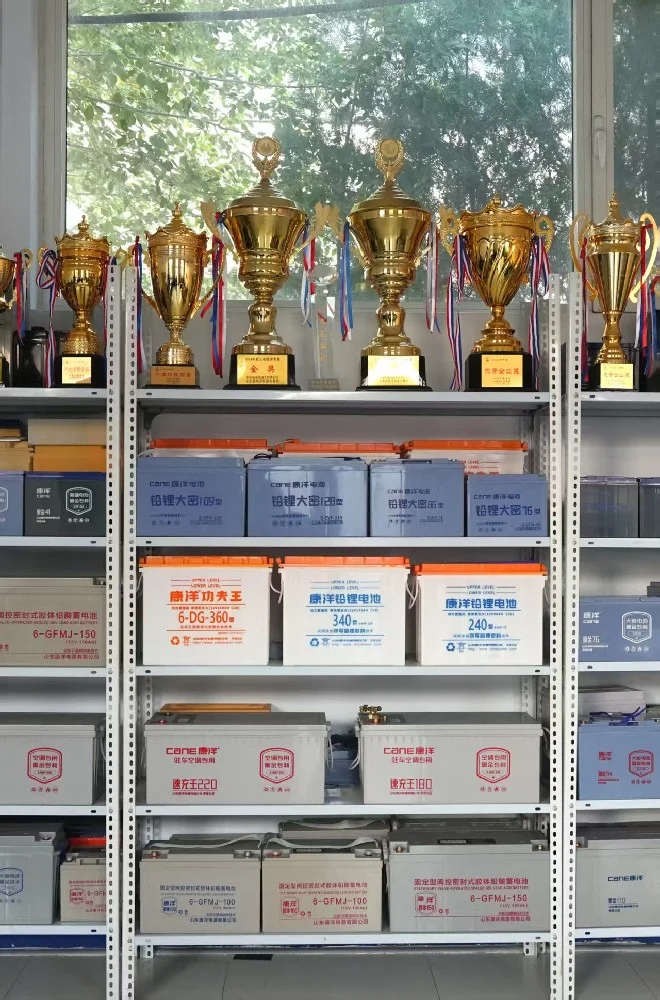
At Cane Energy, we have been focused on making batteries that people can trust for years.
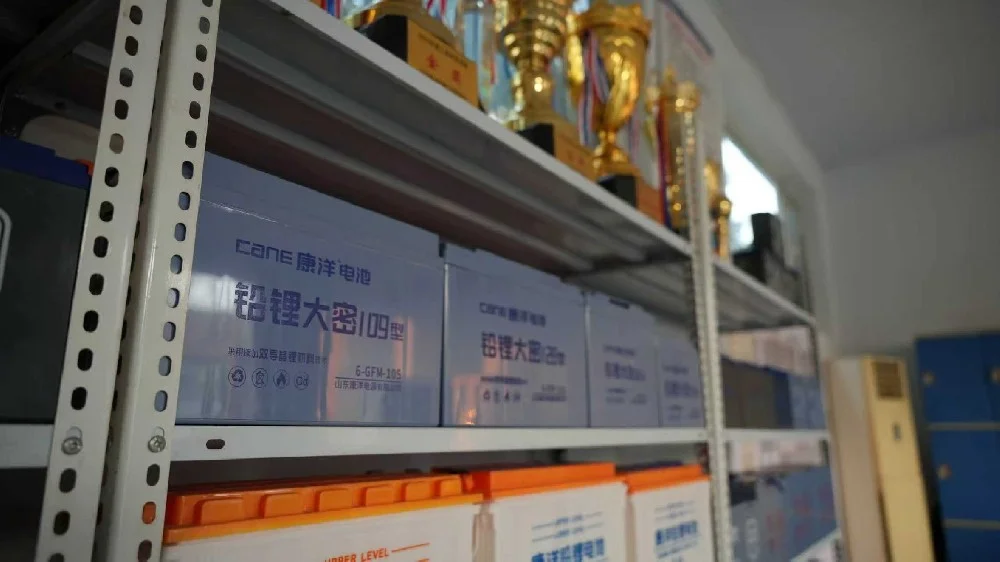
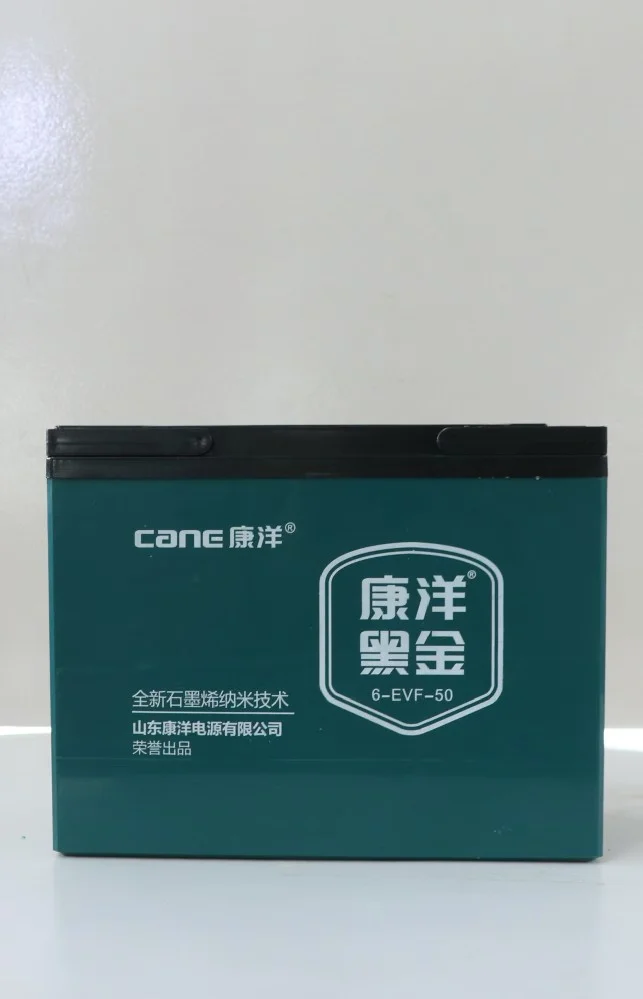
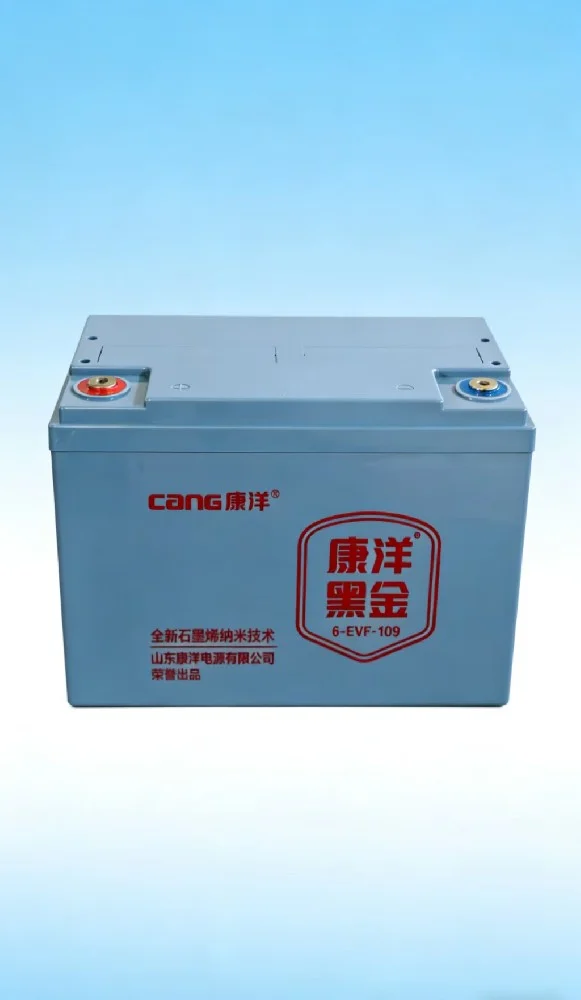
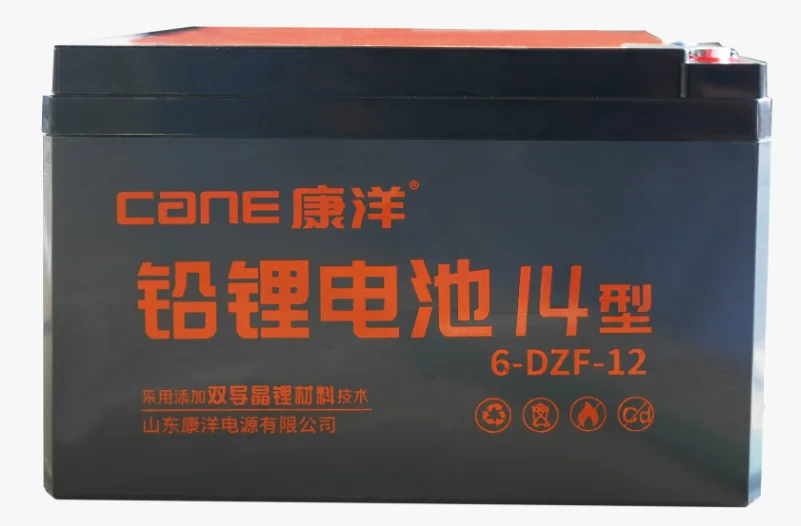
You may know us for our reliable, durable lead-acid batteries with excellent after-sales support. Now, to help you avoid frequent battery replacements and get better value, we are proud to introduce Cane Energy lead-lithium batteries.
Cane Energy – from classic lead-acid batteries to the new generation of lead-lithium batteries – always delivers solid quality to ensure every ride is worry-free.