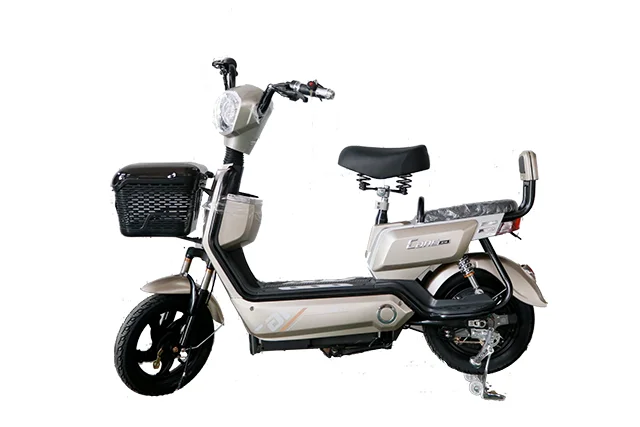
Many electric bike owners face a common issue: a new battery offers ample range, but after some time, range drops noticeably and charging becomes more frequent. In reality, battery degradation is not always a quality problem—daily charging habits play a key role. Cane Energy, with years of expertise in the e-bike battery field, explains 5 common charging mistakes and shares scientific charging methods to help extend battery life.
Mistake 1: Overnight Charging—Overcharging Damages Battery Life
Many people plug in before bed and unplug in the morning, assuming the charger automatically cuts off when the light turns green. In fact, after the light turns green, the charger enters a float charging mode, supplying a small current continuously. Over time, this raises the internal electrolyte temperature, reduces water content, and may cause capacity loss, bulging, or leakage.
Correct Practice: Unplug 30–60 minutes after the green light appears; total charging time should not exceed 8 hours. Consider using a smart charger with a timed shutoff feature.
Mistake 2: Charging Immediately After Riding—High or Low Temperatures Harm the Plates
After riding in summer, the battery is hot; in winter, it is cold. Charging immediately under these conditions can affect the battery. High temperatures accelerate electrolyte decomposition, while low temperatures reduce charging acceptance, both detrimental to long-term battery health.
Correct Practice: Let the battery rest for 15–30 minutes in summer, or bring it indoors to warm up in winter, until it nears room temperature before charging.
Mistake 3: Long-Term Storage at Low Charge—Sulfation Can Occur
If an e-bike is parked for a long time without charging, the battery remains at a low charge level, making the plates prone to sulfation. This can cause capacity loss and even affect normal use.
Correct Practice: For storage over 7 days, charge the battery to 50%–60% capacity first, then recharge every 15 days to maintain a proper charge level.
Mistake 4: Using Non-Original Chargers—Voltage/Current Mismatch Harms the Battery
Using generic or non-original chargers for convenience can lead to voltage and current mismatches, resulting in low charging efficiency or even overvoltage/overcurrent conditions, compromising safety and battery life.
Correct Practice: Always use the original charger or one with matching specifications. Do not mix or modify chargers.
Mistake 5: Charging in Extreme Environments—Environmental Factors Accelerate Aging
Charging outdoors under direct summer sun, in winter cold, or in damp or flooded areas can accelerate battery aging. High heat can cause abnormal temperature rise, while moisture can oxidize connectors and cause poor contact.
Correct Practice: Charge in a cool, ventilated, dry place. In rain, wipe the charging port dry first; after wading, ensure safety before charging.
Cane Energy: Good Habits + Good Batteries = Longer Range
Battery durability depends half on scientific use and half on product quality. Cane Energy is always committed to technological innovation, continuously improving performance through nano-coatings, graphene-modified materials, and high-energy lead-lithium battery technology.
Our products have undergone laboratory testing, showing excellent cycle life, significantly improved charging speed and service life, providing users with a more stable and reliable riding experience.
Develop proper charging habits and pair them with Cane Energy’s high-quality batteries to keep your e-bike’s range stable, extend its lifespan, and enjoy worry-free travel!
Leave a Reply