Tag: Battery Maintenance

  • Why Your Electric Bike Runs Less in Winter: Not a Broken Battery

    Why Your Electric Bike Runs Less in Winter: Not a Broken Battery

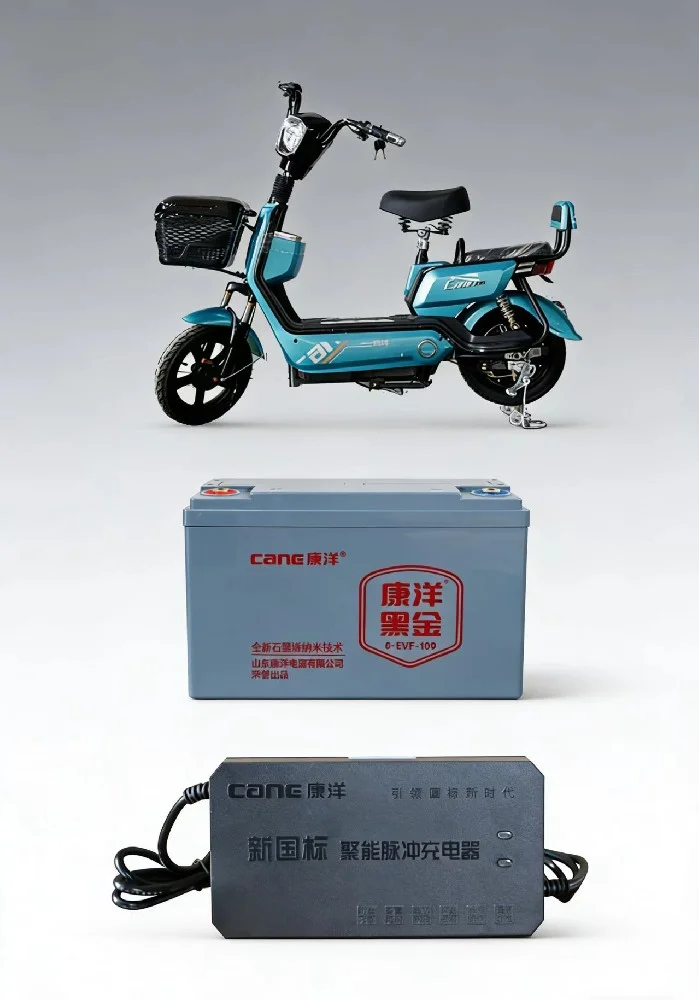
    Many electric bike riders notice that in winter, the same bike and the same route that could go far in summer now drains power quickly, sometimes running out halfway. Many people’s first reaction is ‘the battery is broken’ and they rush to buy a new one, but in most cases, the battery is not damaged. In fact, the reduced range of electric bikes in winter is mainly caused by a combination of factors including battery characteristics, ambient temperature, and usage habits. As a professional lead-acid battery manufacturer, we will explain the real reasons why electric bike range decreases in winter and how to easily solve it.

    I. Battery Characteristics: Chemical ‘Hibernation’ in Low Temperatures

    The performance of the lead-acid batteries we commonly use is closely related to temperature and is very sensitive to it. This is the core reason for poor range in winter.

    • At around 25°C, the battery has the best activity and can fully deliver its capacity.
    • When the temperature drops to 0°C–10°C, the internal chemical reaction slows down, and the actual usable capacity decreases significantly.
    • The lower the temperature, the more pronounced this ‘shrinkage’ becomes.

    Simply put: the battery is not broken; it just ‘cannot perform’ in the cold. It is not a quality issue.

    II. Ambient Temperature: The ‘Invisible Killer’ of Range

    In addition to the battery’s own characteristics, ambient temperature also significantly affects the range of electric bikes. In winter, roads may have snow or ice, requiring more power to overcome the resistance of slippery surfaces. At the same time, current discharges faster in low temperatures, leading to more noticeable power consumption. Moreover, when riding, we frequently brake and accelerate for safety, which increases energy consumption.

    III. These Habits Make Range Even Worse

    • Charging directly outdoors in low temperatures. Charging an electric bike outside in winter slows down charging and may not fully charge the battery, resulting in shorter range.
    • Not riding for a long time and not recharging. Batteries self-discharge when idle, and low temperatures can damage a depleted battery more easily.

    IV. Simple Tips to Get a Few More Kilometers in Winter

    • Charge in a well-ventilated, separate shed or garage, avoiding cold environments like snow or ice.
    • After the charger indicates full, let it charge for an additional 1–2 hours before unplugging (lead-acid batteries benefit from a full charge).
    • When riding, accelerate slowly, brake less abruptly, and carry less weight.
    • If not riding for a long time, recharge every 7–10 days.
    • Avoid exposing the battery to wind, snow, or freezing conditions for extended periods.

    V. When Is the Battery Really Broken?

    If you have followed the above tips but still encounter the following situations, then consider replacing the battery:

    • The charger indicator turns green very quickly, but the battery drains as soon as you ride.
    • The battery is visibly swollen, hot, or leaking.
    • The battery has been used for more than 2–3 years and has severely degraded.

    Finally, remember that reduced range in winter is a normal characteristic of lead-acid batteries. There is no need to replace the battery as soon as it gets cold. Proper charging and daily maintenance can both improve range and extend battery life.

    Cane Energy focuses on the R&D and production of lead-acid batteries, providing durable, reliable, and high-quality batteries suitable for electric bikes. We will continue to share practical battery maintenance and usage tips to help you spend less and use with more confidence.

  • Lead-Acid Battery Electric Vehicle Care Guide

    Lead-Acid Battery Electric Vehicle Care Guide

    Lead-Acid Battery Electric Vehicle Care Guide

    As a mature chemical power source, lead-acid batteries offer high reliability, low cost, high-rate discharge capability, wide temperature adaptability, and recyclability. This makes them the mainstream power source for electric bicycles and the ideal choice for short-distance urban commuting, shared mobility, and logistics delivery. So, how can you properly maintain lead-acid batteries to extend their lifespan?

    Charging: The Core of Maintenance

    Always use the original charger to ensure the charging voltage matches the battery’s rated voltage (e.g., a 48V battery requires a 48V charger). Charge in a well-ventilated, dry area away from rain and flammable materials. Charging time is typically 6–8 hours; disconnect the charger promptly once fully charged to avoid overcharging.

    Avoid Deep Discharge

    Recharge the battery when its charge drops below 30%. Prolonged deep discharge (below 10%) can cause plate sulfation and shorten battery life. Avoid rapid acceleration and frequent braking during riding, as these high-current discharges increase battery stress.

    Temperature Management

    The optimal operating temperature is around 25°C. In summer, avoid direct sunlight, as high heat accelerates electrolyte evaporation and reduces capacity. In winter, keep the battery warm, as low temperatures increase internal resistance and reduce discharge performance. If the vehicle will be unused for an extended period, store it in a cool, dry place away from temperature fluctuations.

    Regular Cleaning and Inspection

    Periodically clean dust and corrosion from the battery surface with a damp cloth; avoid organic solvents. Check the terminals for looseness or oxidation. If oxidation is present, sand the terminals with sandpaper and apply petroleum jelly to prevent re-oxidation. Ensure connections are tight to avoid power loss from poor contact.

    Equalization Charging

    Perform equalization charging every three months: charge at a low current (about 0.1C, where C is battery capacity) for 12–24 hours to balance cell voltages and restore capacity. This helps prevent weak cells and extends overall battery life.

    Safety Precautions

    Lead-acid batteries contain corrosive electrolyte. Wear gloves and safety goggles during maintenance to avoid skin and eye contact. Dispose of used batteries through professional recycling channels; do not discard them casually.

    Long-Term Storage

    Before storing for more than one month, fully charge the battery, disconnect the cables, clean the surface, and apply anti-rust oil. Store in a dry, ventilated environment at 0–25°C, away from direct sunlight and moisture. Recharge every 1–2 months to maintain a charge level between 50% and 80%. Long-term storage in a depleted state can cause irreversible plate sulfation. Use the original charger and avoid overcharging.

    Reviving a Depleted Battery

    If the battery has been deeply discharged during storage, try activating it with a low current: first charge at 0.05C for 12 hours, then at 0.1C until full. If multiple attempts fail, the battery may need replacement.

    Lead-acid batteries may lack flashy tech labels, but their reliable performance supports our daily lives in countless ways. Understanding how to use and maintain them helps us get the most out of these classic batteries. We hope this guide helps you appreciate this time-tested technology and the convenience it brings.