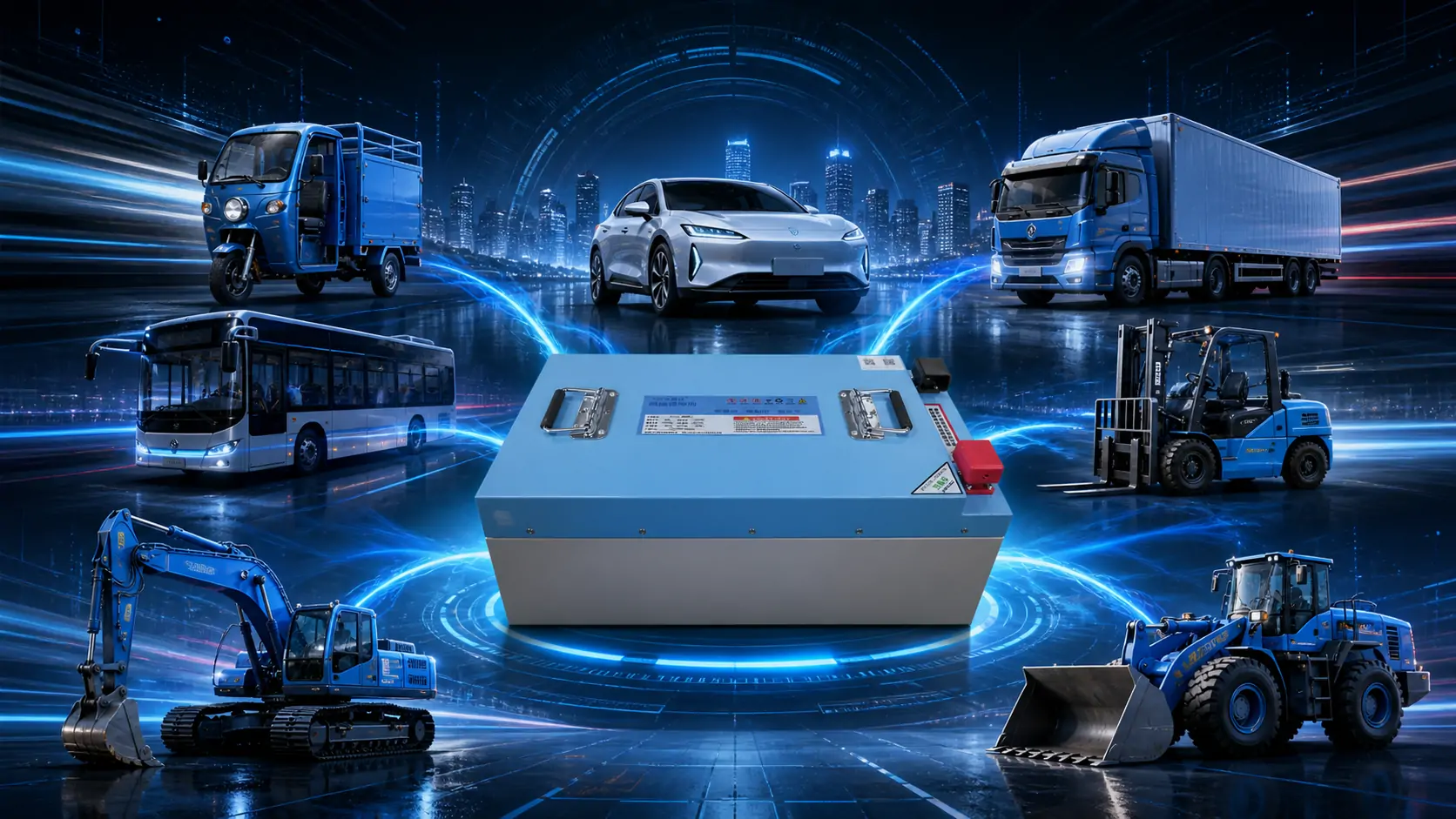
When upgrading or designing a golf cart battery system, the 48V LiFePO4 battery pack has become a preferred choice over traditional lead-acid batteries. Its higher energy density, longer cycle life, and stable chemistry make it ideal for traction applications. This guide covers the essential design parameters, safety features, and sourcing considerations for buyers and OEM partners.
Why Choose a 48V LiFePO4 Battery Pack for Golf Carts?
Golf carts require a reliable power source that can handle frequent stop-and-go driving, varying loads, and deep discharges. A 48V lithium battery pack offers several advantages:
- Higher usable capacity: LiFePO4 batteries can be discharged deeper than lead-acid without damage, providing more usable energy per cycle.
- Longer lifespan: Typical cycle life exceeds 2,000 cycles at 80% depth of discharge, reducing replacement frequency.
- Lighter weight: A 48V LiFePO4 pack weighs about one-third of an equivalent lead-acid battery, improving cart handling and efficiency.
- Stable voltage output: Consistent power delivery throughout the discharge cycle enhances motor performance.
Key Design Specifications for a 48V Traction Pack
When evaluating a 48V LiFePO4 battery pack for golf carts, consider these technical parameters:
- Nominal voltage: 48V (typically 51.2V for 16 cells in series).
- Capacity range: Common capacities are 100Ah to 200Ah, depending on range requirements. A 100Ah pack provides roughly 5.12 kWh of energy.
- Continuous discharge current: Look for 100A to 200A continuous rating to support hill climbing and acceleration.
- Peak discharge current: Short bursts of 300A or more may be needed for steep inclines.
- Charge voltage: Typically 58.4V for a 16S LiFePO4 configuration.
- Operating temperature range: -20°C to 60°C for discharge, 0°C to 45°C for charging.
BMS and Safety Features
A robust Battery Management System (BMS) is critical for a 48V lithium battery pack. The BMS protects against overcharge, over-discharge, overcurrent, short circuit, and cell imbalance. For golf cart applications, ensure the BMS supports:
- Cell balancing: Passive or active balancing to maintain cell voltage uniformity.
- Low-temperature charge protection: Prevents charging below 0°C to avoid lithium plating.
- CAN bus or RS485 communication: Allows integration with the cart’s controller for real-time monitoring.
- IP rating: Minimum IP65 for dust and water resistance in outdoor use.
Charger Compatibility and Matching
Using the correct charger is essential for safety and battery life. A 48V LiFePO4 battery pack requires a charger with a constant current/constant voltage (CC/CV) profile and a cutoff voltage of 58.4V. Avoid using chargers designed for lead-acid batteries, as their higher float voltage can damage LiFePO4 cells. When sourcing, confirm the charger’s current rating matches the pack’s recommended charge rate (typically 0.2C to 0.5C).
Procurement Checklist for OEM and Wholesale Buyers
When sourcing 48V LiFePO4 battery packs for golf carts, verify the following with your supplier:
- Cell grade: Confirm whether cells are Grade A from reputable manufacturers.
- Certification: Request documentation for UN38.3, IEC 62133, or UL 1973 (if applicable).
- Warranty terms: Understand the warranty period and conditions for cycle life and capacity retention.
- Customization options: Ask about custom connectors, mounting brackets, and communication protocols.
- Sample testing: Always test samples under real-world golf cart conditions before bulk orders.
Price Factors for 48V LiFePO4 Battery Packs
Pricing for a 48V lithium battery pack depends on several variables:
- Capacity: Higher Ah ratings increase cost proportionally.
- Cell quality: Grade A cells command a premium over lower-grade alternatives.
- BMS complexity: Advanced BMS with communication features adds cost.
- Enclosure and connectors: Custom enclosures and heavy-duty connectors affect the final price.
- Order volume: Bulk orders typically receive volume discounts.
For accurate pricing, request a quotation based on your specific capacity, BMS requirements, and order quantity.
Frequently Asked Questions
Can I replace my lead-acid golf cart battery with a 48V LiFePO4 pack?
Yes, in most cases. Ensure the physical dimensions fit the battery tray and that the cart’s charger is replaced with a LiFePO4-compatible model. The voltage range of a 48V LiFePO4 pack (typically 44V to 58.4V) is compatible with most 48V golf cart motors and controllers.
How long does a 48V LiFePO4 battery pack last in a golf cart?
With proper care, a 48V LiFePO4 battery pack can last 5 to 10 years or more, depending on usage patterns and depth of discharge. Cycle life is typically rated at 2,000 to 5,000 cycles at 80% DoD.
What is the weight difference between LiFePO4 and lead-acid for a 48V golf cart battery?
A 48V LiFePO4 pack weighs approximately 30-40 kg, while an equivalent lead-acid battery set can weigh 100-150 kg. This weight reduction improves acceleration, handling, and reduces wear on tires and suspension.
Do I need a special charger for a 48V LiFePO4 battery pack?
Yes. LiFePO4 batteries require a charger with a CC/CV profile and a cutoff voltage of 58.4V. Using a lead-acid charger can overcharge the cells and cause damage or safety risks. Always use a charger specifically designed for LiFePO4 chemistry.
Leave a Reply