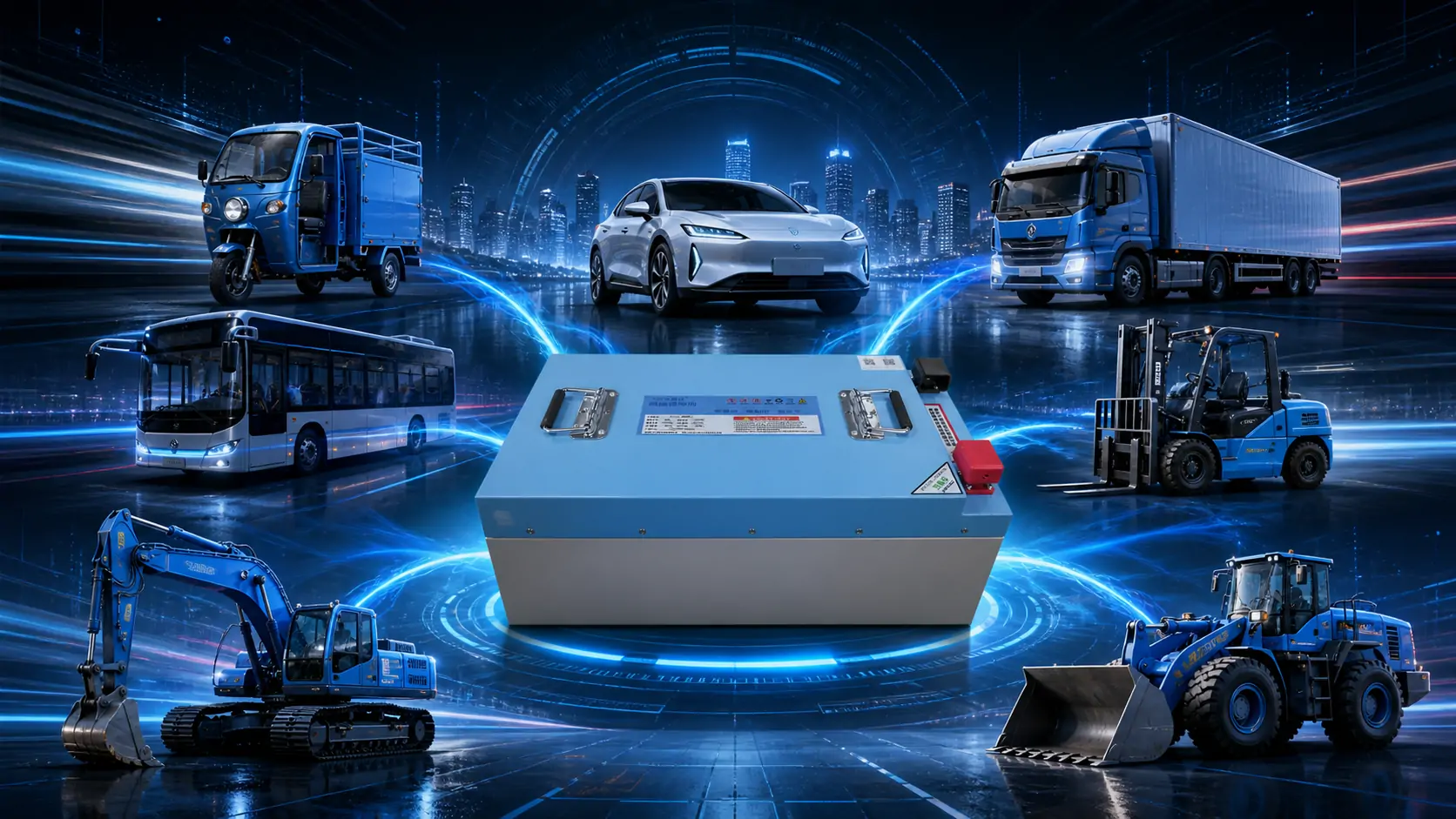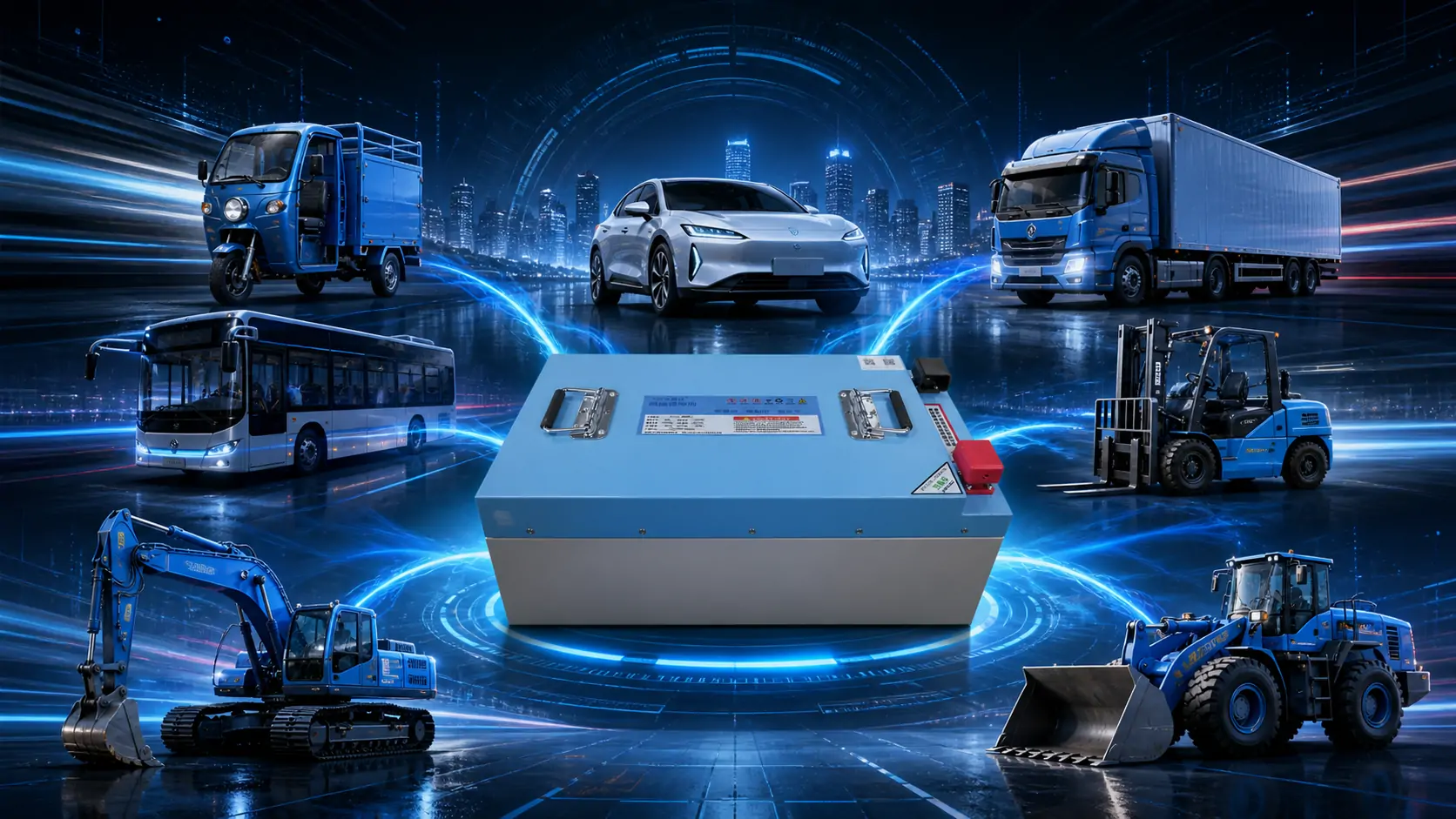
When evaluating a LiFePO4 battery price, it is essential to look beyond the upfront cost. The total value of a lithium phosphate battery system depends on several technical and supply-chain factors. This guide explains the main components that influence lfp battery price and helps buyers make informed procurement decisions.
Cell Grade and Chemistry Consistency
The cells are the core of any battery pack. LiFePO4 battery price varies significantly with cell grade. Grade A cells from established manufacturers offer consistent capacity, low internal resistance, and stable cycle life. Lower-grade cells may reduce initial cost but can lead to imbalance, shorter lifespan, and safety risks. For critical applications, always request cell specifications and test reports.
BMS (Battery Management System) Complexity
A high-quality BMS protects the battery from overcharge, over-discharge, short circuit, and temperature extremes. The lithium phosphate battery price increases with BMS features such as active balancing, CAN/RS485 communication, and low-temperature cutoff. For large packs or series connections, a smart BMS is not optional—it is a safety requirement.
Pack Design and Mechanical Integration
How cells are assembled into a pack affects both cost and performance. Factors include:
- Cell arrangement (series/parallel configuration)
- Busbar material and welding quality
- Enclosure material (plastic, metal, or IP-rated)
- Thermal management (passive or active cooling)
Custom pack designs for OEM/ODM projects add engineering and tooling costs but deliver better fit and reliability.
Charger and Compatibility
A dedicated LiFePO4 charger with the correct voltage and CC/CV profile is critical for battery health. Using a lead-acid charger can damage cells and void warranty. When comparing battery pack cost, include the charger and any communication accessories needed for your system.
Logistics and Compliance
Shipping lithium batteries requires UN38.3 certification and proper packaging. International freight, customs duties, and regional compliance (e.g., CE, UL, RoHS) add to the total landed cost. Buyers should verify that the supplier handles all documentation and uses certified carriers.
Procurement Checklist for Buyers
To ensure you get fair lifepo4 battery price for the quality, consider these points:
- Request cell datasheets and BMS specifications
- Ask about cycle life testing and real-world performance data
- Confirm warranty terms and return policy
- Compare quotes from multiple suppliers with identical specs
- Factor in shipping, taxes, and potential tariffs
Frequently Asked Questions
What is the typical price range for LiFePO4 batteries?
LiFePO4 battery price depends on capacity, cell grade, BMS features, and order volume. Small consumer packs cost more per kWh than large commercial systems. For accurate pricing, request a quote with your specific voltage and capacity requirements.
Why are LiFePO4 batteries more expensive than lead-acid?
LiFePO4 batteries have higher upfront cost due to advanced materials, precision manufacturing, and integrated BMS. However, they offer longer cycle life, higher energy density, and lower total cost of ownership over time.
How does BMS affect battery pack cost?
A basic BMS adds modest cost, while a smart BMS with active balancing, Bluetooth monitoring, and communication protocols can increase the pack price by 10–20%. The investment is justified for applications requiring reliability and remote diagnostics.
Can I use a lead-acid charger for LiFePO4 batteries?
No. Lead-acid chargers have different voltage profiles and may overcharge or undercharge LiFePO4 cells. Always use a charger specifically designed for lithium iron phosphate chemistry to ensure safety and battery life.