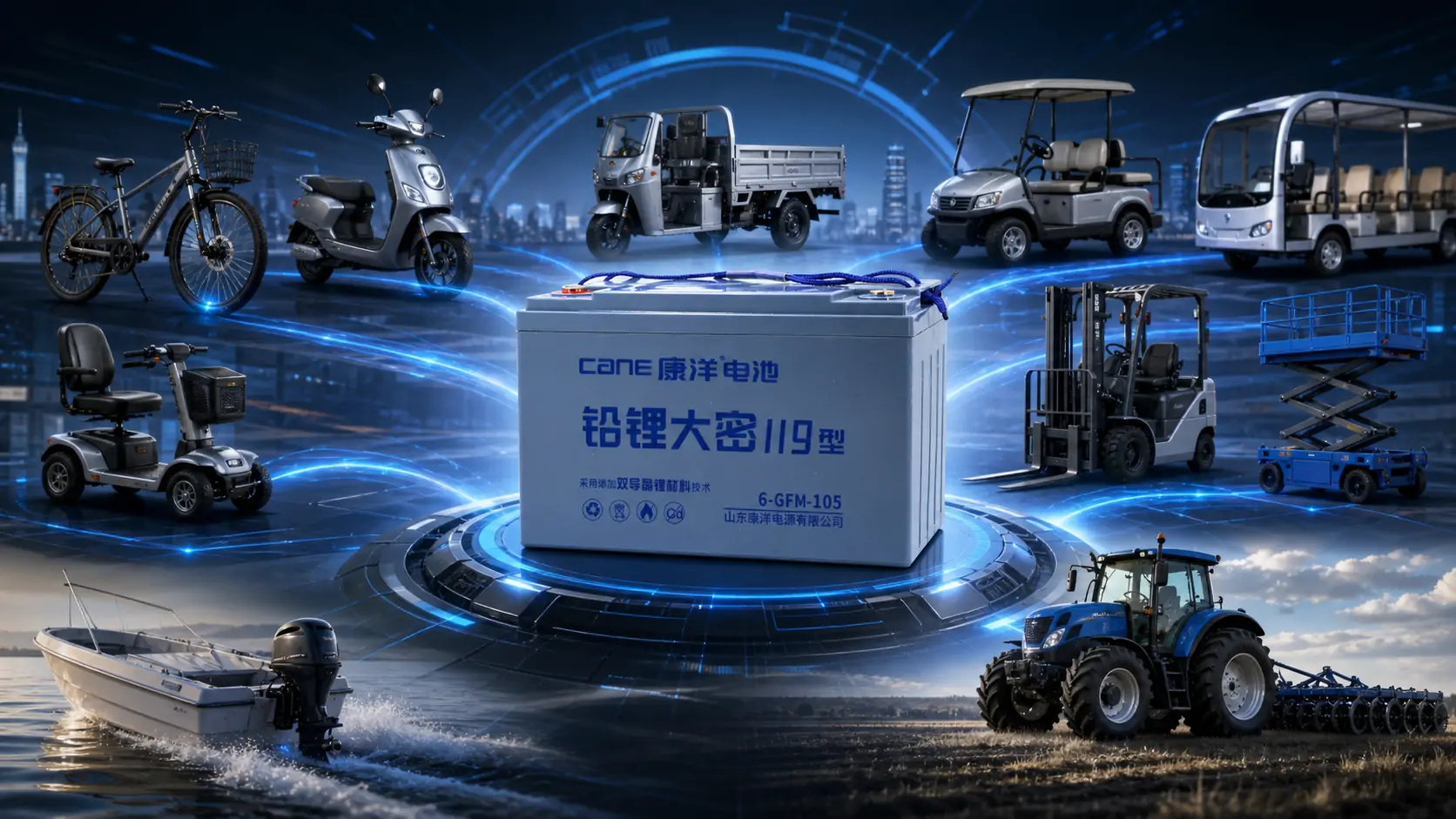
Lead Acid Battery Price Factors for Wholesale Buyers is written for battery importers, distributors, fleet operators, and OEM buyers who need a practical way to compare specifications before asking for a quotation.
Lead-acid batteries remain useful where buyers value a mature supply chain, service familiarity, and controlled upfront cost. Cane Energy focuses on lead-acid batteries, LiFePO4 traction batteries, lithium energy storage systems, chargers, and controllers, so this guide keeps the discussion close to real sourcing and application decisions.
Quick Answer
For most projects, the best answer is not the cheapest battery on a list. A reliable lead acid battery price decision starts with load profile, voltage platform, expected daily depth of discharge, charger compatibility, thermal environment, installation space, and after-sales support.
- Application fit: Commonly used when buyers need a familiar battery platform for mobility, backup power, or deep-cycle duty with predictable service practices.
- Electrical match: Confirm nominal voltage, usable capacity, peak current, charger profile, and connector layout before production.
- Safety design: Check venting or BMS protection, fuse strategy, cable sizing, enclosure strength, and clear operating limits.
- Total cost: Compare service life, replacement frequency, freight, warranty handling, and downtime, not only unit price.
Key Specifications to Compare
When evaluating lead acid battery price, build a simple specification sheet before comparing suppliers. Include nominal voltage, rated capacity, recommended charge voltage, maximum discharge current, operating temperature, cycle-life conditions, dimensions, weight, terminal type, and target application.
This guide does not quote a live price. Battery prices change with cell grade, lead or lithium material costs, BMS design, order quantity, logistics, duties, warranty scope, and required documentation. If two quotations look far apart, check whether they use the same cells or plates, the same BMS or safety components, the same casing, the same test standard, and the same delivery terms.
Common Buying Mistakes
- Comparing rated capacity only: Capacity labels do not show how the pack performs under high current, heat, vibration, or partial-state-of-charge operation.
- Ignoring charger compatibility: An incorrect charge profile can shorten battery life or trigger BMS protection, especially in lithium and LiFePO4 systems.
- Overlooking installation space: Cable routing, ventilation, service access, and mounting strength affect safety and maintenance.
- Skipping documentation: Importers should request datasheets, packing information, test reports where applicable, and clear warranty handling terms.
How Cane Energy Supports OEM and Wholesale Projects
Cane Energy can help buyers translate application requirements into battery specifications, compare lead-acid and lithium options, and prepare product information for distributor or OEM discussions. For customized projects, the key inputs are target vehicle or system model, voltage platform, space envelope, expected daily mileage or backup time, charger type, target market, and order plan.
For professional procurement, ask suppliers to confirm both performance data and production controls. A strong sourcing process should include sample validation, charging tests, packaging review, labeling requirements, and a clear plan for after-sales communication.
FAQ
What is the first specification to confirm for lead acid battery price?
Start with the voltage platform and real load profile. Capacity only becomes meaningful after the system voltage, current demand, discharge depth, and charging method are clear.
Should buyers choose lead-acid, lithium-ion, or LiFePO4?
Lead-acid can be cost-effective and familiar for many mobility and backup applications. Lithium-ion and LiFePO4 can reduce weight and improve usable energy, but they require the right BMS, charger, and protection design.
Can Cane Energy provide an exact online price?
For B2B battery projects, an exact price depends on specification, quantity, packaging, shipping terms, certification or documentation needs, and customization. A reliable quotation should be based on a confirmed technical requirement.
What information should I send before requesting a quotation?
Send the target application, voltage, capacity or runtime target, size limits, operating environment, charger information, destination market, estimated quantity, and any labeling or documentation requirements.
Leave a Reply