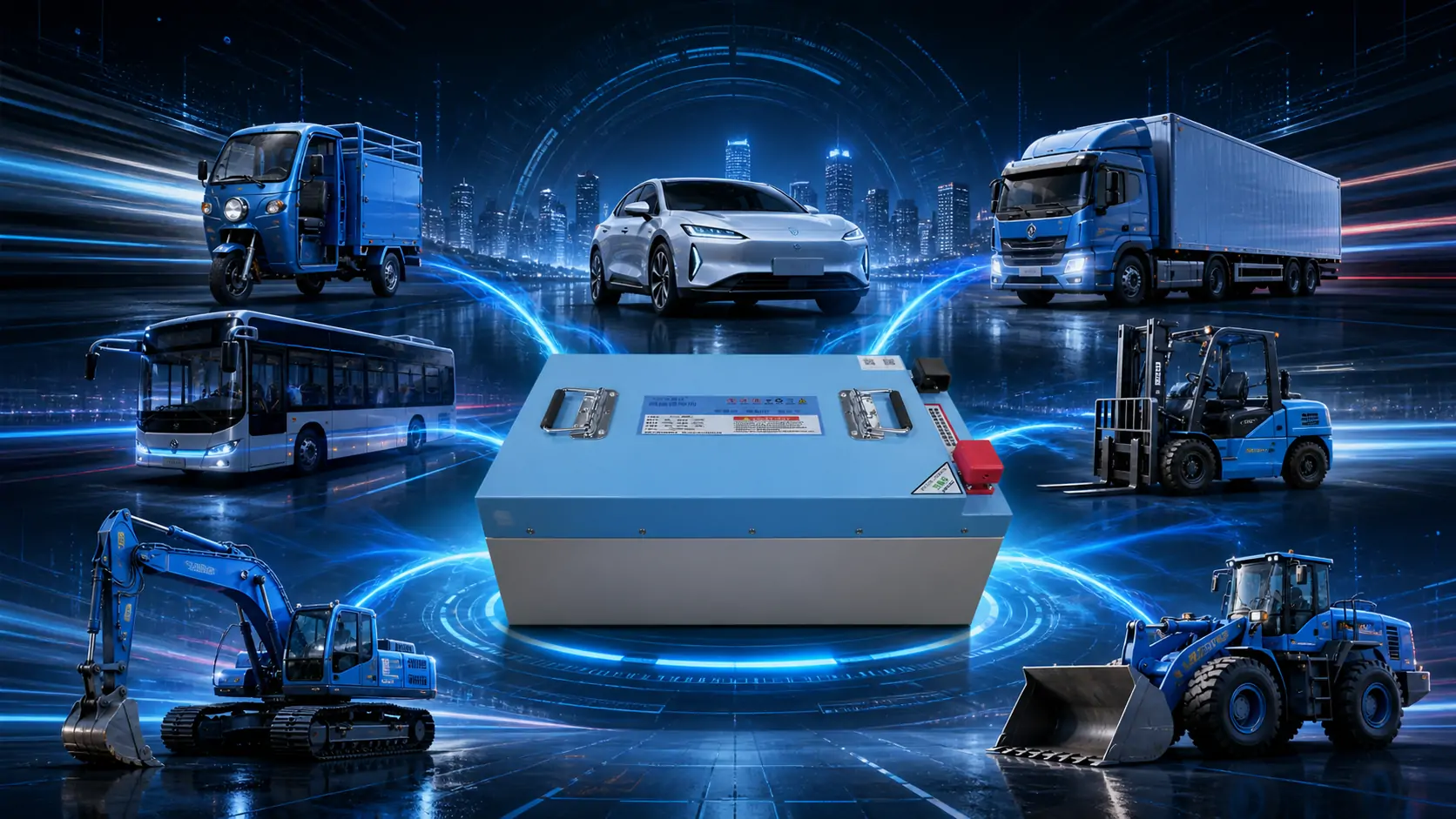
LiFePO4 (lithium iron phosphate) batteries have become a preferred energy storage solution across many industries. The 100Ah capacity is one of the most versatile sizes, balancing energy density, weight, and cost. This guide covers practical applications, sizing considerations, safety checks, and procurement tips for buyers, distributors, and OEM/ODM partners.
Understanding 100Ah LiFePO4 Battery Capacity
A 100Ah LiFePO4 battery stores 100 ampere-hours of electrical charge. At a nominal voltage of 12.8V, this equals approximately 1.28 kWh of usable energy. Unlike lead-acid batteries, LiFePO4 cells can be discharged deeper—typically up to 80-100% depth of discharge (DoD)—without damaging the battery. This makes the effective usable capacity much higher than a comparable lead-acid battery of the same Ah rating.
Common Applications for 100Ah LiFePO4 Batteries
- Solar energy storage: Ideal for off-grid and hybrid solar systems, storing daytime generation for evening use.
- Recreational vehicles (RVs) and marine: Powers appliances, lighting, and electronics in mobile environments.
- Backup power (UPS): Provides reliable emergency power for home or small office equipment.
- Electric mobility: Used in golf carts, electric scooters, and small utility vehicles.
- Telecommunications: Supports remote base stations and network equipment.
Sizing a 100Ah LiFePO4 Battery for Your Project
Proper sizing ensures the battery meets your energy demands without over-specifying or under-sizing. Follow these steps:
- Calculate daily energy consumption: List all loads, their wattage, and hours of use. Sum to get total watt-hours per day.
- Account for depth of discharge: For LiFePO4, you can use 80-100% of rated capacity. Divide your daily consumption by the usable capacity (e.g., 1.28 kWh for a 12.8V 100Ah battery).
- Consider peak loads: Ensure the battery’s maximum discharge current (often 100A or more) can handle simultaneous high-power devices.
- Plan for autonomy: If you need backup for multiple days, multiply daily consumption by the number of days without charging.
Safety and Quality Checks When Sourcing
When procuring 100Ah LiFePO4 batteries for OEM or wholesale projects, verify these specifications:
- Cell grade: Grade A cells from reputable manufacturers offer consistent performance and longer cycle life.
- Battery Management System (BMS): A quality BMS protects against overcharge, over-discharge, short circuit, and temperature extremes.
- Cycle life rating: Look for 3000-5000 cycles at 80% DoD as a baseline for long-term value.
- Operating temperature range: Ensure the battery can function in your expected environment, typically -20°C to 60°C.
- Certifications: While we do not list specific certifications here, ask suppliers for compliance with relevant safety standards.
Charger Matching and Maintenance
LiFePO4 batteries require a compatible charger with a constant current/constant voltage (CC/CV) profile. The recommended charging voltage for a 12.8V battery is typically 14.2V to 14.6V. Avoid using chargers designed for lead-acid or other lithium chemistries without verifying the profile. LiFePO4 batteries require minimal maintenance—no watering or equalization—but periodic capacity checks help monitor health.
Price Factors and Procurement Considerations
The price of a 100Ah LiFePO4 battery depends on several factors:
- Cell quality and brand: Grade A cells command a premium over lower grades.
- BMS complexity: Advanced BMS with Bluetooth monitoring or low-temperature cutoff adds cost.
- Enclosure and terminals: Ruggedized cases and high-quality terminals increase durability and price.
- Order volume: Bulk purchases typically receive better per-unit pricing.
- Shipping and logistics: Lithium batteries require special handling and may incur additional freight charges.
When comparing quotes, request detailed specification sheets and ask about warranty terms, lead times, and after-sales support.
Frequently Asked Questions
How long will a 100Ah LiFePO4 battery power a 500W load?
At 12.8V, a 100Ah battery provides 1.28 kWh. A 500W load draws about 39A. With 80% DoD, usable energy is about 1.02 kWh, giving roughly 2 hours of runtime. Actual runtime depends on inverter efficiency and load profile.
Can I connect multiple 100Ah LiFePO4 batteries in series or parallel?
Yes, but you must use batteries of the same voltage, capacity, and state of charge. For series connections, ensure the BMS supports the higher voltage. For parallel connections, use a busbar and follow the manufacturer’s guidelines to balance current sharing.
What is the difference between a 100Ah LiFePO4 and a 100Ah lead-acid battery?
LiFePO4 batteries are lighter (about 60-70% less weight), have longer cycle life (3000+ vs 500 cycles), and can be discharged deeper without damage. They also maintain higher voltage under load and charge faster. The initial cost is higher, but total cost of ownership is often lower over time.
How do I store a 100Ah LiFePO4 battery long-term?
Store at 50-80% state of charge in a cool, dry place between 10°C and 25°C. Avoid full charge or full discharge for extended storage. Check voltage every 3-6 months and recharge if it drops below 12.8V.
Leave a Reply