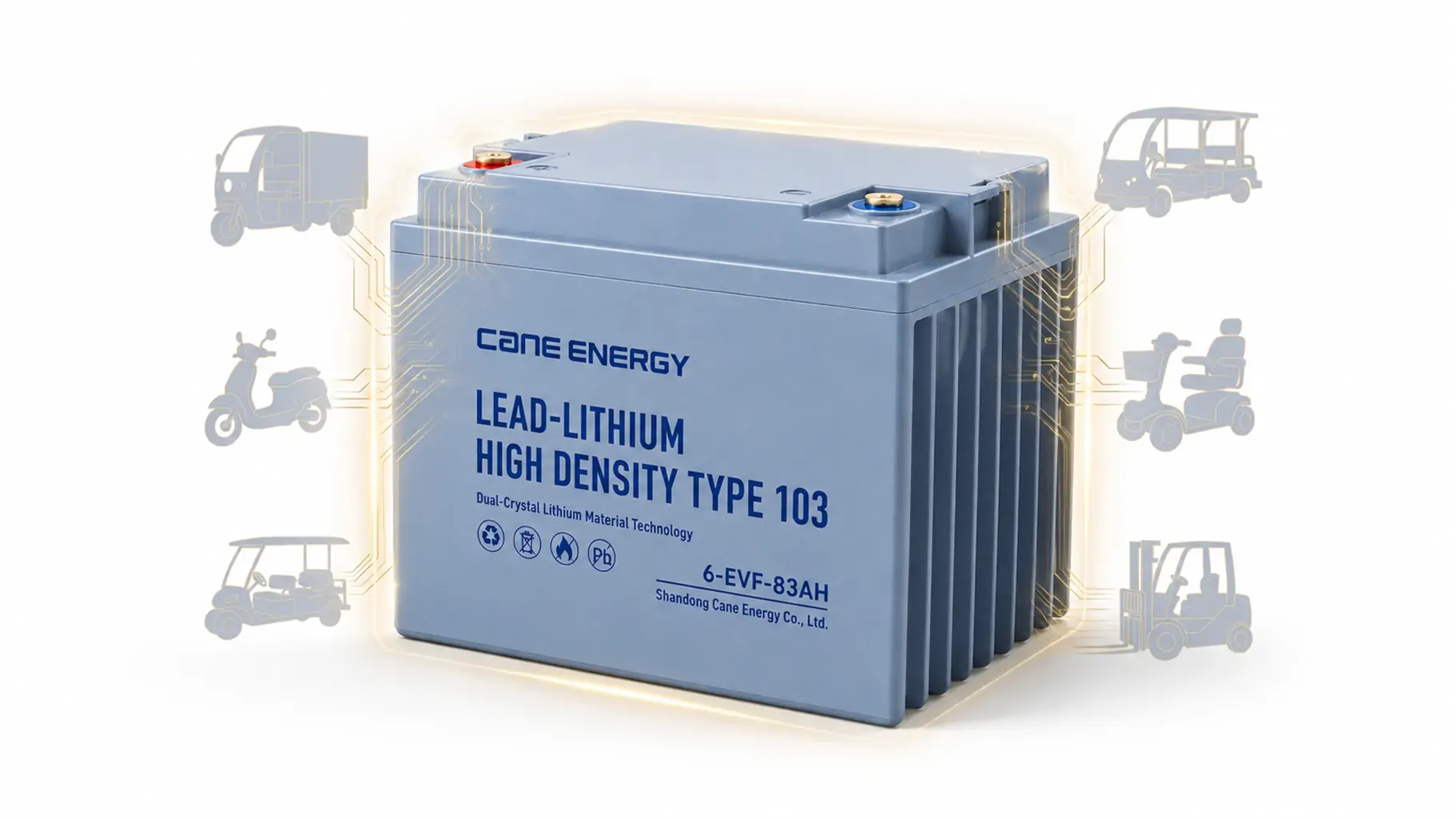
Valve Regulated Lead Acid (VRLA) batteries, also known as sealed lead acid batteries, are widely used in uninterruptible power supplies, telecommunications, security systems, and renewable energy storage. Unlike flooded lead-acid batteries, VRLA batteries are sealed, require no water addition, and can be installed in various orientations. However, proper maintenance and safety practices are essential to maximize service life and prevent hazards. This guide provides practical specifications, safety checks, charger matching advice, and sourcing guidance for OEM and wholesale battery projects.
Understanding VRLA Battery Construction
VRLA batteries use a recombinant technology where oxygen generated at the positive plate is absorbed by the negative plate, preventing water loss. They are available in two main types: Absorbent Glass Mat (AGM) and Gel. AGM batteries use a fiberglass mat to hold electrolyte, offering high discharge rates and low internal resistance. Gel batteries use a silica-thickened electrolyte, providing excellent deep-cycle performance and vibration resistance. Both types are maintenance-free under normal operating conditions, but they still require periodic inspection and proper handling.
Key Maintenance Practices for VRLA Batteries
1. Temperature Management
Temperature significantly affects VRLA battery performance and lifespan. The ideal operating temperature range is 20°C to 25°C (68°F to 77°F). For every 8°C (15°F) above 25°C, battery life can be reduced by half. Avoid exposing batteries to direct sunlight, heat sources, or freezing conditions. In high-temperature environments, consider using temperature-compensated charging to prevent overcharging.
2. Voltage Monitoring
Regular voltage checks help detect early signs of failure. For a 12V VRLA battery, the open-circuit voltage should be between 12.6V and 12.8V when fully charged. A voltage below 12.4V indicates partial discharge, while below 12.0V suggests deep discharge that may cause permanent damage. Use a calibrated digital multimeter and record readings monthly for stationary installations.
3. Cleaning and Inspection
Keep battery terminals and cases clean and dry. Dust, dirt, and moisture can create conductive paths leading to self-discharge or short circuits. Inspect terminals for corrosion; if present, clean with a mixture of baking soda and water (for lead terminals) and apply a thin layer of petroleum jelly. Check for cracks, bulges, or leaks. Any physical damage requires immediate replacement.
4. Storage Guidelines
When storing VRLA batteries for extended periods, keep them in a cool, dry place. Charge them to 100% before storage. For every 3 months of storage, recharge if the open-circuit voltage drops below 12.4V. Never store batteries in a discharged state, as sulfation can permanently reduce capacity.
Safety Precautions
Electrical Safety
VRLA batteries can deliver high short-circuit currents. Always use insulated tools and wear protective gloves and eyewear when handling batteries. Disconnect the negative terminal first when removing a battery, and connect the positive terminal first when installing. Ensure proper ventilation, even though VRLA batteries emit minimal gas; in confined spaces, hydrogen accumulation can still occur under fault conditions.
Charger Matching
Using the correct charger is critical. VRLA batteries require a constant voltage charging profile with a current limit. For a 12V VRLA battery, the recommended float voltage is 13.5V to 13.8V, and the equalization voltage is 14.4V to 14.8V (for AGM types). Gel batteries typically require lower voltages (13.2V to 13.5V float). Never use a charger designed for flooded batteries, as higher voltages can cause overcharging, gas venting, and dry-out.
Disposal and Recycling
VRLA batteries contain lead and sulfuric acid, which are hazardous. Never dispose of them in household waste. Follow local regulations for recycling. Many jurisdictions require return to authorized collection points or manufacturers. Proper recycling recovers lead, plastic, and acid, reducing environmental impact.
Procurement Checks for OEM and Wholesale Buyers
When sourcing VRLA batteries for OEM or wholesale projects, consider the following factors:
- Specification Range: VRLA batteries are available from 1.2Ah to over 200Ah in 12V configurations, and up to 1000Ah in 2V cells. Match capacity, voltage, and discharge rate to your application.
- Cycle Life: Typical VRLA batteries offer 200 to 500 cycles at 50% depth of discharge. Higher-quality models may achieve 800 cycles. Request cycle life data from suppliers.
- Self-Discharge Rate: VRLA batteries have a self-discharge rate of 2% to 5% per month at 25°C. Lower rates indicate better purity of materials.
- Terminal Type: Choose between fast-on, bolt, or threaded terminals based on your connection requirements.
- Certifications: While we do not list specific certifications, ensure your supplier provides documentation for safety and performance standards relevant to your market.
Frequently Asked Questions
What is the difference between AGM and Gel VRLA batteries?
AGM batteries use a fiberglass mat to absorb electrolyte, offering lower internal resistance and higher discharge currents, making them suitable for UPS and starting applications. Gel batteries use a silica-thickened electrolyte, providing better deep-cycle performance and vibration resistance, ideal for solar and mobility applications.
How often should I check the voltage of my VRLA battery?
For stationary installations, monthly voltage checks are recommended. For batteries in cyclic service (e.g., solar systems), check voltage after each charge cycle. If the battery is stored, check every three months and recharge if voltage drops below 12.4V.
Can I use a regular lead-acid charger for a VRLA battery?
No. VRLA batteries require a charger with a constant voltage profile and a current limit. Flooded battery chargers often have higher voltage setpoints that can overcharge VRLA batteries, causing gas venting, dry-out, and reduced lifespan. Always use a charger specifically designed for sealed lead-acid batteries.
What should I do if my VRLA battery case is bulging?
A bulging case indicates internal overpressure, often due to overcharging, high temperature, or internal short circuit. Immediately disconnect the battery from the charger and load. Place it in a well-ventilated area away from flammable materials. Do not attempt to use or recharge it. Dispose of it according to local regulations and replace it with a new battery.
Leave a Reply