Tag: Lead-Acid Batteries

  • Cane Energy: Redefining Industry Heights Through Practical Action

    Cane Energy: Redefining Industry Heights Through Practical Action

    Against the backdrop of the steady development of the new energy industry, the energy storage and power battery sector is entering a new phase of standardization and high-quality growth. From basic power support to commercial and industrial energy storage applications, product stability, service life, and safety performance have become key criteria for measuring a company’s core competitiveness. Since its inception, Cane Energy has remained rooted in the industrial foundation, driven by technological R&D and underpinned by quality control. It has steadily deepened its presence in the lead-acid and lithium battery fields, step by step, leveraging solid production and R&D capabilities to build a reliable brand image in the industry.

    Technology-Driven Innovation

    Over the years, Cane Energy has continuously increased investment in R&D resources, established a professional technical R&D team, and focused on core areas such as plate formula optimization, structural design upgrades, and cycle life improvement. Leveraging its publicly available intellectual property information, the company has consistently deployed patented technologies, accumulating independent technical expertise in battery structure, manufacturing processes, and safety protection, thereby achieving efficient integration of R&D outcomes and mass production.

    Quality-First Manufacturing

    In terms of manufacturing, Cane Energy strictly adheres to national industry standards for production. Its products have passed authoritative certifications such as the national compulsory 3C certification, and all marketed products have undergone formal filing and testing procedures. The production base is equipped with standardized automated production lines, establishing a full-process quality traceability system from raw material incoming inspection, plate production, assembly and formation, to finished product shipment. Each batch of products can be traced to its source and controlled throughout the process, ensuring product consistency and stability.

    Broad Market Applications

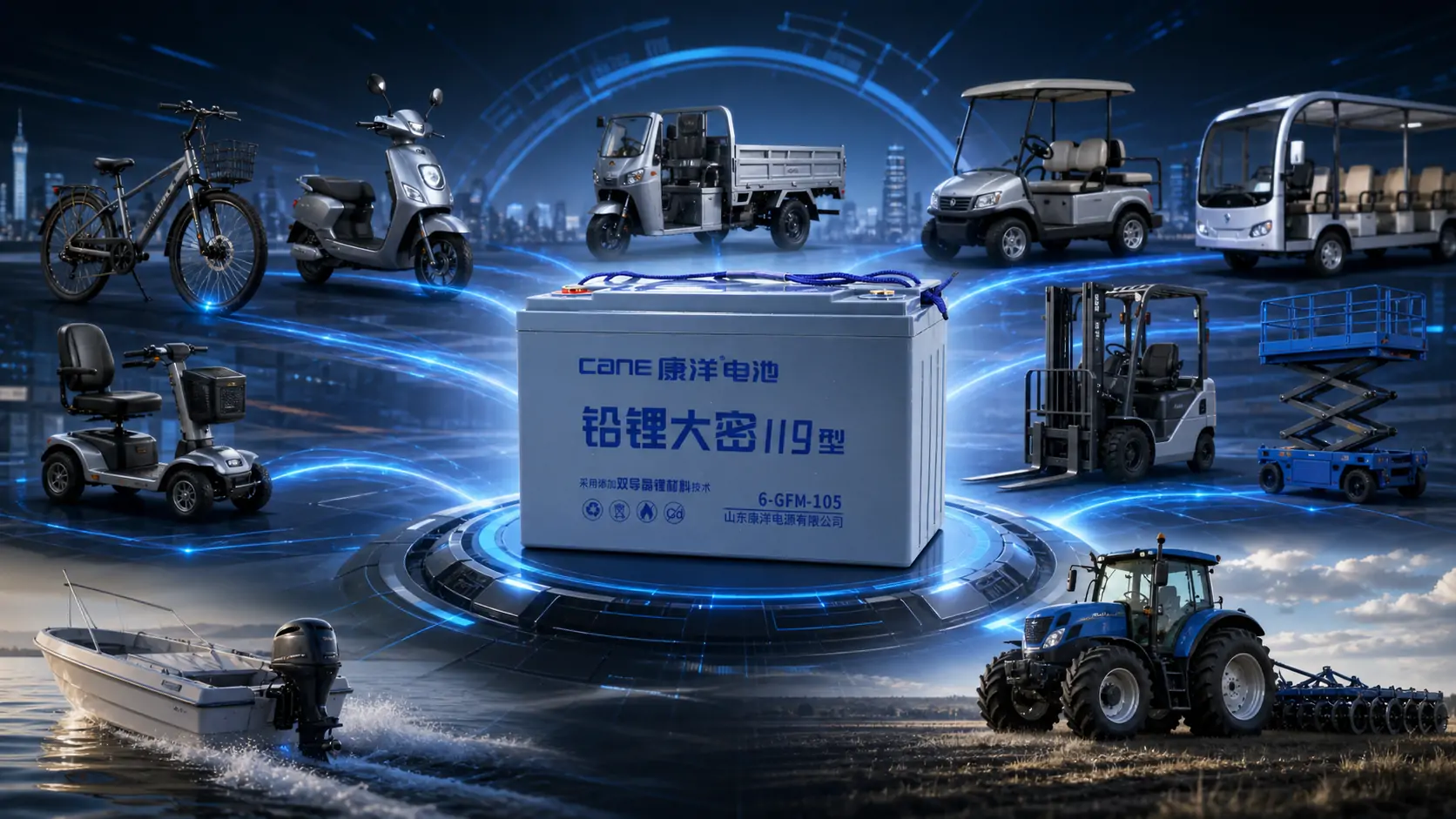
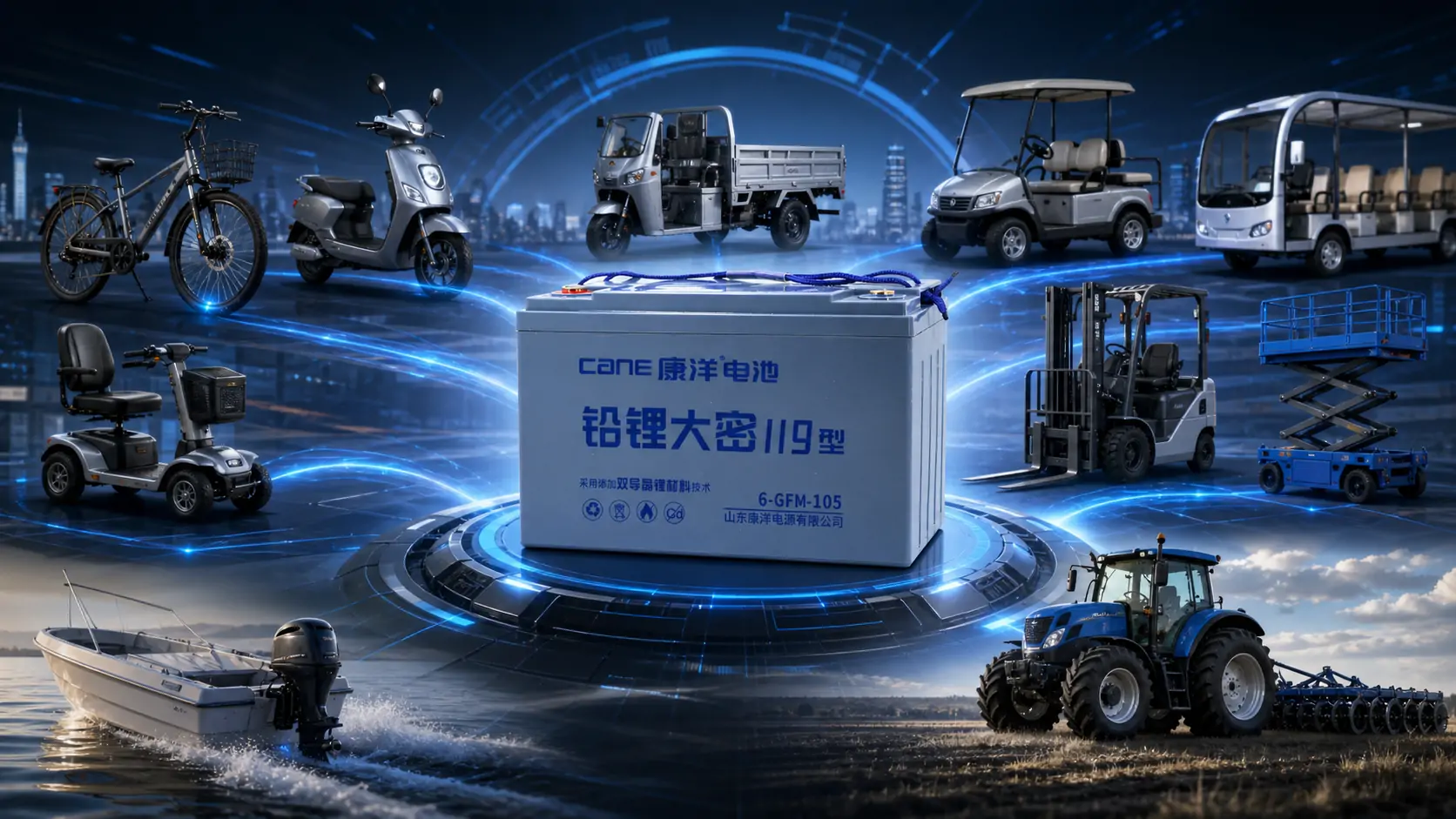
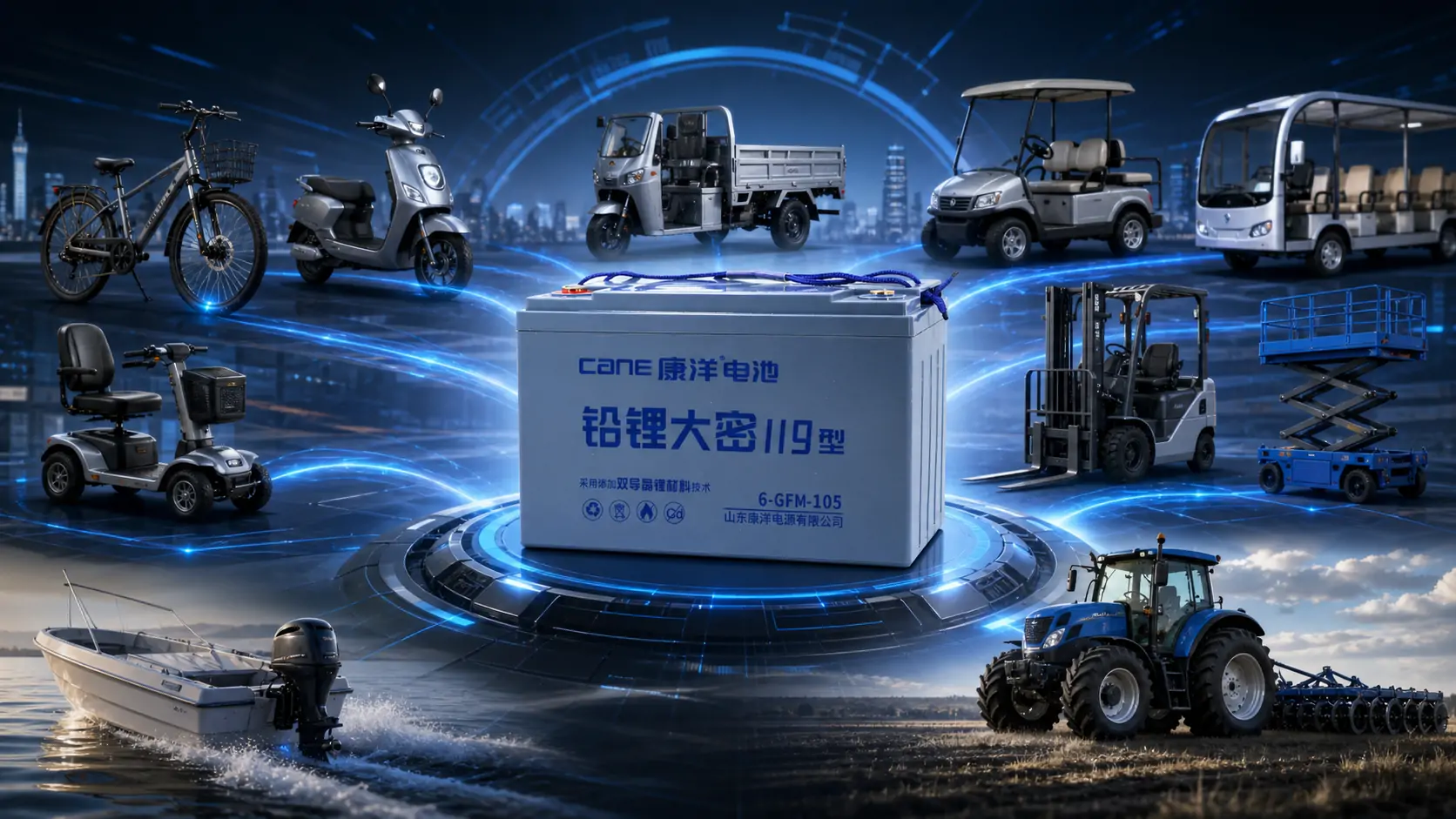
    For market application scenarios, Cane Energy battery products are widely used in electric vehicle power, photovoltaic energy storage, communication base stations, and low-speed vehicle support. Leveraging a comprehensive nationwide channel layout, the products cover most provinces and cities in China, providing end users with stable and reliable power solutions. The company adheres to a pragmatic business philosophy, avoiding short-term traffic hype, and instead earns long-term recognition from channel partners and end users through consistent supply capabilities and a robust after-sales service system.

    Commitment to Sustainable Development

    The long-term development of the industry relies on pragmatic enterprises that stay true to their original aspirations. Against the backdrop of the ongoing dual-carbon strategy, the energy storage and power battery industry still has vast room for growth. Cane Energy will continue to leverage its manufacturing advantages, strictly adhere to industry norms and product standards, continuously optimize product structures, and enhance comprehensive service capabilities, steadily advancing in the wave of green energy development.

    Future Outlook

    Looking ahead, the company will continue to focus on its core business, leveraging solid technical accumulation, rigorous quality control management, and pragmatic market operations to continuously strengthen its brand foundation. With long-term and stable comprehensive strength, it will contribute to the high-quality development of the industry and, through practical action, continue to define its own new heights in the sector.

  • New Battery First Charge: What to Pay Attention To?

    New Battery First Charge: What to Pay Attention To?

    Many friends wonder how to properly charge a new battery for the first time after replacing it in their electric vehicle. In fact, the initial use and charging method are very important and directly affect the battery’s subsequent performance and lifespan. Today, we summarize the tips for using a newly replaced battery. Let’s learn together!

    I. Don’t rush to charge a new battery

    New batteries come with some charge from the factory and during transportation. There is no need to fully charge them immediately after installation, nor should you ride until the battery is completely dead before charging.

    Recommendation: Ride normally and perform the first charge when the remaining power is about 20%–30%. This helps the battery enter a stable state.

    II. How long should the first charge be?

    Modern chargers and batteries have protection features, so overcharging is not necessary.

    • Lead-acid battery: After the charger turns green, you can continue charging for 1–2 hours. The total time should be based on when the battery is fully charged.
    • Lithium battery: When the green light is on, it indicates a full charge. Unplug the power in time.

    Remember: Stop charging once full. Avoid prolonged overcharging, as it helps reduce battery heating and bulging, extending the service life.

    III. Key points for the first charge

    1. Use a matching, genuine charger

    Different battery models have different voltage and current parameters. Using an incompatible charger may affect battery performance.

    2. Charge in a ventilated, dry, and safe environment

    Avoid charging in direct sunlight, enclosed spaces, or unsafe areas to ensure safety.

    3. Try to fully charge in one go, reducing frequent plugging and unplugging

    For the first few uses of a new battery, try to fully charge it in one session to help the battery enter a working state.

    IV. Daily use for stable range

    • For the first 3–5 charges, follow the correct method to stabilize the battery.
    • Avoid deep discharging and overcharging in daily use.
    • If not used for a long time, periodically recharge to maintain battery activity.

    A good battery depends not only on factory performance but also on long-term reliability. The first charge is just the beginning. Choosing a reliable brand ensures better range, longer life, and peace of mind in daily riding. Good usage habits combined with quality batteries make daily riding more worry-free.

    Cane Energy has long been dedicated to the electric vehicle battery field. With rigorous production processes and strict factory testing, we provide users with stable and safe battery products. Starting from actual user scenarios, we ensure product quality while sharing practical knowledge to help everyone better use and maintain batteries, making travel smoother and more reliable.

    In the future, Cane Energy will continue to accompany every user with reliable products and attentive service for safe travel!

  • How to Identify Genuine New Lead-Acid Batteries

    How to Identify Genuine New Lead-Acid Batteries

    When replacing lead-acid batteries for electric vehicles, tricycles, or cars, you may worry about buying refurbished, old stock, or non-genuine batteries. Mastering simple identification methods can help you choose reliable products and ensure your batteries perform steadily and last longer. Today, we have compiled practical tips to help you easily identify genuine new lead-acid batteries. Let’s take a look!

    1. Check Appearance and Labels: Details Matter

    Genuine new lead-acid batteries have clear and standardized appearance and labeling features:

    • Casing condition: The surface is clean and flat, with no obvious scratches, stains, deformation, or polishing marks. The casing seams are uniform with no signs of secondary sealing.
    • Printing and coding: Model, parameters, codes, etc., are printed clearly and neatly. Laser codes are firmly attached and not easily erased. No blurring, ghosting, alterations, or scratch marks.
    • Compliance information: Complete information such as applicable standards, manufacturer, model specifications, production date, and warranty period is clearly marked and legible.

    2. Check the Terminals: Signs of Use Cannot Be Hidden

    The terminals (posts) are a direct indicator of whether a battery is new:

    • Genuine new: Terminals are bright and clean, with no screw indentations, oxidation blackening, green or white rust, or wrench marks.
    • Non-new/refurbished: Terminals show signs of use, such as slight indentations, oxidation discoloration, rust, or polishing marks. Such batteries should not be purchased as new.

    3. Check Codes and Dates: Identify Type and Freshness

    Genuine batteries have complete codes on the casing, allowing quick identification of type and production time. It is recommended to choose batteries produced within the last 3 months for better performance. Batteries older than 6 months may have reduced capacity, so purchase with caution. Always ensure the production date is clear, unaltered, and without signs of later printing, and that the information is verifiable.

    4. Verify Anti-Counterfeiting and Weight: Genuine Products Are Reliable

    • Official anti-counterfeiting: Genuine brands like Cane Energy have anti-counterfeiting labels or QR codes. Scratch off the coating and scan, call, or check online. A first-time query indicates a genuine product; multiple queries should raise suspicion.
    • Weight reference: The weight of lead-acid batteries is related to material content. Genuine batteries of the same specification have consistent weight. Batteries that are significantly lighter may have substandard materials.

    5. Check Packaging and After-Sales: The Last Line of Defense

    • Complete packaging: Genuine new batteries come in intact packaging with proper sealing, including manuals and warranty cards.
    • After-sales proof: When replacing, ask the seller to note the battery model, that it is a genuine new product, and the warranty period on the receipt. Keep the receipt for future service.

    Cane Energy Batteries: Quality and Service Together

    Cane Energy focuses on the R&D and production of lead-acid batteries. Our products follow industry standards, with strict control from raw materials to production, providing users with stable, durable, and reliable lead-acid batteries. Every genuine new Cane Energy battery has clear identification and complete after-sales service, giving you peace of mind when replacing and using.

    Quick Identification Mnemonic (Easy to Remember)

    Casing clean with no polish marks, printing clear and hard to erase.

    Terminals bright with no rust, codes confirm the new standard.

    Fresh date within three months, anti-counterfeit check and weight sufficient.

    Packaging intact and receipt clear, genuine product with after-sales guarantee.

  • How to Maintain Your EV Battery During Long-Term Storage

    How to Maintain Your EV Battery During Long-Term Storage

    With the rapid advancement of technology, electric vehicles (EVs) have entered countless homes, becoming a great helper for daily travel. However, sometimes we encounter situations where we temporarily don’t use the EV due to working away from home or extreme weather. When we want to ride it again after a period, we may find it won’t charge, has reduced range, or even affects future use. In fact, long-term storage of an EV is not a problem as long as the correct methods are followed, ensuring durability and peace of mind. Today, drawing on years of experience in EV battery manufacturing, we share some simple and easy-to-remember battery storage tips.

    1. Charge to the Right Level Before Long-Term Parking

    Batteries are most afraid of being left in a low-charge state. Whether using common lead-acid batteries or lead-lithium lead-acid batteries, pay attention to the charge level before long-term storage:

    • Lead-acid batteries: It is recommended to fully charge before storage to reduce the impact of low charge.
    • Lead-lithium lead-acid batteries: Charge to a moderate level before storage, which is more conducive to maintaining battery condition.

    Avoid storing the battery for long periods when the charge is very low, as this can affect future use and lifespan.

    2. Disconnect Unnecessary Power Drains to Ease the Battery

    Even when not in use, the EV’s circuitry consumes a small amount of power.

    • When not in use for a long time, turn off the vehicle’s main power.
    • For extended storage, safely disconnect the battery connection cables to reduce hidden power consumption.

    This allows the battery to “rest” quietly, extending its service life.

    3. Storage Environment: Cool and Dry, Avoid Direct Sunlight and Rain

    Batteries prefer a ventilated, dry, and room-temperature environment:

    • Do not place in areas exposed to prolonged direct sunlight; high temperatures are not friendly to batteries.
    • Avoid locations with standing water, humidity, or exposure to rain to prevent moisture damage.

    In short: a sheltered, non-sunny, and dry place is a good environment for batteries.

    4. Recharge Periodically to Keep the Battery Healthy

    Long-term storage does not mean “completely neglect”:

    • Periodically charge the battery for a while to maintain its activity.
    • Especially in colder temperatures, appropriate recharging better protects the battery.

    As long as you “charge occasionally,” the battery will perform better when you resume use.

    5. When Resuming Use, Don’t Rush to Ride Aggressively

    For an EV that has been idle for a long time, follow these steps when restarting:

    • First, fully charge the battery normally.
    • Initially, ride gently to allow the battery to gradually recover its condition.

    With proper maintenance and reasonable use, battery life and performance will be more stable.

    Cane Energy: Committed to Quality Batteries for Greater User Convenience

    Cane Energy has always focused on battery research and production, insisting on developing battery products that are stable, durable, easy to maintain, and simple to care for, based on users’ daily usage scenarios.

    We value every user’s riding experience, emphasizing quality and safety throughout the entire process from production to use, ensuring that users feel reliable and assured during daily riding, long-term storage, and repeated charging and discharging.

    Battery maintenance is not complicated. Remember these key points: proper charge level, dry environment, periodic recharging, and scientific use. Combined with a reliable battery, your EV will accompany you for a longer time.

  • Don’t Just Look at Price When Buying Batteries: Capacity, Lifespan, and Safety Are Key

    Don’t Just Look at Price When Buying Batteries: Capacity, Lifespan, and Safety Are Key

    When buying electric vehicle batteries, many people’s first reaction is to compare prices: choose the cheapest one. But after a while, they find that battery range drops, winter mileage shortens, charging heats up, and performance degrades noticeably. In the end, it costs more money, more worry, and more concern.

    As a company with years of experience in the battery industry, Cane Energy wants to share an important insight: when buying batteries, don’t just look at the price. Whether the capacity is sufficient, the lifespan is long, and the usage is safe and stable are the key factors that determine a satisfying and worry-free daily experience.

    1. Choosing Cheap Batteries Often Leads to ‘Paying for Trouble’ Later

    Some low-priced batteries on the market may seem to save money upfront, but in actual use, the following issues may arise:

    • Actual range falls short of the labeled value, and mileage decreases over time.
    • Charge-discharge cycle life is average, with noticeable degradation after short use.
    • Materials and workmanship are ordinary, leading to instability and heating during charging.
    • After-sales service is inadequate, making it difficult to resolve problems effectively.

    Low-priced batteries may save money initially, but they can lead to frequent replacements, charging concerns, and running out of power midway, resulting in higher overall costs.

    Cane Energy firmly believes that the battery is the core of vehicle power and an important part of safety. It should not sacrifice long-term user experience and safety for a low price.

    2. When Choosing a Battery, Focus on These 3 Points—They Matter More Than Price

    1. Real Capacity: Determines Daily Range

    Capacity is the foundation of battery range.

    • Sufficient capacity ensures more reliable range, suitable for commuting, home use, and delivery scenarios.
    • High-quality materials and honest capacity provide more stable discharge performance in low temperatures.
    • Strong starting power and easier hill climbing make daily riding more comfortable.

    Cane Energy’s full range of batteries adheres to honest capacity labeling, ensuring every charge delivers reliable and long-lasting performance.

    2. Cycle Life: Determines How Long It Lasts and Whether It’s Cost-Effective

    The longer the battery life, the lower the annual cost.

    • Short life means frequent replacements, which is not cost-effective in the long run.
    • Stable life maintains good performance under normal use, making a one-time investment more worthwhile.
    • Reliable batteries offer more stable charging and discharging, providing peace of mind.

    A truly cost-effective battery is not one that is cheap to buy, but one that lasts long and performs steadily.

    3. Safety: A Critical Factor That Cannot Be Overlooked

    Battery safety directly affects personal and property safety.

    • Stable materials reduce the risk of overheating and swelling.
    • Reliable structural design ensures shock resistance and adaptability to complex road conditions.
    • More stable charging performance provides greater peace of mind in daily use.

    Whether traditional lead-acid batteries or the new generation of lead-lithium batteries, safety is the core standard at Cane Energy.

    3. Two Classic Choices from Cane Energy to Meet Different Needs

    Many long-time users know that Cane Energy first established its market position with high-quality lead-acid batteries. Our lead-acid batteries offer:

    • Mature technology and strong stability.
    • Excellent cost performance and comprehensive after-sales service.
    • Wide compatibility with various vehicle models and years of market reputation.

    They remain a practical choice for many users.

    Building on this classic foundation, Cane Energy has upgraded to introduce lead-lithium batteries that better meet modern user needs:

    • Improved capacity, range, lifespan, and charging efficiency compared to traditional lead-acid batteries.
    • Retains the stable characteristics of lead-acid batteries with even more reassuring safety performance.
    • No blind pursuit of gimmicks, no compromise on safety standards—true performance upgrade without sacrificing safety.

    Cane Energy’s approach is never to ‘phase out old models,’ but to offer users more, better, and more suitable choices.

    4. How to Choose the Right One?

    • For economical, practical, and reliable performance: Choose Cane Energy lead-acid batteries.
    • For longer range and better lifespan: Upgrade to Cane Energy lead-lithium batteries.

    Whichever you choose, remember: don’t just look at the price when buying batteries! Capacity, lifespan, and safety are the real keys.

    5. Cane Energy: Quality Batteries for Peace of Mind on Every Trip

    From lead-acid to lead-lithium, Cane Energy has always insisted on not producing low-price, low-quality products. We focus on creating durable, safe, and reliable batteries. No false labeling—just real range, stable lifespan, and a worry-free experience.

    Next time you change your battery, don’t just ask ‘how much.’ Pay attention to these three points: Is the capacity real? Is the lifespan long? Is the safety stable?

    Choose Cane Energy for reliable power and peace of mind. With professional manufacturing, we protect every journey!

  • Slow Electric Bike Charging? Just Swap the Battery

    Slow Electric Bike Charging? Just Swap the Battery

    Many electric bike users face a common frustration: plugging in at night and waiting all night for a full charge; rushing in the morning, needing to go out at noon, or delivering goods in the afternoon, only to find that a quick charge barely gets you anywhere; urgent tasks delayed by a battery that just won’t charge fast enough.

    Often, the issue isn’t the charger or the vehicle—it’s the type of battery you’re using.

    As a company dedicated to battery R&D and manufacturing for years, Cane Energy has long served users with mature and stable lead-acid batteries.

    Cane Energy lead-acid batteries are technologically mature, safe, reliable, cost-effective, and easy to maintain. They meet daily basic power needs and have gained strong market recognition over the years. They remain our core product, and we continue to optimize and upgrade them to provide reliable, high-quality lead-acid batteries.

    Today, we’re not dismissing anything—just offering education and an upgrade recommendation. While retaining all the advantages of lead-acid batteries, Cane Energy is launching a new generation of lead-lithium lead-acid batteries to address the pain points of slow charging, long waits, and inconvenient top-ups, giving you a more efficient and hassle-free option.

    1. First, let’s clarify: traditional lead-acid batteries are still very practical

    Let’s be clear from the start:

    Traditional lead-acid batteries are not outdated, nor are they hard to use.

    • 1. Mature technology, proven by long-term market use.
    • 2. Safe and stable, worry-free operation.
    • 3. Affordable price, convenient after-sales service.
    • 4. Fully sufficient for daily short trips and infrequent use.

    If you don’t use your vehicle much and have low demands on charging speed, Cane Energy lead-acid batteries remain a very reliable and economical choice.

    2. Why are we launching lead-lithium lead-acid batteries?

    As life gets faster, batteries face higher demands:

    • 1. Faster charging, no more long waits.
    • 2. Quick top-ups for impromptu trips or emergencies.
    • 3. No delays in work, deliveries, or travel due to slow charging.
    • 4. Greater durability and lower overall cost.

    To meet these new needs, Cane Energy has upgraded its mature lead-acid technology to create lead-lithium lead-acid batteries. This isn’t a replacement for lead-acid batteries, but an upgrade for users who need higher efficiency.

    3. What makes lead-lithium lead-acid batteries better for charging?

    In plain, practical terms:

    • 1. Faster charging, saving significant time. Compared to traditional lead-acid batteries, lead-lithium lead-acid batteries charge more efficiently, drastically reducing full charge time—no more waiting all night.
    • 2. More practical for quick top-ups. A short charge during lunch, before going out, or between tasks can cover a trip, making emergencies much easier.
    • 3. More stable performance and greater durability. While charging faster, overall performance is more stable, with a longer cycle life, making long-term use more cost-effective.
    • 4. Inherits safety and reliability. Leveraging years of battery manufacturing experience, Cane Energy maintains the stability and safety of the lead-acid system, suitable for both home and commercial use.

    Simple summary:

    Lead-acid batteries: stable, economical, reliable. Lead-lithium lead-acid batteries: fast, smooth, more efficient.

    4. Cane Energy’s buying advice

    • If you use your vehicle infrequently, prioritize economy, and can accept normal charging speeds: stick with Cane Energy lead-acid batteries—classic, reliable, and worry-free.
    • If you use your vehicle often, hate long waits, and want faster, more convenient charging: upgrade to Cane Energy lead-lithium lead-acid batteries for significantly improved charging efficiency and a better user experience.

    5. Final thoughts

    Cane Energy has deep roots in the battery industry, always starting from real user needs. We provide both the trusted classic lead-acid batteries and the more efficient lead-lithium lead-acid batteries, so users with different needs can find the right battery.

    If you’re troubled by slow charging, long waits, or inconvenient top-ups, you don’t need to change your vehicle—just choose the right battery, and the problem is solved.

    Cane Energy: building every battery with care, making your travel more time-saving, hassle-free, and worry-free!

  • Why Your E-Bike Battery Dies Fast and How to Fix It

    Why Your E-Bike Battery Dies Fast and How to Fix It

    Many electric bike owners share the same frustration: the battery starts losing range soon after replacement, won’t charge fully, and needs replacing again within a year or two. When you add it up, replacing the battery every year costs a lot of money and causes a lot of hassle.

    Actually, the problem isn’t how you charge, but the type of battery you choose. Today, we’ll explain in plain terms how to get a battery that’s truly cost-effective, and why more and more people are switching from traditional lead-acid batteries to lead-lithium batteries.

    1. Why does your battery die after just over a year?

    The most common type is the traditional lead-acid battery.

    It’s cheap and well-established, but it has several unavoidable drawbacks:

    1. Limited cycle life

    Standard lead-acid batteries typically last 300–500 charge cycles. With daily use and charging, they degrade noticeably within 1–2 years.

    2. Sensitive to over-discharge and overcharging

    If you push it a bit hard, the range drops sharply. Many people have to replace it within two years.

    3. Performance fades over time

    A new battery runs far, but after a while, it starts showing false charge and rapid voltage drop, especially in winter, when range can be cut in half.

    The result: the initial low price is deceptive; in the long run, it’s more expensive and troublesome.

    2. For better value: don’t just look at the purchase price, consider how long it lasts

    A truly cost-effective battery should meet these three criteria:

    1. Longer life, no need for yearly replacement

    2. Stable range, no drastic winter shrinkage

    3. Low maintenance, hassle-free

    The battery that meets all these is the lead-lithium battery, which many experienced riders are switching to. You might wonder: what is a lead-lithium battery, and how is it different from the lead-acid battery I used before?

    3. Lead-lithium vs. traditional lead-acid: what’s the difference?

    1. Significantly longer life – this is the biggest advantage

    Traditional lead-acid batteries need replacement every 1–2 years. Lead-lithium batteries have a much longer cycle life, so you replace them less often. In simple terms, you might replace a lead-lithium battery once for every two times you’d replace a lead-acid one. Fewer replacements mean saving money and avoiding hassle.

    2. Lighter weight, easier to carry for charging

    Traditional lead-acid batteries are heavy, making it difficult for women and the elderly to carry them upstairs. Lead-lithium batteries are lighter for the same capacity, making charging, moving the bike, and removing the battery much easier.

    3. More stable winter range, no drastic drop

    Poor winter range is a common problem with lead-acid batteries. Lead-lithium batteries perform better in low temperatures, with less range loss, giving you more confidence for commuting and school runs in winter.

    4. More durable, slower degradation

    Lead-lithium batteries have improved charging efficiency and stability. They don’t show false charge, are less finicky, and maintain range longer. After a year of use, a lead-lithium battery is typically in much better condition than a standard lead-acid one.

    5. Still safe and reliable, not just hype

    Lead-lithium batteries are an upgrade based on mature, stable technology, not some unfamiliar new tech. From a reputable manufacturer, they are safe, reliable, and durable.

    4. Summary: what makes lead-lithium batteries better?

    Compared to traditional lead-acid batteries, lead-lithium batteries:

    1. Last longer, so you don’t need to replace them every year – more cost-effective.

    2. Are lighter, making them easier to carry and charge.

    3. Perform better in winter, with less range loss.

    4. Offer more stable performance, with slower degradation and no false charge.

    5. Are safe and reliable for everyday use.

    Think of it this way: a lead-lithium battery is an upgraded version of a lead-acid battery. It retains the reliability of lead-acid while addressing its shortcomings, giving you longer life and less hassle.

    5. Cane Energy: your more cost-effective, durable choice

    At Cane Energy, we have been focused on making batteries that people can trust for years.

    You may know us for our reliable, durable lead-acid batteries with excellent after-sales support. Now, to help you avoid frequent battery replacements and get better value, we are proud to introduce Cane Energy lead-lithium batteries.

    Cane Energy – from classic lead-acid batteries to the new generation of lead-lithium batteries – always delivers solid quality to ensure every ride is worry-free.

  • Why Does Your EV Battery Drop When You Twist the Throttle? 5 Common Causes

    Why Does Your EV Battery Drop When You Twist the Throttle? 5 Common Causes

    When riding an electric vehicle, you often encounter this situation: the battery indicator shows full, but as soon as you twist the throttle, it drops by one or two bars, or even dies completely. Your first reaction is likely, “The battery is broken; I need a new one.” In fact, 90% of such “power drops” are not caused by battery failure but by external factors like vehicle wiring, usage habits, or environmental conditions. As a company with over 20 years of experience in the lead-acid battery field, Cane Energy is here to reveal the truth, teach you how to accurately diagnose and scientifically use your vehicle, and help you reduce power drop issues at the source.

    1. Why Does the Power Drop When You Twist the Throttle? These 5 Culprits Are the Real Cause

    1. Poor Wiring Contact: The Invisible Killer of Current “Traffic Jams”

    The battery terminals, motor connectors, and controller connectors of an electric vehicle are exposed for long periods and can easily become loose or oxidized due to vibration, creating “contact resistance.” Under normal low-current riding, the impact is minimal. But when you twist the throttle, the motor demands high current, and the current transmission is hindered, causing the voltage to drop instantly. This triggers a power drop on the dashboard, and may also cause heating at the connections or motor hesitation. This is the most common and easily overlooked cause, and it is not a battery quality issue.

    2. False Power Drop: “Phantom Charge” Tricks the Battery Meter

    Often, a “full charge” display is actually a phantom charge. Long-term short-distance riding, unplugging the charger before full charge, or using a low-quality charger can prevent the active materials inside the battery from fully activating, forming a sulfation layer. This results in “fast charging, fast draining.” Batteries left idle for a long time and then recharged are also prone to false full charges, where the phantom charge disappears as soon as you accelerate. In such cases, the battery itself is not damaged; it has just not been used correctly.

    3. Poor Riding Habits: High Current Impact “Hurts” the Battery

    Abruptly twisting the throttle when starting, overloading with passengers or cargo, and not slowing down on uphill slopes cause the motor to demand an extremely high current instantly. The battery is forced to discharge at a high rate, causing a sharp voltage drop and directly triggering a power drop. Frequent high-current impacts not only make the battery meter “plummet” but also accelerate plate sulfation in ordinary batteries, shortening their lifespan.

    4. Vehicle Mechanical Faults: Extra Power Drain Drains the Battery

    Low tire pressure, stuck brakes, or damaged bearings significantly increase driving resistance. The motor needs to consume more electrical energy to drive the vehicle, leading to “fast power drop and short range” when you twist the throttle. These issues can be resolved by adjusting the brakes, inflating the tires, or repairing the bearings—they have nothing to do with the battery.

    5. Low Temperature Environment: Battery Activity “Takes a Hit”

    The chemical activity of lead-acid batteries is greatly affected by temperature. When the ambient temperature drops below 10°C, internal reactions slow down, reducing discharge capacity. The high current demand during startup mismatches the power supply capability, causing a sudden voltage drop and a power drop display. Once the temperature rises, battery performance recovers, and this is not a sign of battery aging.

    2. Accurate Diagnosis + Scientific Usage: Say Goodbye to Power Drop Anxiety

    1. Three-Step Self-Check to Quickly Locate the Problem

    • Check wiring: After disconnecting power, inspect battery terminals and connectors. Clean off oxidation and rust, tighten loose screws, and apply petroleum jelly to prevent oxidation.
    • Check vehicle condition: Inflate tires to proper pressure, adjust brakes, and inspect bearings to reduce driving resistance.
    • Check charging: Use the original matching charger. After full charge, float charge for 1 hour to avoid phantom charge. Never store the battery in a discharged state.

    2. Develop Good Habits to Extend Battery Life

    • Smooth starts: Gently twist the throttle when starting. Use pedal assistance when going uphill or carrying passengers to reduce high current impact.
    • Shallow charge and discharge: Charge the battery promptly when the remaining capacity is 20%-30%. Avoid deep discharge to prevent plate sulfation.
    • Adapt to environment: In winter, park the vehicle indoors to avoid low-temperature discharge. In summer, avoid direct sunlight to prevent battery overheating.

    3. Choosing the Right Battery Is Key—Cane Energy: Eliminate Power Drop Issues at the Source

    External problems can be diagnosed and resolved, but the battery’s own performance is the core factor in resisting power drops and ensuring range. With over 20 years of experience in the lead-acid battery field, Cane Energy leverages hardcore technology and craftsmanship to create high-quality batteries that are “power-drop resistant, strong in power, and long-lasting,” making them the trusted choice for millions of users.

    Cane Energy is always committed to the mission of “building safer, more stable, and long-range power batteries,” using technological innovation to safeguard every ride. Whether for daily commuting, food delivery, or long-distance riding, Cane Energy batteries deliver stable voltage output and powerful performance, freeing you from power drop anxiety and allowing you to ride farther and more confidently.

    Next time your electric vehicle experiences a power drop, remember to check external causes and choose Cane Energy batteries—good batteries that don’t drop power and last longer!

  • How to Fix False Charge in Lead-Acid Batteries: Causes and Solutions

    How to Fix False Charge in Lead-Acid Batteries: Causes and Solutions

    Many people who rely on electric bikes and tricycles for daily travel have experienced this: the battery shows a full charge, but as soon as you twist the throttle, the power drops sharply, and you can’t go far before it indicates low battery. Yet, after sitting idle for a while, it shows power again. This is a classic symptom of “false charge” in lead-acid batteries.

    As a professional manufacturer of lead-acid batteries, Cane Energy explains from the perspectives of product principles, usage scenarios, and maintenance experience: what causes false charge, whether it can be fixed, how to handle it at home, and when replacement is necessary.

    1. What Is False Charge in Lead-Acid Batteries?

    Simply put, false charge means the battery shows power but cannot actually discharge or drive the load.

    Common symptoms include:

    • The charger quickly turns green, indicating a full charge, but the battery drains immediately when used.
    • The power meter drops instantly during startup, climbing, or acceleration.
    • The battery runs out of power after a short distance, but the voltage rebounds when parked.
    • After more than a year of use, the range drops sharply.

    False charge does not mean the battery is completely dead; rather, it indicates a decline in the battery’s ability to store and discharge power. It is a common phenomenon during the use of lead-acid batteries.

    2. Four Main Causes of False Charge

    1. Battery Sulfation (Most Common)

    Long-term undercharging, prolonged storage in a discharged state, or frequent use without a full charge can form hard lead sulfate crystals on the plates, blocking pores. This prevents the battery from charging and discharging properly, resulting in false charge.

    2. Water Loss

    Maintenance-free lead-acid batteries are not completely immune to water loss. Long-term fast charging, high-temperature charging, or overcharging can cause the electrolyte to evaporate, leading to abnormal electrolyte concentration and a significant drop in capacity, resulting in false charge.

    3. Weak Cell or Uneven Internal Resistance

    A battery pack consists of multiple cells connected in series. If one cell has reduced capacity or increased internal resistance, it drags down the entire pack. After a full charge, the voltage drops as soon as the battery is used.

    4. Aging and Plate Softening

    The typical lifespan of a lead-acid battery is 1.5 to 3 years. Over time, the active material on the plates sheds, causing irreversible capacity loss and increasingly severe false charge.

    3. Three-Step Fix for False Charge (Can Be Done at Home)

    The following methods are suitable for batteries that are not bulging or severely deformed. They are safe, simple, and can be performed by the user:

    1. Deep Reconditioning Charge (Most Effective for Sulfation)

    • Use the battery until it has about 30% charge remaining; do not fully discharge it.
    • Charge it fully with the original matching charger. After the charger turns green, continue floating charge for 1–2 hours (do not exceed this time).
    • Repeat this cycle 3–5 times. Many mildly sulfated batteries can recover significantly.

    Principle: A low-current, long-duration charge helps gradually dissolve some lead sulfate crystals.

    2. Avoid Storage in a Discharged State and Activate by Resting

    • For batteries not used for a long time, charge them at least once a month.
    • If the battery is already discharged, use a low-current slow charge first; do not use a high-current fast charge immediately.
    • After a full charge, let the battery rest for 1 hour before use to stabilize the voltage.

    3. Check the Wiring and Charger (Often Overlooked)

    False charge may not always be a battery issue:

    • An aging charger or abnormal output voltage can cause a “false full charge.”
    • Poor wiring connections, oxidized plugs, or loose terminals can also cause voltage drops under load.
    • First, test with a same-specification original charger to rule out external problems.

    4. Two Cases Where Replacement Is Necessary

    1. Obvious Bulging, Deformation, or Leakage

    This indicates internal plate damage and structural failure. Repair is ineffective, and continued use poses safety risks.

    2. Battery Over 2 Years Old and Still Unable to Run Far After Repair

    Lead-acid batteries are consumables. Once their lifespan is reached, degradation is irreversible. Forcing a repair is not meaningful and may affect the vehicle and safety.

    We recommend choosing reliable brands like Cane Energy for quality lead-acid batteries to reduce false charge, bulging, and premature aging from the start, ensuring peace of mind.

    5. Daily Practices to Reduce False Charge and Extend Battery Life

    • Charge the battery after each use rather than waiting until it is fully discharged.
    • Use the original matching charger; do not mix chargers with different voltages or currents.
    • Avoid charging in high temperatures or direct sunlight; do not overcharge in enclosed spaces.
    • For long-term storage, fully charge the battery before storing and recharge it periodically.
    • Choose a reputable brand of lead-acid batteries for more stable internal resistance and fewer false charge issues.

    Summary

    For lead-acid batteries with false charge caused by mild sulfation or water loss, proper reconditioning and maintenance can restore some capacity. However, if the plates are aged, bulging, or a cell is damaged, repair only provides temporary relief and cannot restore the battery to its original state. Proper use and scientific charging are key to minimizing false charge and extending battery life.

    If your battery has reached the end of its service life, consider replacing it with Cane Energy’s original-quality lead-acid batteries. Cane Energy adheres to high manufacturing standards, using premium plates and materials, and strictly controls every production process. Our batteries offer long range, long life, no false charge, and enhanced safety, and are widely compatible with electric bikes, tricycles, and other vehicles. Over the years, Cane Energy has earned the trust of millions of users nationwide for its stable and reliable quality. With guaranteed range, safety, and lifespan, Cane Energy ensures worry-free travel!

  • Can Electric Vehicles Carry Heavy Loads? Effects on Battery Life

    Can Electric Vehicles Carry Heavy Loads? Effects on Battery Life

    Today, electric vehicles have become an essential means of daily transportation for people. Whether commuting to work, picking up children from school, grocery shopping, or running short errands, they are indispensable. Convenient, economical, and eco-friendly, EVs have become a trusted travel companion for countless households. However, many users worry: will long-term heavy loads damage the EV battery?

    As a professional battery manufacturer, Cane Energy is committed to providing more durable, safer, and more stable power support through high-quality cells and rigorous processes. Today, we will explain the relationship between load and battery life.

    1. What Happens to the Battery Under Heavy Load?

    EV batteries are not physically damaged by weight alone, but excessive loads significantly increase the battery’s workload:

    • The heavier the load, the higher the current when starting, climbing, or accelerating.
    • Sustained high-current discharge raises internal temperature and causes rapid voltage drop.
    • Frequent deep discharges and high-current surges accelerate plate aging, reducing range and cycle life.

    In short: heavy loads don’t crush the battery—they wear it out. Occasional overloading may not cause immediate damage, but frequent and prolonged overloading will noticeably accelerate battery degradation.

    2. These Loading Scenarios Are Most Harmful to the Battery

    • Sudden starts with excessive weight. Exceeding the vehicle’s design load causes a current spike at startup, impacting the battery most.
    • Frequent climbing while carrying heavy loads. Uphill resistance forces sustained high-power output, leading to more severe heating.
    • Riding with heavy loads at low battery. Low charge plus high load easily causes deep discharge damage.
    • Long-term full-load operation. Consistently near or over the weight limit keeps the battery in a high-stress state, accelerating degradation.

    3. Tips for Longer Battery Life

    • Stay within the rated load. Follow the vehicle manual for passenger and cargo limits; avoid overloading or sustained full loads.
    • Start gently and avoid hard acceleration. Ease on the throttle to reduce high-current surges.
    • Reduce loads when battery is below 30%. A fully charged battery handles loads better; low charge plus heavy load causes overwork.
    • Avoid prolonged continuous heavy-load riding. Take breaks during long trips with heavy loads to reduce sustained heat buildup.
    • Charge regularly and properly; avoid storage at low charge. Good charging habits offset some wear and tear.

    4. Summary

    Heavy loads on an EV won’t physically crush the battery, but they increase stress and shorten service life. Battery durability depends not only on product quality but also on daily proper use. By maintaining reasonable loads and following correct usage practices with original qualified batteries, you can maximize battery life while ensuring range.

    Cane Energy consistently adheres to high safety standards, optimizing internal structure and protective performance to effectively reduce risks from high current and heavy loads. Even with occasional heavy loads, our batteries deliver stable output. Choosing our batteries means choosing reliability, safety, and peace of mind for every journey.