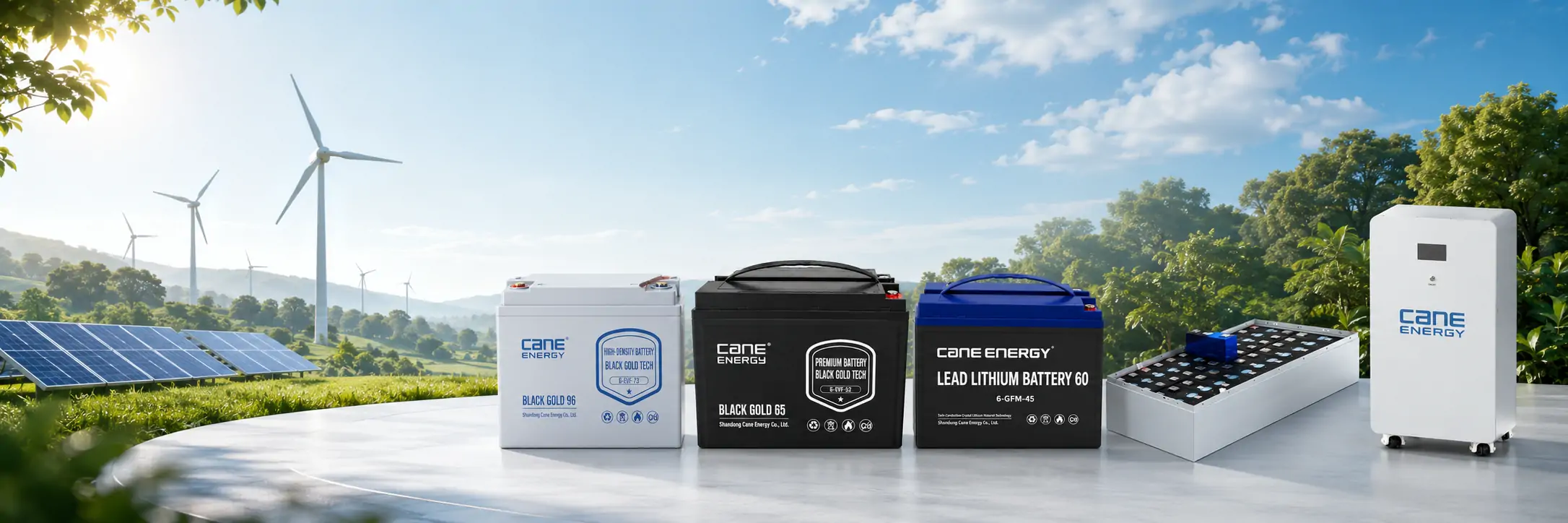
LiFePO4 (lithium iron phosphate) batteries are widely used in energy storage, solar systems, electric vehicles, and industrial applications due to their safety and long cycle life. Understanding the LiFePO4 voltage range is essential for proper system design, charger selection, and battery management. This guide explains the key voltage specifications, safety considerations, and practical tips for buyers and engineers.
What Is the LiFePO4 Voltage Range?
The LiFePO4 voltage range refers to the minimum and maximum voltage a single cell or battery pack can safely operate within. For a standard LiFePO4 cell, the typical voltage range is:
- Nominal voltage: 3.2V per cell
- Fully charged voltage: 3.6V to 3.65V per cell
- Fully discharged (cut-off) voltage: 2.5V to 2.8V per cell
For a 12V battery pack (4 cells in series), the nominal voltage is 12.8V, the charging voltage is 14.4V to 14.6V, and the discharge cut-off is around 10.0V to 11.2V. These values may vary slightly depending on the manufacturer and battery management system (BMS) settings.
LiFePO4 Charging Voltage
The LiFePO4 charging voltage is critical for battery safety and longevity. Most LiFePO4 cells require a constant current/constant voltage (CC/CV) charging profile with a maximum voltage of 3.65V per cell. Exceeding this voltage can cause overcharging, leading to reduced cycle life or safety risks. For a 12V pack, the recommended charging voltage is 14.4V to 14.6V. Always use a charger specifically designed for LiFePO4 chemistry, as lead-acid chargers may have higher voltage setpoints that can damage LFP batteries.
LFP Voltage vs. Other Lithium Chemistries
Compared to other lithium-ion chemistries, LiFePO4 has a lower nominal voltage (3.2V vs. 3.6V-3.7V for NMC or LCO). This means that for the same voltage requirement, more cells are needed in series. However, the flat discharge curve of LFP provides stable power output over most of the discharge cycle, which is advantageous for many applications.
How to Match a Charger to LiFePO4 Voltage Range
When selecting a charger for LiFePO4 batteries, consider the following:
- Voltage compatibility: The charger’s output voltage must match the battery pack’s charging voltage (e.g., 14.4V for a 12V pack).
- Current rating: Choose a charger with a current rating appropriate for the battery capacity (typically 0.2C to 0.5C for standard charging).
- Charging profile: Ensure the charger supports CC/CV with proper cut-off at the maximum voltage.
- BMS integration: Some chargers can communicate with the BMS for enhanced safety and monitoring.
Procurement Considerations for OEM and Wholesale Buyers
When sourcing LiFePO4 batteries for OEM or wholesale projects, verify the following specifications related to voltage range:
- Cell voltage tolerance: Ensure cells are matched within tight voltage ranges (e.g., ±0.05V) for balanced performance.
- BMS cut-off settings: Confirm the BMS undervoltage and overvoltage protection thresholds align with your application.
- Temperature derating: Voltage range may shift at extreme temperatures; request data sheets for your operating conditions.
- Certification: While we do not list specific certifications here, ask suppliers for relevant safety and performance test reports.
Frequently Asked Questions
What is the nominal voltage of a LiFePO4 cell?
The nominal voltage of a LiFePO4 cell is 3.2V. For a 12V battery pack, this translates to 12.8V nominal (4 cells in series).
Can I use a lead-acid charger for LiFePO4 batteries?
It is not recommended. Lead-acid chargers often have higher charging voltages (e.g., 14.8V for a 12V system) and different charging profiles that can overcharge or damage LiFePO4 batteries. Always use a charger specifically designed for LFP chemistry.
What happens if I discharge a LiFePO4 battery below 2.5V per cell?
Discharging below the minimum cut-off voltage can cause irreversible damage to the cell, reducing capacity and cycle life. A quality BMS will disconnect the load to prevent deep discharge.
How does temperature affect the LiFePO4 voltage range?
At low temperatures, the internal resistance increases, which may cause the voltage to drop more quickly under load. Charging below 0°C (32°F) is generally not recommended without a low-temperature BMS. At high temperatures, the voltage range remains stable, but thermal management is important for safety.