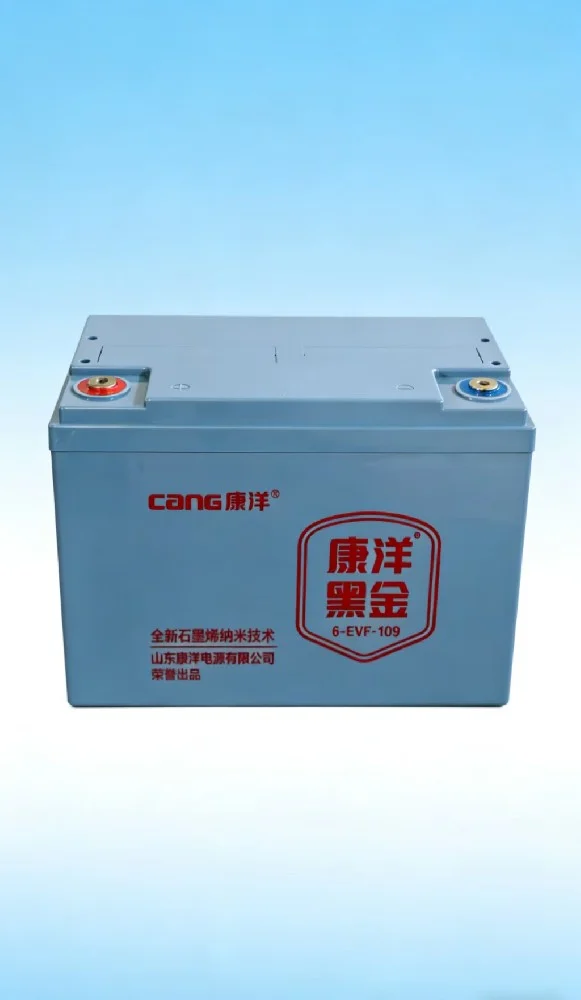
For electric vehicle users, battery trade-in is a necessity: it disposes of old batteries, reduces the cost of new ones, and restores your vehicle’s range. However, the market is full of tricks, opaque pricing, and inconsistent quality, leaving many regretting their decision after finding they were overcharged, received inferior batteries, or have no after-sales support.
As a professional manufacturer of electric vehicle batteries, this article will thoroughly explain the common pitfalls in the industry to help you avoid them during battery trade-ins.
1. High Quote First, Then Price Cut: Old Batteries “Get Lighter”
Many recycling points lure you with a high phone quote, then slash prices upon arrival citing “bulging, leaking, aging, wrong model,” or tamper with the scale to make the battery seem lighter.
How to avoid:
- Choose official brand channels and authorized stores with transparent pricing.
- Ask before trade-in: Is pickup included? Are there extra charges? Is there a minimum buyback?
- Keep records of your battery’s original weight and configuration, and be present during weighing.
2. “New Batteries” That Aren’t New: Refurbished, Returned, or Old Stock Sold as New
This is the most dangerous trap: using refurbished cells or disassembled old batteries repackaged as new, selling long-stocked or near-warranty-expiry batteries, or falsely labeling capacity and voltage, resulting in drastically reduced range. Such batteries not only have short life and poor performance but may overheat during charging, posing fire and bulging risks.
How to avoid:
- Only buy genuine brand batteries, checking production date, anti-counterfeit code, and certificate.
- Reject “no-name” or ultra-cheap unbranded batteries.
- Prefer manufacturer-direct or official warranty channels for trade-ins.
3. Hidden Bundled Costs: Low Price to Attract, Then Add-Ons
Some merchants lure with low prices but pile on charges later, e.g., excluding installation, inspection, or wiring fees, falsely claiming controller or wiring damage to force extra repairs, or charging “inspection” or “disassembly” fees if you don’t proceed.
How to avoid:
- Confirm a total all-in price upfront: battery price + installation fee – old battery deduction.
- Get a written agreement: no hidden costs, no forced repairs.
- Only agree to battery replacement; refuse unrelated services.
4. Verbal Warranty, No Support When Problems Arise
Many focus only on price and neglect warranty. Some merchants promise “one-year warranty” verbally but deny it later, fail to provide receipts or warranty cards, lack official after-sales, or even close down.
How to avoid:
- Always demand official receipts and warranty documents.
- Clarify warranty coverage: bulging, range issues, quality defects.
- Choose brands with nationwide warranty and manufacturer-direct after-sales.
5. Improper Disposal of Old Batteries: Environmental and Safety Hazards
Used lead-acid and lithium batteries are hazardous waste. Improper disposal pollutes the environment and violates regulations. Some small workshops dismantle and dump electrolyte, contaminating soil and water. Improper storage can also cause short circuits and fires.
How to avoid:
- Only use certified recycling companies with proper permits.
- Do not sell old batteries to unlicensed itinerant dealers.
- Support formal recycling and eco-friendly disposal for safety and compliance.
6. Mismatched Models or Poor Installation: Damages Vehicle and Poses Risks
Correct matching and installation are critical. Wrong voltage, capacity, or size can prevent charging or damage the controller. Poor installation can cause loose connections and short circuits while riding.
How to avoid:
- Replace batteries strictly according to your vehicle’s original specifications.
- Have a professional technician install, ensuring insulation, secure mounting, and waterproofing.
- Test charging, discharging, and range after installation before leaving.
Finally, here is the correct process for a brand trade-in:
- Consult for a quote: confirm battery model, number of old battery packs, and buyback price.
- Visit the store for inspection: verify battery condition, no price tricks.
- Replace with genuine new batteries: brand new, traceable anti-counterfeit code, with warranty.
- Professional installation: proper wiring, secure fastening, safety tests.
- Old battery recycling: formal disposal, receive a recycling or trade-in certificate.
- After-sales support: official warranty for quality issues.
Battery trade-in should prioritize safety and quality. Don’t be fooled by low prices. Avoid traps like price cuts, refurbished units, hidden costs, and no warranty. Choose reputable brands, official channels, and professional service for a worry-free experience.
Cane Energy batteries are fully certified, high-quality, and reliable—use with confidence!
Leave a Reply