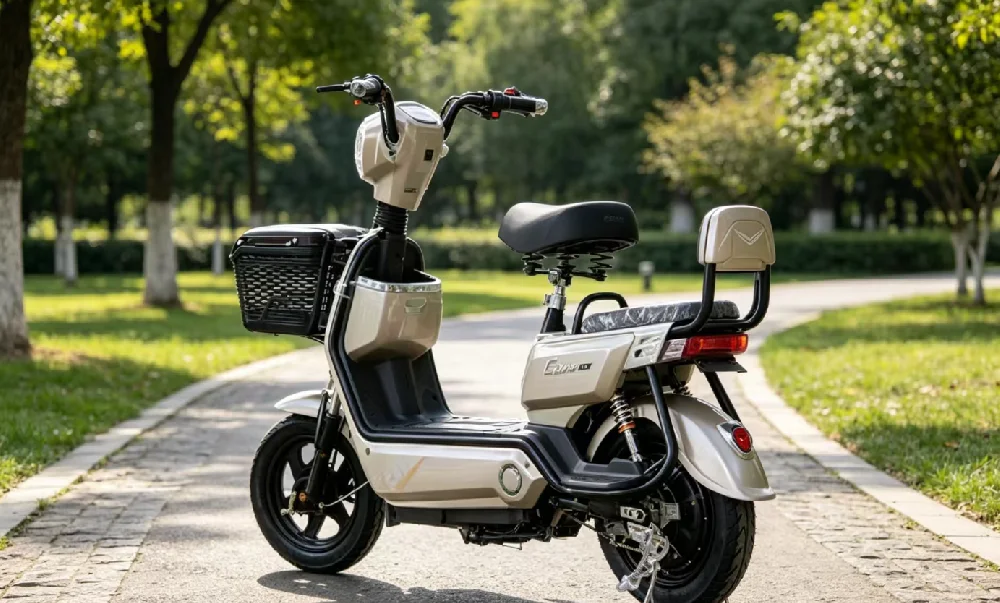
With the rapid advancement of technology, electric vehicles (EVs) have entered countless homes, becoming a great helper for daily travel. However, sometimes we encounter situations where we temporarily don’t use the EV due to working away from home or extreme weather. When we want to ride it again after a period, we may find it won’t charge, has reduced range, or even affects future use. In fact, long-term storage of an EV is not a problem as long as the correct methods are followed, ensuring durability and peace of mind. Today, drawing on years of experience in EV battery manufacturing, we share some simple and easy-to-remember battery storage tips.
1. Charge to the Right Level Before Long-Term Parking
Batteries are most afraid of being left in a low-charge state. Whether using common lead-acid batteries or lead-lithium lead-acid batteries, pay attention to the charge level before long-term storage:
- Lead-acid batteries: It is recommended to fully charge before storage to reduce the impact of low charge.
- Lead-lithium lead-acid batteries: Charge to a moderate level before storage, which is more conducive to maintaining battery condition.
Avoid storing the battery for long periods when the charge is very low, as this can affect future use and lifespan.
2. Disconnect Unnecessary Power Drains to Ease the Battery
Even when not in use, the EV’s circuitry consumes a small amount of power.
- When not in use for a long time, turn off the vehicle’s main power.
- For extended storage, safely disconnect the battery connection cables to reduce hidden power consumption.
This allows the battery to “rest” quietly, extending its service life.
3. Storage Environment: Cool and Dry, Avoid Direct Sunlight and Rain
Batteries prefer a ventilated, dry, and room-temperature environment:
- Do not place in areas exposed to prolonged direct sunlight; high temperatures are not friendly to batteries.
- Avoid locations with standing water, humidity, or exposure to rain to prevent moisture damage.
In short: a sheltered, non-sunny, and dry place is a good environment for batteries.
4. Recharge Periodically to Keep the Battery Healthy
Long-term storage does not mean “completely neglect”:
- Periodically charge the battery for a while to maintain its activity.
- Especially in colder temperatures, appropriate recharging better protects the battery.
As long as you “charge occasionally,” the battery will perform better when you resume use.
5. When Resuming Use, Don’t Rush to Ride Aggressively
For an EV that has been idle for a long time, follow these steps when restarting:
- First, fully charge the battery normally.
- Initially, ride gently to allow the battery to gradually recover its condition.
With proper maintenance and reasonable use, battery life and performance will be more stable.
Cane Energy: Committed to Quality Batteries for Greater User Convenience
Cane Energy has always focused on battery research and production, insisting on developing battery products that are stable, durable, easy to maintain, and simple to care for, based on users’ daily usage scenarios.
We value every user’s riding experience, emphasizing quality and safety throughout the entire process from production to use, ensuring that users feel reliable and assured during daily riding, long-term storage, and repeated charging and discharging.
Battery maintenance is not complicated. Remember these key points: proper charge level, dry environment, periodic recharging, and scientific use. Combined with a reliable battery, your EV will accompany you for a longer time.
Leave a Reply