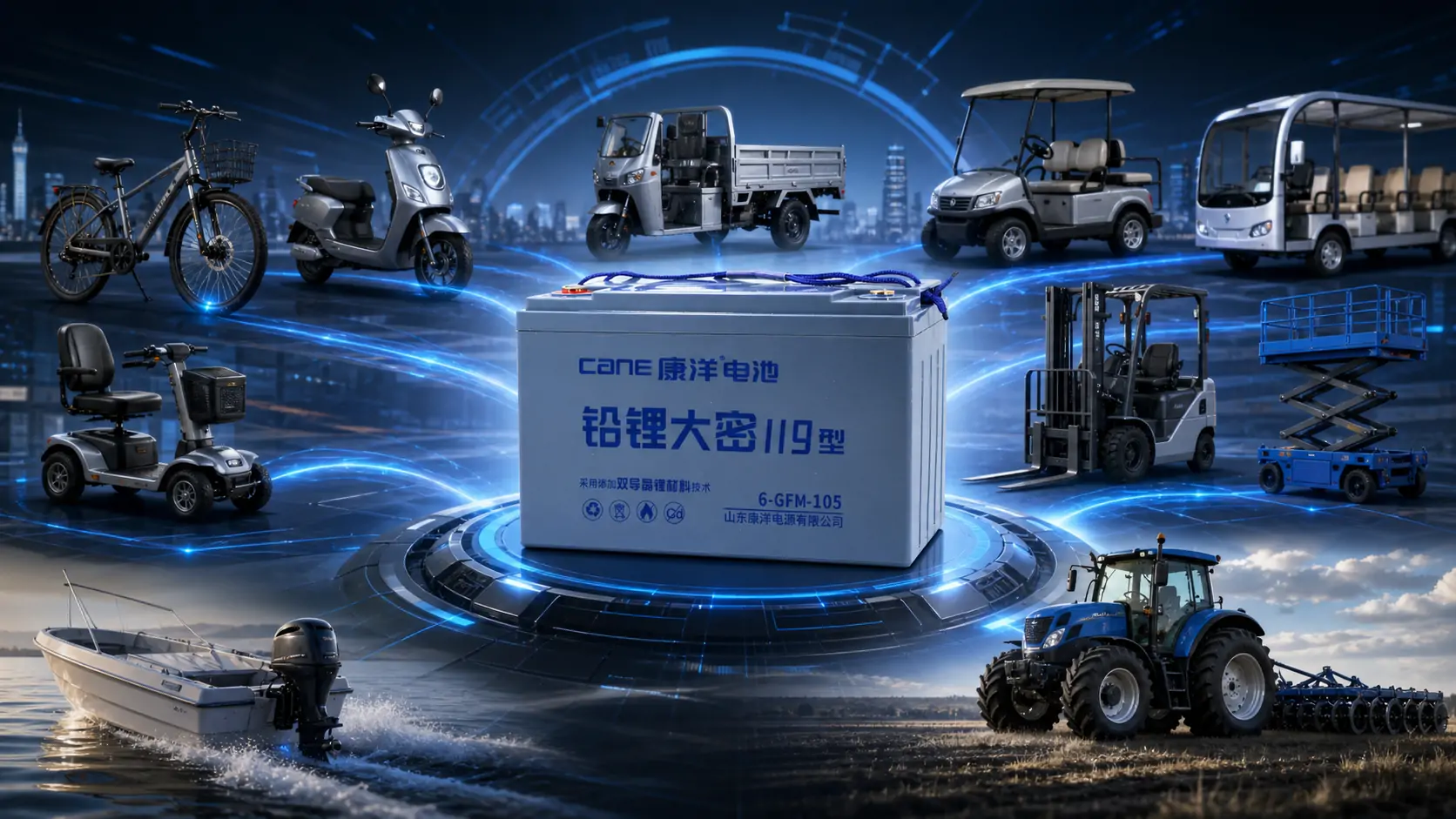
When selecting a 12V battery for small electric vehicles or backup power applications, understanding the fundamentals of lead acid technology helps you make a cost-effective and reliable choice. This guide covers the key specifications, safety considerations, and procurement factors for 12V lead acid batteries used in low-speed EVs, UPS systems, solar storage, and emergency lighting.
Understanding 12V Lead Acid Battery Types
Lead acid batteries are available in two main configurations: flooded (wet) and sealed (valve-regulated). For small EVs and backup power, sealed types are often preferred due to maintenance-free operation and reduced risk of acid leakage.
Flooded Lead Acid Batteries
Flooded batteries require periodic water refilling and ventilation to release gases during charging. They are typically lower in upfront cost but demand more maintenance. Suitable for stationary backup applications where regular inspection is feasible.
Sealed Lead Acid Batteries (SLA / VRLA)
Sealed lead acid batteries are valve-regulated and do not require water addition. They are spill-proof and can be installed in various orientations. Two common subtypes are AGM (Absorbent Glass Mat) and Gel. AGM batteries offer higher discharge rates, making them suitable for small EV traction. Gel batteries excel in deep-cycle applications like solar backup.
Key Specifications for Small EVs and Backup Power
When evaluating a 12V battery, consider the following parameters:
- Capacity (Ah): Amp-hour rating determines runtime. For small EVs, 20Ah to 100Ah is typical. For backup power, match capacity to load and desired autonomy.
- Voltage: 12V nominal. Actual voltage ranges from ~10.5V (discharged) to ~14.4V (full charge).
- Cycle Life: Number of charge/discharge cycles before capacity drops to 80%. Deep-cycle batteries offer 300–700 cycles at 50% depth of discharge.
- Discharge Rate: C-rate indicates how fast energy can be drawn. For EV traction, a higher C-rate (e.g., 0.5C to 1C) is needed. For backup, lower rates suffice.
- Operating Temperature: Most lead acid batteries perform best between 20°C and 25°C. Extreme temperatures reduce capacity and lifespan.
Charger Matching and Safety
Using the correct charger is critical for battery longevity. A 12V lead acid battery requires a charger with a bulk voltage of ~14.4V to 14.7V and a float voltage of ~13.5V to 13.8V. Overcharging causes water loss and plate corrosion; undercharging leads to sulfation.
For sealed batteries, use a charger with temperature compensation and automatic shut-off. Always follow manufacturer guidelines for charging current (typically 10% to 20% of battery capacity in amps).
Procurement Considerations for OEM and Wholesale Buyers
When sourcing 12V lead acid batteries for your product line or distribution, evaluate suppliers based on:
- Consistency: Request batch test reports for capacity, internal resistance, and voltage uniformity.
- Certifications: While we do not list specific certifications here, ensure the supplier complies with relevant safety and transport regulations.
- Packaging: Proper terminal protection and acid-proof packaging reduce damage during shipping.
- Lead Time: Confirm production and delivery schedules, especially for custom terminal or label requirements.
- Price Factors: Battery pricing depends on raw material costs (lead, acid, plastic), capacity, and order volume. Request quotes based on your specific Ah and quantity.
Frequently Asked Questions
What is the difference between a starting battery and a deep-cycle 12V battery?
A starting battery delivers high current for a short time to start an engine, while a deep-cycle battery provides steady power over a longer period. For small EVs and backup power, always choose a deep-cycle 12V lead acid battery.
Can I use a 12V lead acid battery for solar backup?
Yes, sealed lead acid batteries are commonly used in solar backup systems. Gel or AGM deep-cycle types are recommended because they handle partial state-of-charge operation better than flooded batteries.
How long does a 12V lead acid battery last in backup power?
Lifespan depends on depth of discharge, temperature, and charging quality. Under typical conditions, a well-maintained deep-cycle battery lasts 3 to 5 years in backup service. Frequent deep discharges shorten cycle life.
What should I check when buying 12V batteries in bulk?
Verify capacity consistency across units, terminal type (e.g., F1, F2, or bolt-on), and physical dimensions to fit your enclosure. Request a sample for testing before placing a large order. Also confirm the supplier’s warranty terms and return policy.
Leave a Reply