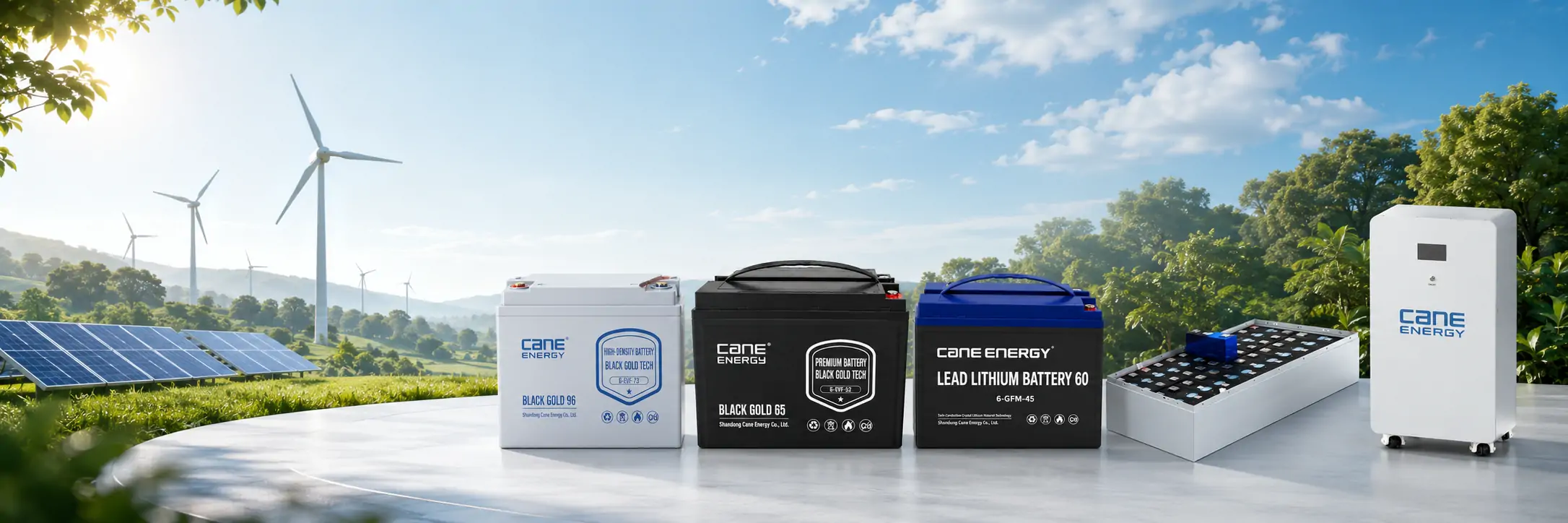
Choosing the right electric rickshaw battery is a critical decision for fleet operators, OEMs, and distributors. This guide covers the key factors to consider when sourcing e rickshaw batteries, including chemistry types, voltage and capacity specifications, safety features, and charger compatibility. Whether you are evaluating lead acid or LiFePO4 options, understanding these parameters will help you make an informed procurement decision.
Understanding Electric Rickshaw Battery Basics
Electric rickshaws, commonly known as e-rickshaws, typically operate on a 48V or 60V electrical system. The battery pack is the most expensive component and directly affects vehicle range, payload capacity, and total cost of ownership. The two main battery chemistries used are lead acid and lithium iron phosphate (LiFePO4). Each has distinct advantages and trade-offs in terms of cycle life, weight, energy density, and upfront cost.
Lead Acid vs LiFePO4: Key Differences
Lead Acid Batteries
Lead acid batteries are the traditional choice for e-rickshaws due to their lower initial cost and widespread availability. They are typically available in capacities ranging from 100Ah to 150Ah at 12V, configured in series to achieve the required system voltage. However, lead acid batteries have a shorter cycle life (typically 300–500 cycles at 80% depth of discharge), are heavy, and require regular maintenance such as water topping and terminal cleaning.
LiFePO4 Batteries
Lithium iron phosphate (LiFePO4) batteries are gaining popularity for e-rickshaw applications because of their longer cycle life (2,000–5,000 cycles), lighter weight (about one-third of lead acid), and higher energy density. They also offer better performance in high-temperature conditions and require no maintenance. The higher upfront cost is offset by lower total cost of ownership over the battery’s lifespan. Typical capacities for e-rickshaw LiFePO4 packs range from 60Ah to 120Ah at 48V or 60V.
Key Specifications to Evaluate
When comparing electric rickshaw batteries, focus on the following parameters:
- Voltage (V): Ensure the battery pack voltage matches the vehicle’s motor controller. Common voltages are 48V and 60V.
- Capacity (Ah): Higher Ah ratings provide longer range but increase weight and cost. Typical capacities range from 100Ah to 150Ah for lead acid and 60Ah to 120Ah for LiFePO4.
- Cycle Life: Check the manufacturer’s rated cycles at a specified depth of discharge (DoD). LiFePO4 batteries generally offer 2,000+ cycles at 80% DoD, while lead acid offers 300–500 cycles.
- Weight: Lighter batteries improve vehicle efficiency and payload. LiFePO4 packs are significantly lighter than lead acid equivalents.
- Operating Temperature Range: E-rickshaws often operate in hot climates. LiFePO4 performs well up to 60°C, while lead acid capacity declines above 40°C.
- BMS (Battery Management System): For LiFePO4, a built-in BMS is essential for overcharge, over-discharge, and short-circuit protection. Lead acid batteries typically do not include a BMS.
Charger Matching and Safety
Using the correct charger is critical for battery longevity and safety. Lead acid batteries require a constant voltage/constant current (CV/CC) charger with a specific absorption voltage (typically 14.4V–14.8V per 12V module). LiFePO4 batteries require a charger with a lower absorption voltage (around 14.2V–14.6V per 12V module) and a profile that prevents overcharging. Never interchange chargers between chemistries. Always verify that the charger’s output voltage and current are compatible with the battery’s specifications.
Procurement Checks for Buyers and Distributors
When sourcing electric rickshaw batteries for OEM or wholesale projects, consider the following:
- Certifications: Request documentation for relevant safety and performance standards (e.g., UN38.3 for lithium batteries, IEC 60254 for lead acid traction batteries).
- Sample Testing: Always test samples under real-world conditions before placing bulk orders. Evaluate range, charging time, and temperature performance.
- Supplier Reliability: Assess the manufacturer’s production capacity, lead times, and after-sales support. Ask about warranty terms and return policies.
- Packaging and Logistics: Ensure batteries are packaged according to dangerous goods regulations, especially for lithium batteries. Confirm shipping costs and delivery timelines.
- Price Factors: Battery prices vary based on chemistry, capacity, brand, and order volume. LiFePO4 batteries have higher upfront cost but lower per-cycle cost. Lead acid batteries are cheaper initially but require more frequent replacement.
Frequently Asked Questions
What is the average lifespan of an electric rickshaw battery?
The lifespan depends on the battery chemistry and usage. Lead acid batteries typically last 1–2 years with proper maintenance, while LiFePO4 batteries can last 5–8 years or more, depending on cycle count and depth of discharge.
Can I replace a lead acid battery with a LiFePO4 battery in my e-rickshaw?
Yes, but you must ensure the voltage matches and the charger is compatible. LiFePO4 batteries require a specific charger profile. You may also need to adjust the motor controller settings if the battery management system communicates with the vehicle.
How do I choose the right capacity for my e-rickshaw battery?
Consider your daily driving distance, average speed, and payload. A higher capacity (Ah) provides longer range but adds weight and cost. Calculate your energy consumption per kilometer and select a battery that meets your range requirements with a safety margin of 20–30%.
What safety features should I look for in an e-rickshaw battery?
For LiFePO4 batteries, ensure the battery includes a BMS with overcharge, over-discharge, short-circuit, and temperature protection. For lead acid batteries, look for flame-retardant casing and vent caps that prevent acid leakage. Always follow the manufacturer’s installation and charging guidelines.
Leave a Reply