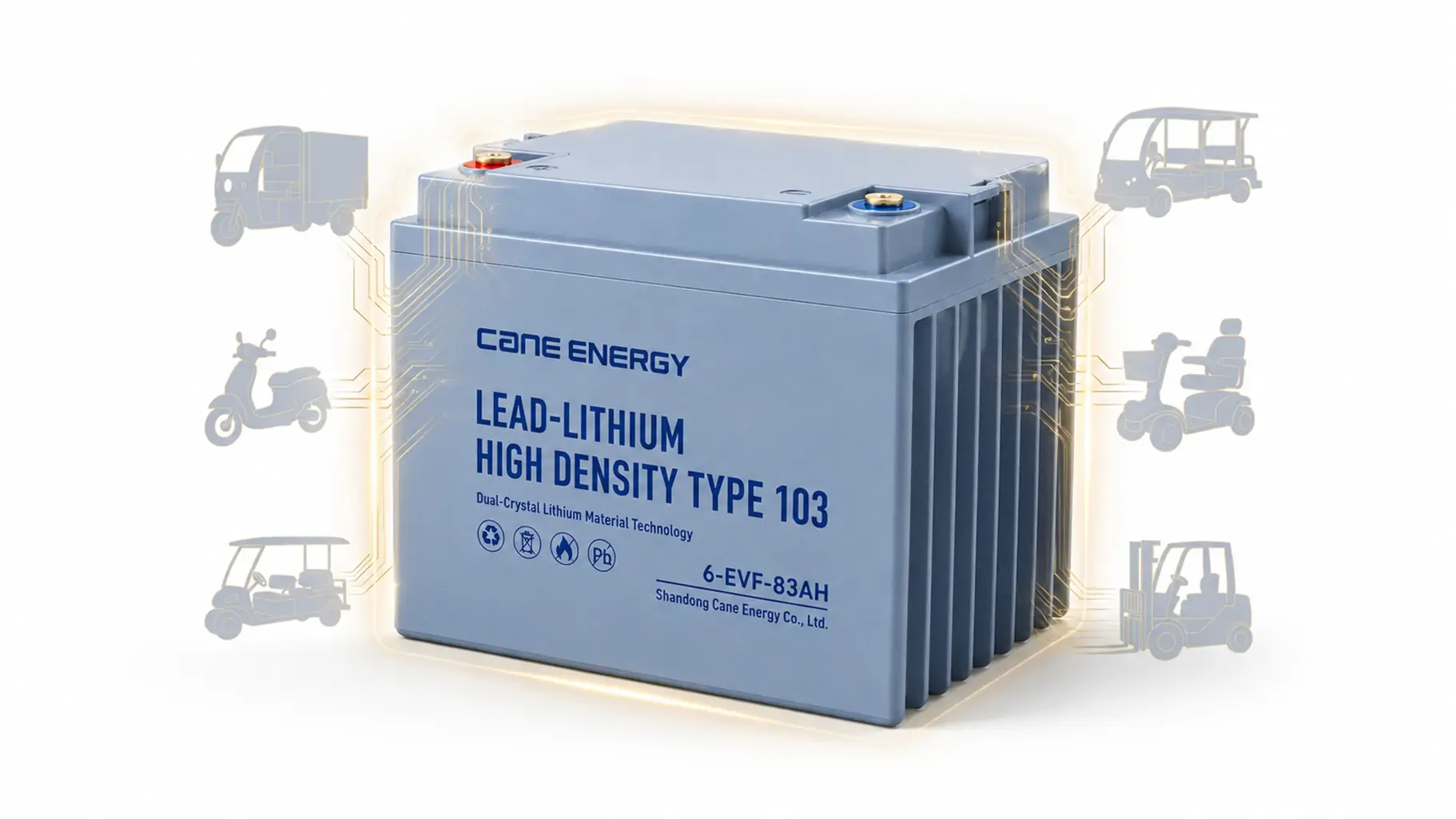
When selecting a 12V AGM battery for industrial, commercial, or renewable energy projects, understanding the technical specifications and application requirements is essential. This guide provides practical information for battery buyers, distributors, and OEM/ODM partners evaluating AGM 12V battery options.
What Is a 12V AGM Battery?
An AGM (Absorbent Glass Mat) battery is a type of valve-regulated lead-acid (VRLA) battery. The electrolyte is absorbed in a fiberglass mat, making the battery spill-proof and maintenance-free. A 12V AGM battery delivers reliable power for applications such as UPS systems, solar storage, medical equipment, security systems, and recreational vehicles.
Key Specifications to Evaluate
When comparing 12v battery options, consider these parameters:
- Capacity (Ah): Ranges typically from 7Ah to 250Ah. Choose based on load and runtime requirements.
- Voltage: Nominal 12V; open-circuit voltage of a fully charged unit is about 12.8V to 13.0V.
- Cycle life: Deep-cycle AGM batteries can deliver 300–700 cycles at 50% depth of discharge (DoD).
- Operating temperature: Most AGM batteries perform best between -20°C and 50°C.
- Self-discharge rate: Typically 2–3% per month at 25°C, lower than flooded batteries.
Deep Cycle AGM vs. Starting AGM
Not all deep cycle agm batteries are the same. A deep-cycle AGM is designed for repeated discharge and recharge, making it suitable for solar and backup power. A starting AGM delivers high burst current for engine cranking but has limited cycle life. Confirm the intended duty cycle before purchasing.
Charger Compatibility
Using the correct charger is critical for AGM 12V battery longevity. AGM batteries require a charging voltage of 14.4V to 14.7V (bulk stage) and a float voltage of 13.5V to 13.8V. Avoid chargers designed for flooded batteries without AGM settings, as overvoltage can damage the mat structure. Smart chargers with AGM profiles are recommended.
Safety and Handling
AGM batteries are sealed and emit minimal gas under normal operation, but proper ventilation is still advised. Do not install in airtight enclosures. Avoid short circuits, physical damage, and charging above the recommended voltage. Always use insulated tools and follow local regulations for battery disposal.
Procurement Considerations for Wholesale Buyers
When sourcing 12v agm battery units for OEM or distribution, evaluate the following:
- Manufacturing consistency: Request capacity and voltage test reports from sample batches.
- Terminal types: Common options include F1, F2, M5, M6, and M8 threaded posts.
- Packaging: Ensure batteries are shipped with terminal protectors and adequate cushioning.
- Certifications: While specific certifications vary by region, ask about compliance with relevant safety and transport standards.
Price Factors
The price of a 12V AGM battery depends on capacity, brand, terminal configuration, and order volume. Higher capacity and deep-cycle rated models generally cost more. For accurate pricing, request quotes based on your specific Ah requirement and annual volume. Compare multiple suppliers and consider total cost of ownership, including cycle life and warranty terms.
What is the difference between AGM and gel batteries?
AGM batteries use a fiberglass mat to hold the electrolyte, while gel batteries use a silica-based gel. AGM typically offers lower internal resistance and better high-current performance, making it suitable for UPS and solar applications. Gel batteries are more tolerant of deep discharges but have lower peak current capability.
Can I use a 12V AGM battery for solar storage?
Yes, deep cycle agm batteries are commonly used in off-grid and backup solar systems. They handle repeated cycling well and require no watering. Ensure your charge controller has an AGM profile to optimize charging voltage and prolong battery life.
How long does a 12V AGM battery last?
Service life depends on depth of discharge, temperature, and charging practices. At 50% DoD, a quality AGM battery may deliver 300 to 700 cycles. In float service (e.g., UPS), lifespan can reach 5 to 10 years. Avoid deep discharges below 80% DoD to maximize cycle life.
What should I check when buying AGM batteries wholesale?
Verify the rated capacity (Ah), terminal type, physical dimensions, and cycle life specification. Request a sample for testing under your load profile. Confirm packaging standards and shipping terms. Ask about batch consistency and whether the supplier provides technical support for OEM integration.
Leave a Reply