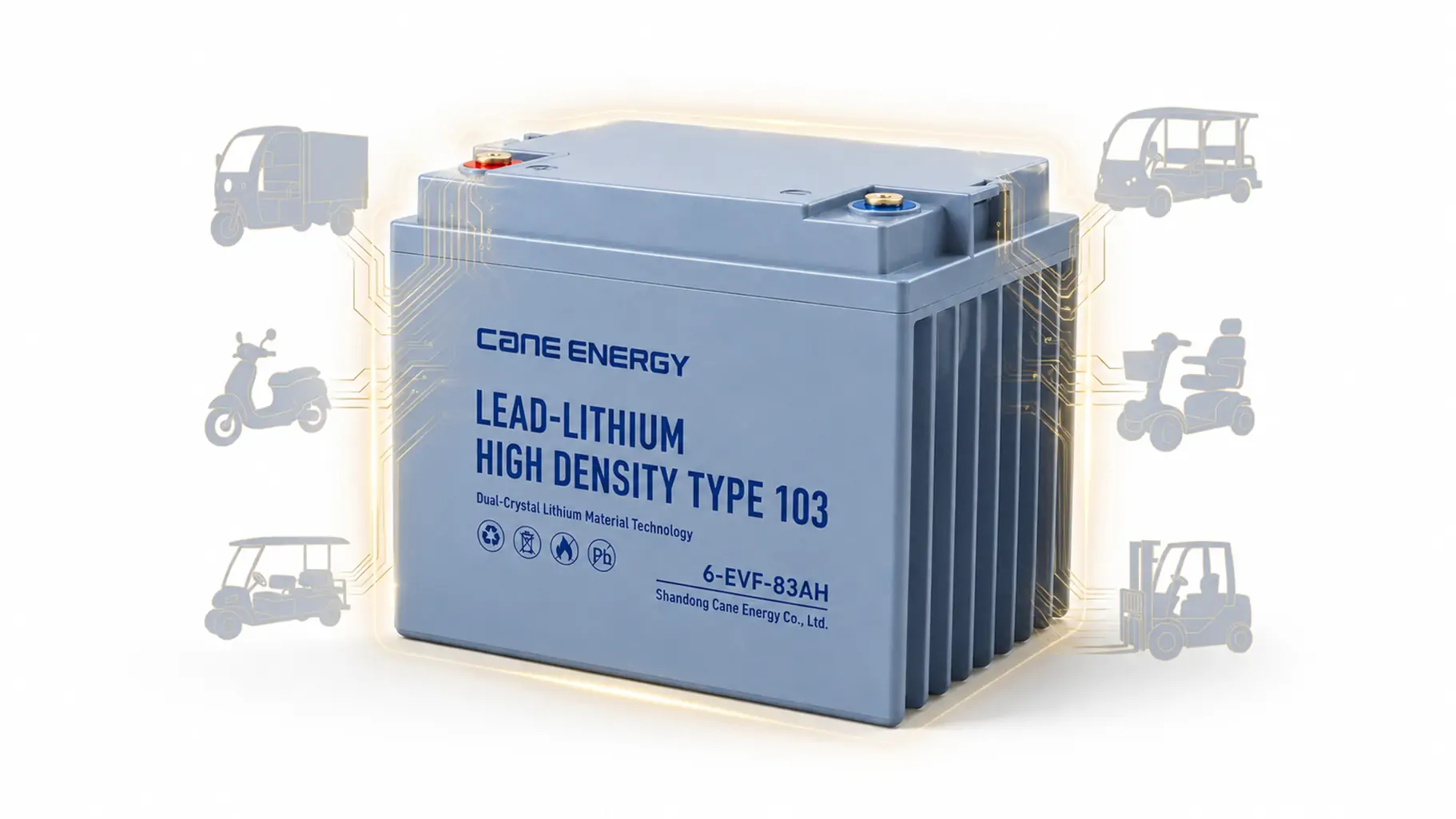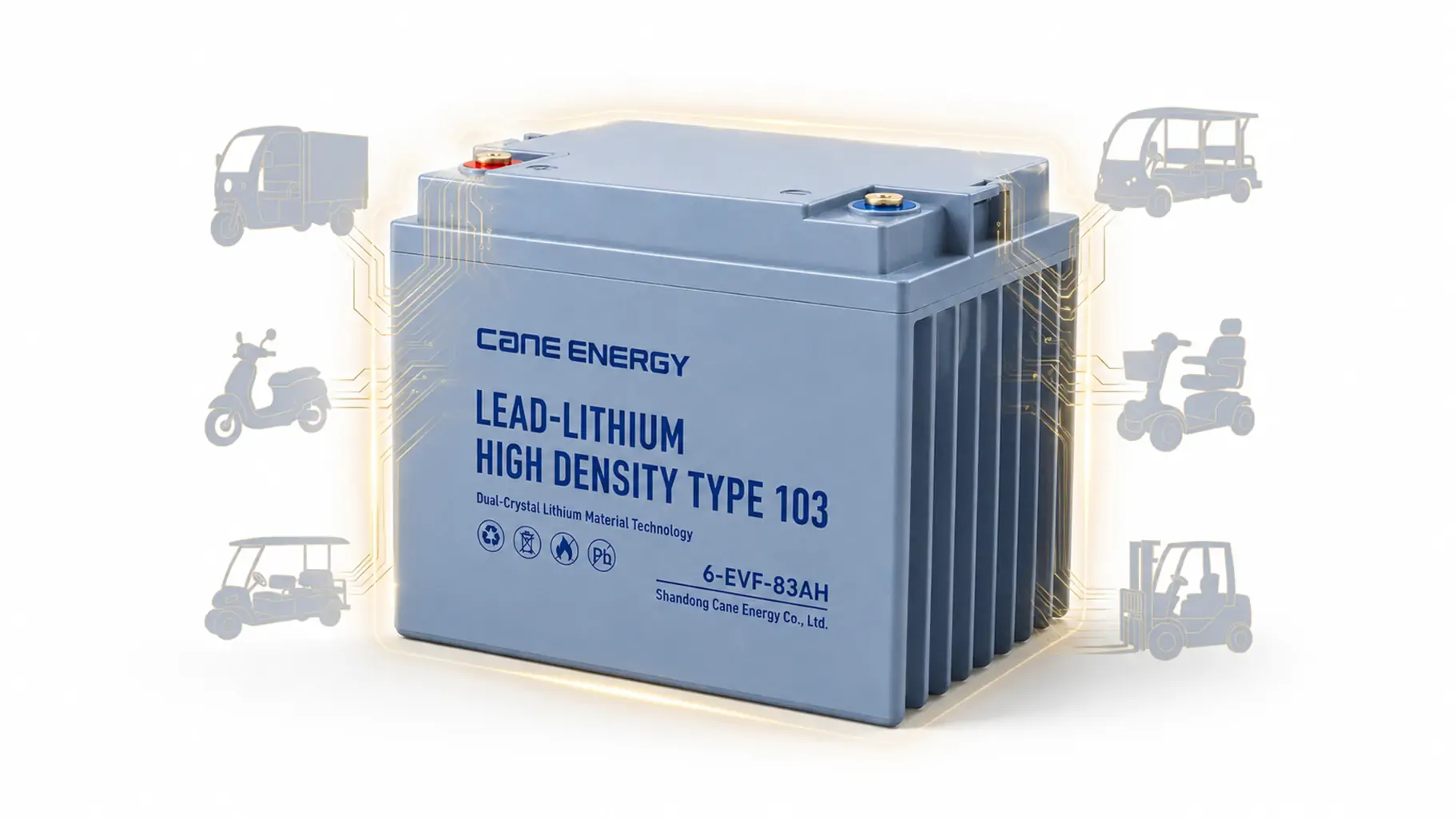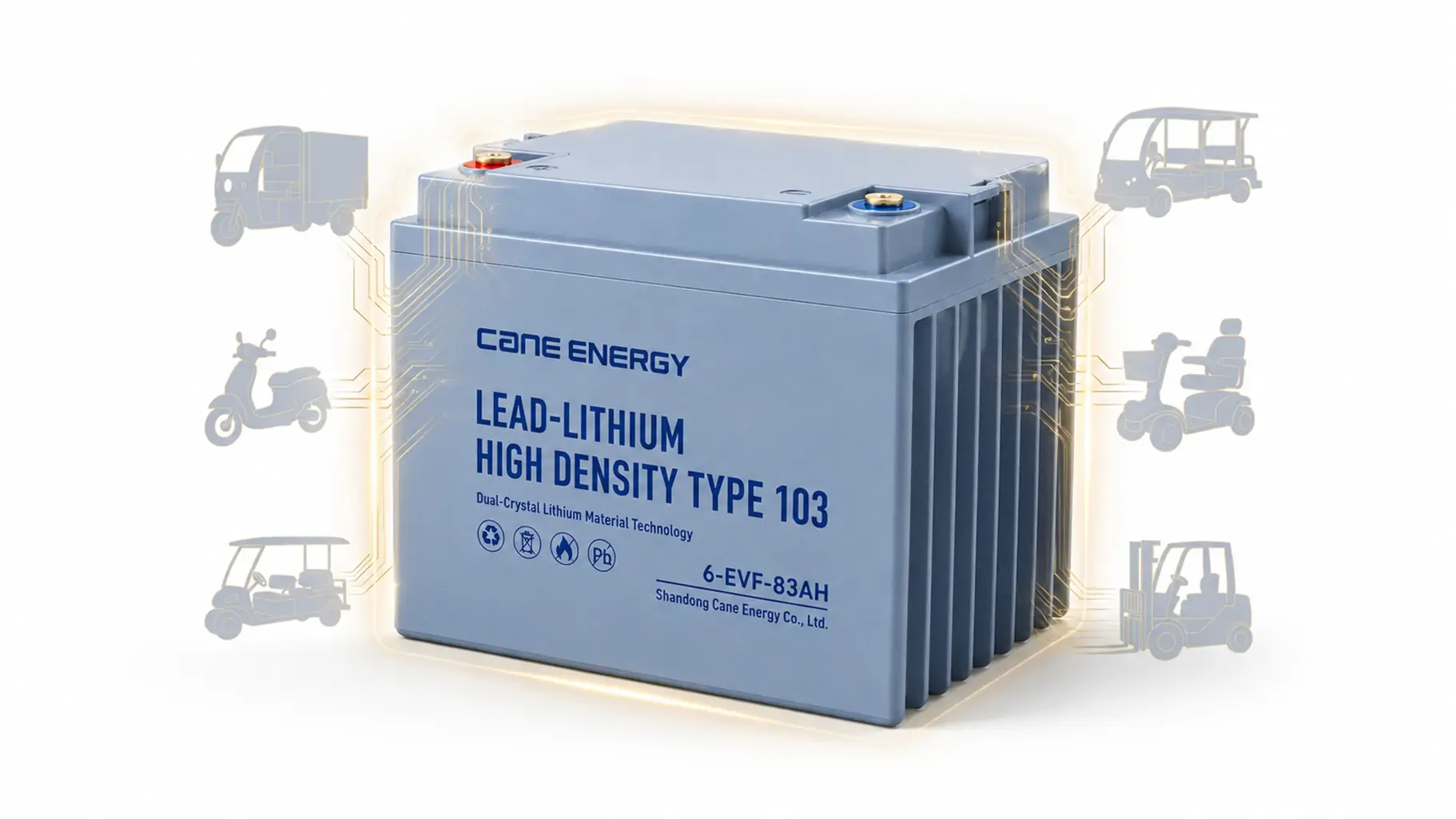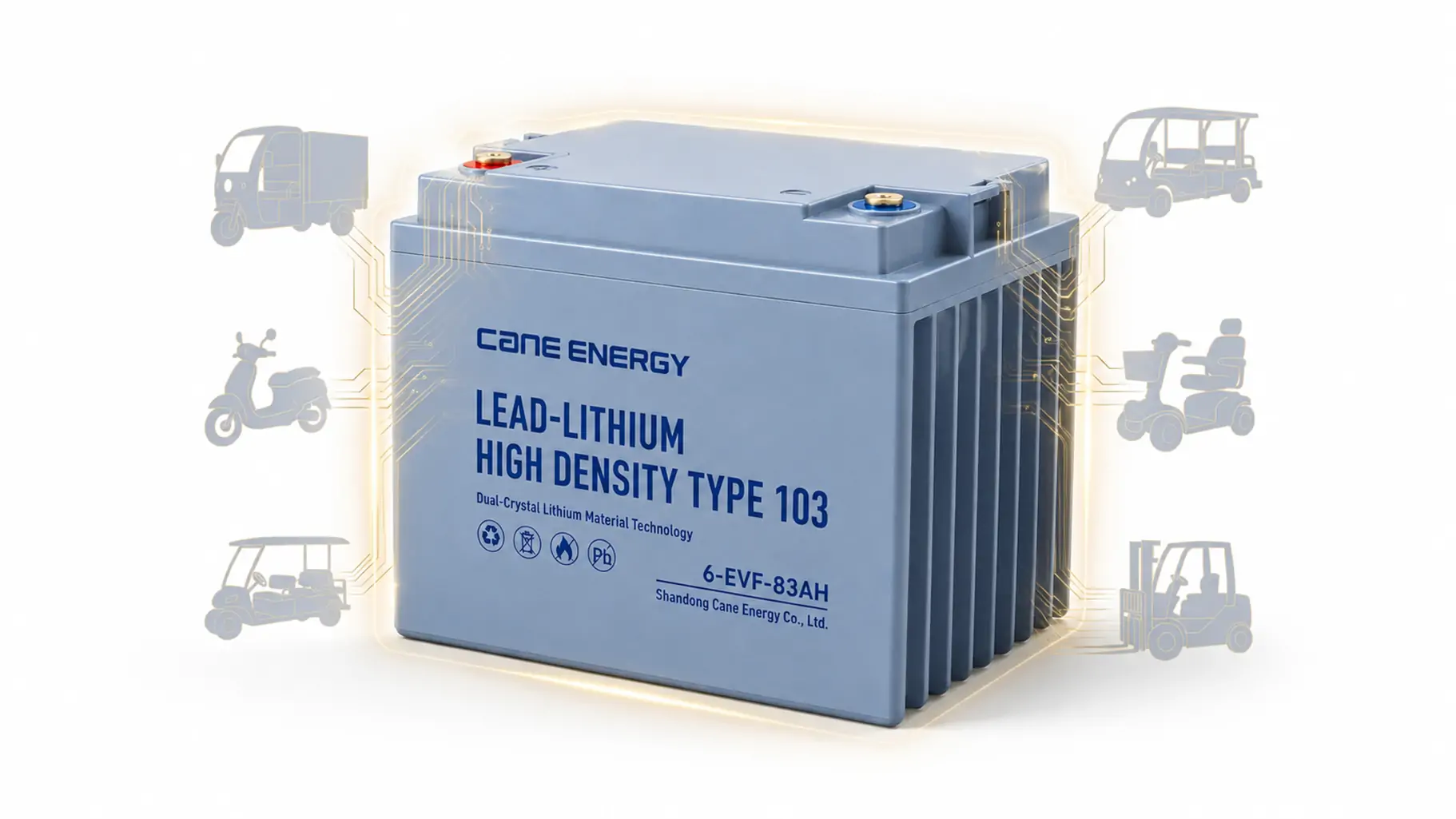
AGM (Absorbent Glass Mat) batteries are widely used in backup power, renewable energy, and motive power applications because of their sealed, maintenance-free design. A common question from buyers and installers is: do AGM batteries need to be vented? The short answer is that AGM batteries are designed to be safer than flooded lead-acid batteries, but proper ventilation is still recommended under certain conditions. This article provides technical specifications, safety checks, and procurement guidance for OEM and wholesale partners.
Understanding AGM Battery Construction
AGM batteries use a fiberglass mat to absorb the electrolyte, making them spill-proof and resistant to vibration. They are classified as Valve-Regulated Lead-Acid (VRLA) batteries. The key feature is a pressure relief valve that opens only under overcharge or fault conditions to release excess gas. Under normal operation, the battery recombines oxygen and hydrogen internally, minimizing gas emission.
Do AGM Batteries Need Ventilation?
In most standard installations, AGM batteries do not require forced ventilation because the gas recombination efficiency exceeds 99%. However, the following factors determine whether ventilation is necessary:
- Charging voltage: If the charger exceeds the manufacturer’s recommended voltage (typically 14.4–14.8V for a 12V AGM), overcharging can generate hydrogen and oxygen that the valve must release.
- Enclosure size: In a small, sealed enclosure, even minimal gas release can accumulate. A vent opening or passive vent is advised.
- Temperature: High ambient temperature increases internal pressure and may cause the valve to open more frequently.
- Battery bank size: Large banks with multiple batteries in series or parallel may produce more cumulative gas during equalization or fault conditions.
Industry standards such as IEC 62485-2 and EN 50272-2 provide ventilation calculation formulas based on battery capacity and charging parameters. For most AGM installations, a simple passive vent to the outside is sufficient.
Safety Checks for AGM Battery Installation
When sourcing AGM batteries for OEM or distribution projects, verify these safety aspects:
- Valve operation: Ensure the pressure relief valve is intact and not blocked. A blocked valve can cause case bulging or rupture.
- Charger compatibility: Use a charger with a temperature-compensated AGM profile. Overvoltage is the primary cause of gas release.
- Mounting orientation: AGM batteries can be mounted in any orientation except inverted. Ensure the valve remains accessible.
- Ventilation path: If installed in a cabinet, provide at least one vent opening near the top to allow any released gas to escape.
Procurement Considerations for Wholesale Buyers
When evaluating AGM battery suppliers, consider these specification ranges and checks:
- Capacity range: Common AGM batteries range from 1.2Ah to 200Ah for single cells. Larger banks use series/parallel configurations.
- Voltage options: 2V, 6V, 12V, and custom voltages for OEM projects.
- Cycle life: Typically 200–500 cycles at 50% depth of discharge, depending on design.
- Certification: Request documentation for UL, CE, or IEC compliance. Do not rely on verbal claims.
- Sample testing: Always test samples under your expected charge profile and ambient temperature before bulk order.
Frequently Asked Questions
Can AGM batteries be installed indoors without ventilation?
Yes, in most residential and commercial indoor installations, AGM batteries can be used without dedicated ventilation if the charging system is properly regulated and the enclosure has some air exchange. However, always follow local building codes and the battery manufacturer’s installation manual.
What happens if an AGM battery is overcharged?
Overcharging causes the pressure relief valve to open, releasing hydrogen and oxygen. This reduces the electrolyte volume and can permanently damage the battery. In extreme cases, thermal runaway may occur. Use a charger with an AGM-specific profile and automatic shutoff.
Do AGM batteries need a vented battery box?
Not necessarily. A standard battery box with a small vent opening is sufficient for most AGM installations. A sealed box is not recommended because it can trap gas. If the box is in a living space, ensure it is vented to the outside.
How do I know if my AGM battery is gassing?
Signs of gassing include a sulfur smell (rotten eggs), bulging case, or visible corrosion on terminals. If you notice these, stop charging immediately and check the charger voltage and battery health. Replace the battery if the case is deformed.