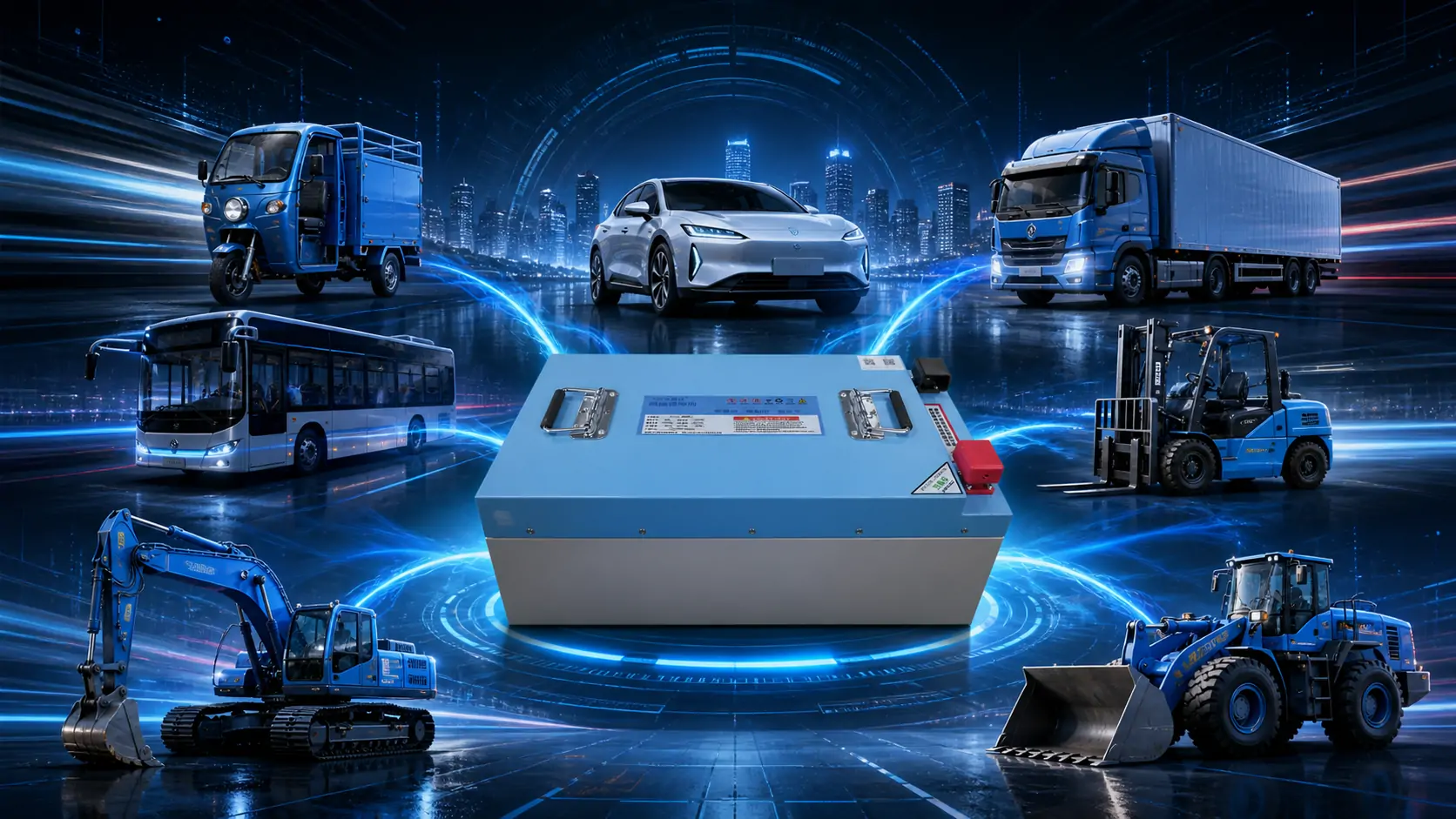
Lithium iron phosphate (LFP) chemistry has become a preferred choice for home energy storage due to its thermal stability, long cycle life, and consistent performance. This guide covers the key technical and procurement considerations for buyers, distributors, and OEM/ODM partners evaluating LFP battery home storage solutions.
Why LFP for Home Energy Storage
LFP batteries offer several advantages over other lithium-ion chemistries. They have a lower energy density than NMC (nickel manganese cobalt) cells, but they provide superior safety and a longer calendar life. For stationary home storage, where weight and volume are less critical than safety and longevity, LFP is often the most cost-effective choice.
Sizing Your LFP Battery System
Proper sizing ensures your home energy storage system meets daily load requirements without overspending. Key factors include:
- Daily energy consumption: Calculate your household’s average kilowatt-hours (kWh) per day from utility bills.
- Depth of discharge (DoD): LFP batteries typically support 80–100% DoD. Use 80% for conservative sizing.
- Backup duration: Decide how many hours or days of autonomy you need during grid outages.
- Peak power: Ensure the inverter and battery can handle surge loads from appliances like refrigerators or pumps.
For example, a home using 30 kWh per day with 80% DoD and one day of backup would need a usable capacity of 30 kWh, translating to a nominal battery bank of about 37.5 kWh.
Safety Features of LFP Batteries
LFP chemistry is inherently safer than NMC or lead-acid. Key safety characteristics include:
- Thermal runaway resistance: LFP cells can withstand higher temperatures before decomposing.
- No cobalt: Eliminates risks associated with cobalt mining and thermal instability.
- Built-in BMS: A quality battery management system monitors voltage, current, temperature, and state of charge to prevent overcharge, over-discharge, and short circuits.
When sourcing LFP batteries, verify that the BMS includes cell balancing, temperature cutoffs, and communication protocols (CAN, RS485, or Modbus) compatible with your inverter.
Charger and Inverter Matching
LFP batteries require a specific charging profile: constant current (CC) until reaching the absorption voltage (typically 3.45–3.65 V per cell), then constant voltage (CV) until current drops to a termination level. Ensure your inverter or charge controller supports:
- Absorption voltage: 56–58.4 V for a 48 V nominal system.
- Float voltage: 54–55 V (some LFP batteries do not require float charging).
- Low-temperature charging cutoff: LFP cells should not be charged below 0°C to avoid damage.
Procurement Checks for OEM and Wholesale Buyers
When evaluating LFP battery suppliers, consider these factors:
- Cell grade: Grade A cells from reputable manufacturers (e.g., CATL, BYD, EVE) offer consistent capacity and cycle life.
- Cycle life rating: Look for 4,000–6,000 cycles at 80% DoD.
- Operating temperature range: Typically -20°C to 60°C discharge, 0°C to 45°C charge.
- Certifications: While we do not list specific certifications, ask for UN38.3, IEC 62619, or UL 1973 compliance documentation.
- Warranty terms: Standard warranties range from 5 to 10 years; confirm coverage for capacity degradation.
Cost Factors
LFP battery pricing depends on cell quality, BMS sophistication, enclosure type (wall-mounted, rack-mounted, or stackable), and order volume. For a typical 10–20 kWh home system, expect price variations based on:
- Cell chemistry and brand.
- BMS features (smart BMS with app monitoring vs. basic).
- Shipping and logistics (batteries are classified as dangerous goods).
- Customization for OEM projects (labeling, connectors, firmware).
Request a detailed quotation that includes all components, BMS specifications, and any additional accessories like cables or mounting brackets.
Frequently Asked Questions
What is the typical lifespan of an LFP home storage battery?
LFP batteries typically last 4,000 to 6,000 cycles at 80% depth of discharge. For a daily cycling home system, this translates to 10–15 years of service before capacity drops below 80% of the original rating.
Can I use my existing solar inverter with an LFP battery?
Most modern hybrid inverters support LFP batteries, but you must verify the charging voltage profile and communication protocol. Some inverters require a firmware update or a specific battery model to enable LFP compatibility.
How do I calculate the right battery capacity for my home?
Start with your average daily kWh consumption from utility bills. Multiply by the number of backup days you want, then divide by the depth of discharge (e.g., 0.8). Add a 10–20% safety margin for efficiency losses and future load growth.
What safety certifications should I look for when buying LFP batteries?
Key certifications include UN38.3 for transportation safety, IEC 62619 for stationary energy storage, and UL 1973 for North American installations. Always request copies of test reports from the supplier.
Leave a Reply