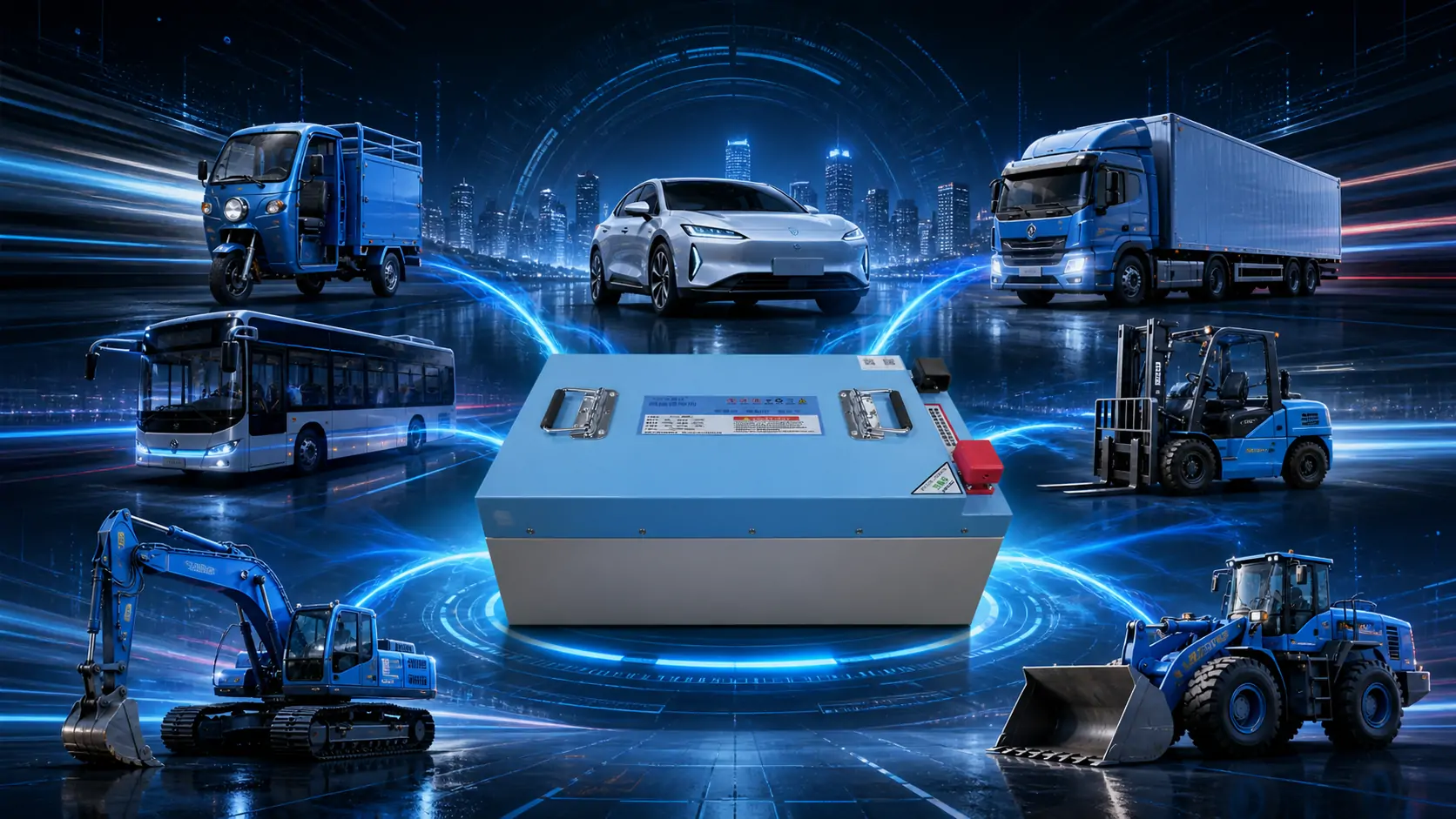
The 48V LiFePO4 battery has become a preferred power source for low-speed electric vehicles (EVs) such as golf carts, electric scooters, and neighborhood electric vehicles, as well as for residential and commercial solar storage systems. Its combination of safety, cycle life, and energy density makes it a strong alternative to traditional lead-acid batteries. This buying guide covers the essential technical specifications, safety checks, charger matching, and sourcing considerations for OEM and wholesale buyers.
Key Specifications of 48V LiFePO4 Batteries
When evaluating a 48V LiFePO4 battery, focus on the following parameters:
- Nominal Voltage: Typically 51.2V (16 cells in series) or 48V (15 cells). Confirm the exact configuration for your application.
- Capacity: Ranges from 50Ah to 200Ah for low-speed EVs and 100Ah to 300Ah for storage. Higher capacity means longer runtime.
- Continuous Discharge Current: Usually 0.5C to 1C. For example, a 100Ah battery may support 50A to 100A continuous discharge.
- Peak Discharge Current: Important for motor startup. Look for 2C to 3C for short bursts.
- Cycle Life: LiFePO4 cells typically offer 2,000 to 5,000 cycles at 80% depth of discharge (DoD).
- Operating Temperature Range: Charge from 0°C to 45°C, discharge from -20°C to 60°C.
Safety and Protection Features
A quality 48V LiFePO4 battery should include a Battery Management System (BMS) that provides:
- Over-voltage and under-voltage protection
- Over-current and short-circuit protection
- Temperature monitoring and cutoff
- Cell balancing (active or passive)
Always verify that the BMS is rated for your expected load and that the battery casing meets IP65 or higher for outdoor or vehicle use.
Charger Matching and Compatibility
Using the correct charger is critical for safety and longevity. For a 48V LiFePO4 battery:
- Use a dedicated LiFePO4 charger with a constant current/constant voltage (CC/CV) profile.
- Charging voltage should be around 58.4V (3.65V per cell) for 16S configurations.
- Charging current should not exceed 0.5C unless specified by the manufacturer.
- Avoid using lead-acid chargers, as they may overcharge or damage LiFePO4 cells.
Applications: Low-Speed EVs and Solar Storage
Low-Speed Electric Vehicles
48V LiFePO4 batteries are widely used in golf carts, electric scooters, and utility vehicles. They provide consistent power output, lighter weight compared to lead-acid, and longer cycle life. When selecting a battery for an EV, consider the motor controller’s voltage range and the physical dimensions of the battery compartment.
Solar Energy Storage
For off-grid or grid-tied solar systems, a 48V LiFePO4 battery bank offers high round-trip efficiency (typically 95% or higher) and deep cycling capability. Ensure the battery is compatible with your inverter’s voltage range and that the BMS supports communication protocols like CAN or RS485 if needed.
Price Factors and Procurement Checks
The price of a 48V LiFePO4 battery depends on several factors:
- Cell Grade: Grade A cells from reputable manufacturers command a premium but offer better consistency and cycle life.
- Capacity and Configuration: Higher capacity and custom voltage configurations increase cost.
- BMS Quality: Advanced BMS with Bluetooth monitoring or active balancing adds to the price.
- Certifications: Batteries with UL, CE, or UN38.3 certifications may cost more but ensure safety and compliance.
When sourcing, request detailed datasheets, test reports, and sample units for validation. Compare specifications rather than price alone.
Frequently Asked Questions
What is the lifespan of a 48V LiFePO4 battery?
LiFePO4 batteries typically last 2,000 to 5,000 cycles at 80% depth of discharge. Actual lifespan depends on usage patterns, charging habits, and operating temperature. With proper care, a 48V LiFePO4 battery can serve 5 to 10 years in most applications.
Can I replace my lead-acid battery with a 48V LiFePO4 battery?
Yes, in most cases. Ensure the physical dimensions fit your battery compartment and that your charger is compatible with LiFePO4 chemistry. You may also need to adjust the charge controller settings if used in a solar system.
How do I choose the right capacity for my low-speed EV?
Calculate your average daily energy consumption in watt-hours (voltage × amp-hours). For example, a golf cart using 1.5 kWh per day would need a battery with at least 30Ah at 48V (1,440 Wh) to cover one day of use. Always add a safety margin of 20-30%.
What safety certifications should I look for?
Look for UN38.3 (transport safety), UL 1973 or IEC 62619 (stationary storage), and CE marking for European markets. These certifications indicate the battery has passed rigorous testing for electrical, thermal, and mechanical safety.
Leave a Reply