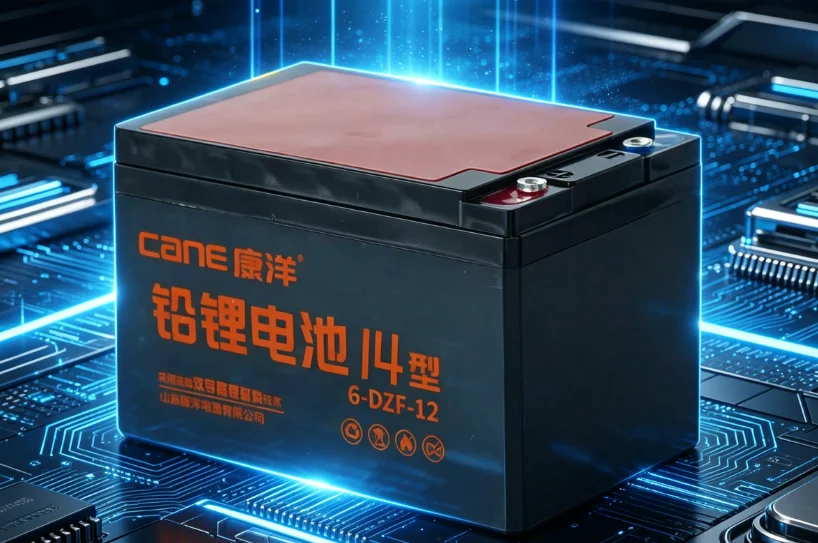
Tag: Lead-Lithium Batteries

  • Electric Bike Range Issues? Cane Energy Lead-Lithium Batteries Offer Longer Lasting Power

    Electric Bike Range Issues? Cane Energy Lead-Lithium Batteries Offer Longer Lasting Power

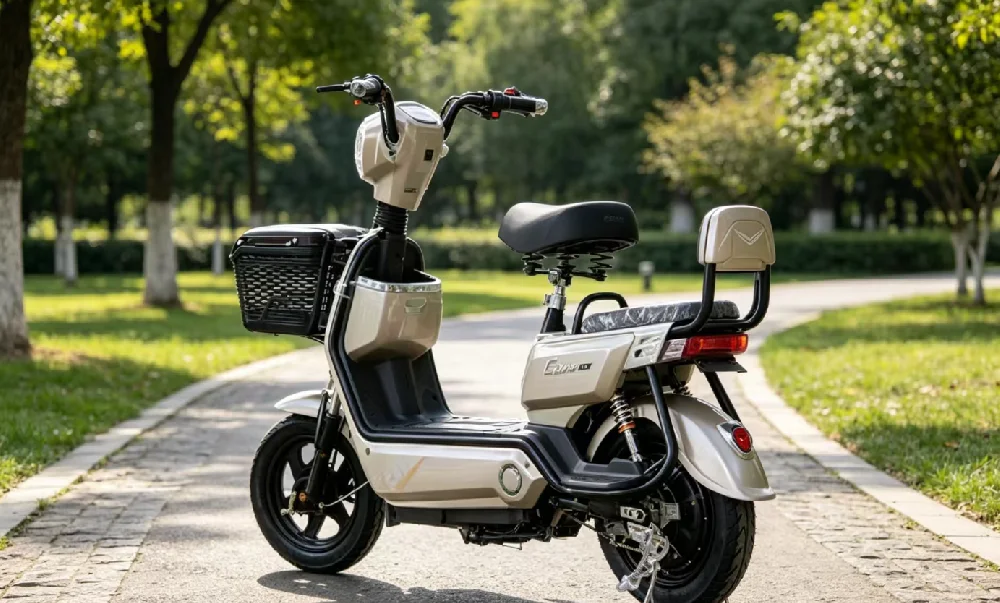
    In daily travel, electric bikes and electric tricycles have become common means of transportation for many families. Whether commuting to work, picking up children, grocery shopping, or hauling goods, working in fields, or going to markets, a reliable electric vehicle makes life and work more convenient. However, many people encounter similar issues: the battery drains quickly even when fully charged, power is weak on uphill sections, range shrinks significantly in cold weather, and battery performance declines over time, requiring frequent charging and causing anxiety about running out of power mid-journey.

    These problems are closely related to battery performance. As the core component of an electric vehicle, the battery directly affects range, power, and lifespan. Batteries of average quality often suffer from range degradation and unstable charging after a period of use, impacting the user experience and potentially increasing replacement costs. Choosing a well-matched, reliable battery helps reduce travel troubles from the start.

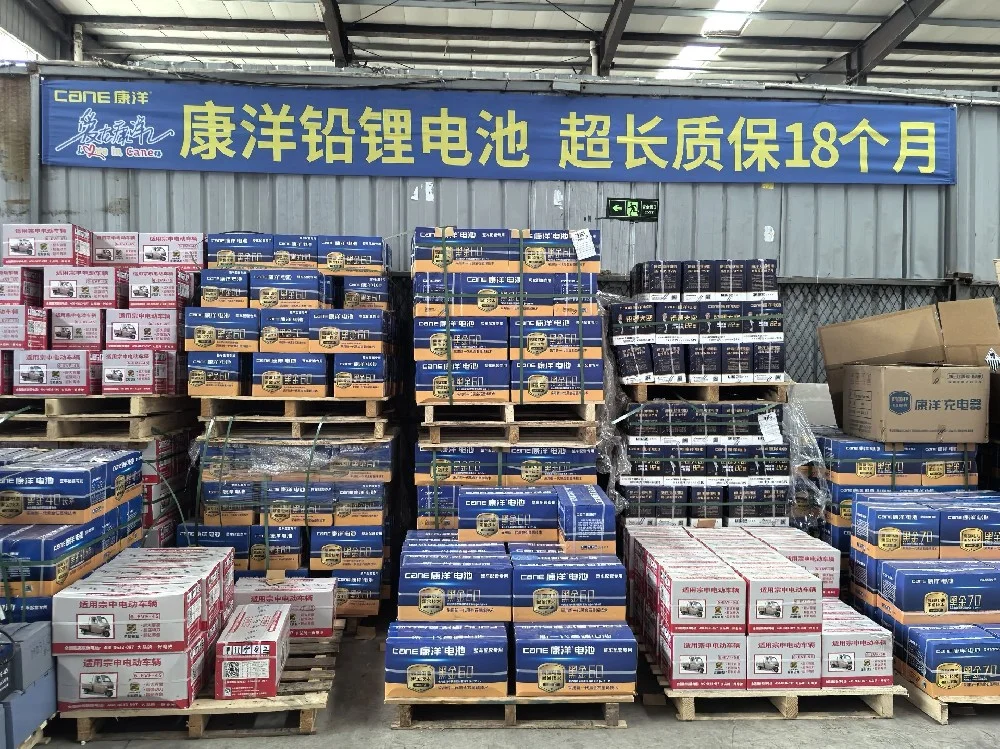
    Cane Energy is a comprehensive power enterprise integrating R&D, production, and sales. For years, it has focused on the development and manufacturing of lead-lithium power sources, creating lead-lithium battery products with strong adaptability and stable operation for different vehicle types such as two-wheeled and three-wheeled electric vehicles. Based on actual user needs, we continuously optimize range, safety, durability, and service, striving to provide worry-free travel solutions for all vehicle owners.

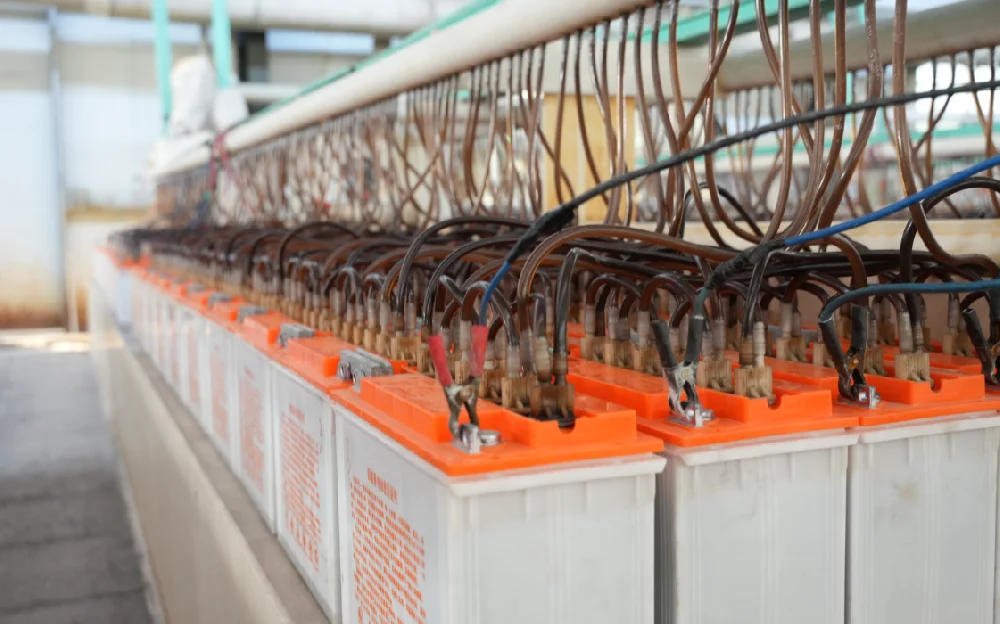
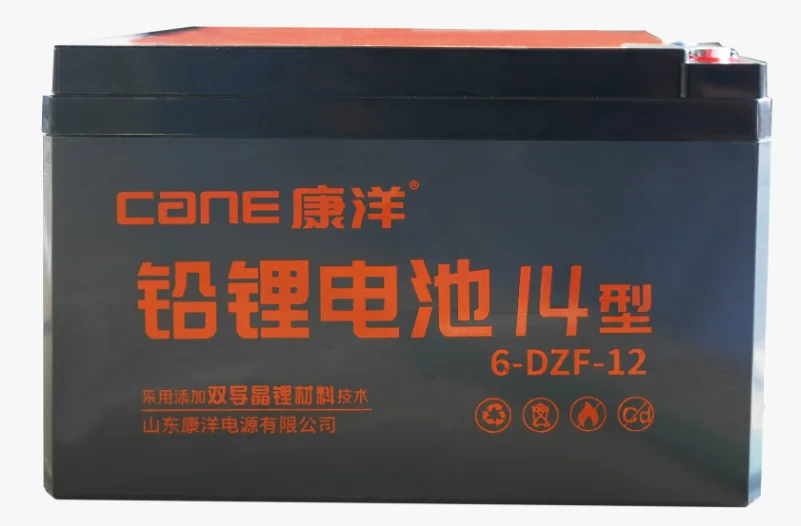
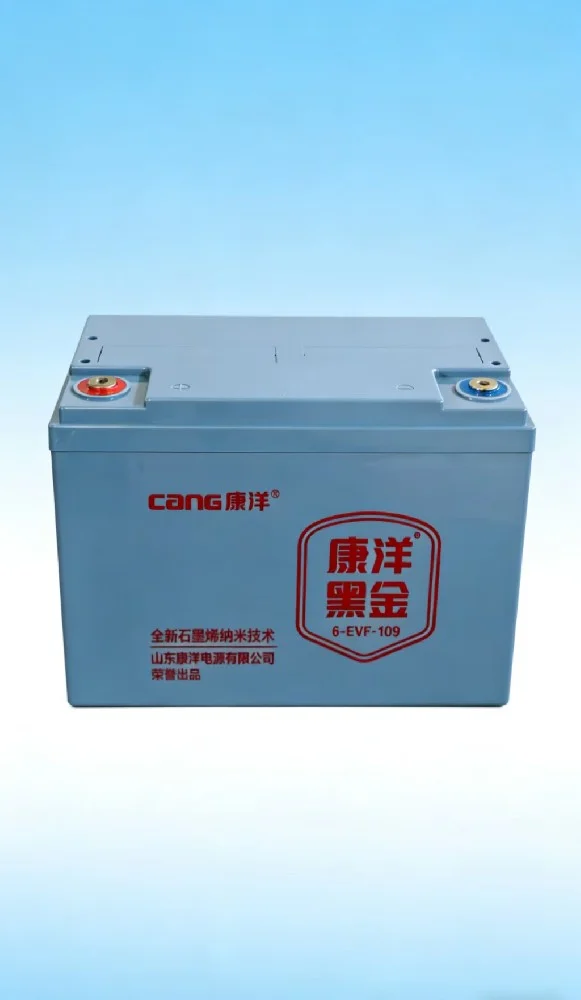
    Cane Energy lead-lithium batteries combine the stable characteristics of lead-acid batteries with the performance features of lithium batteries, achieving a good balance between energy density, charge-discharge efficiency, and service life. The products use mature production processes and strict quality control, from raw material selection and cell matching to structural assembly and factory testing, ensuring minimal performance degradation over long-term use. For high-frequency daily users, improved durability reduces replacement frequency and offers greater economy.

    Range is a key factor for users when choosing a battery. Through optimized cell ratios and stable discharge design, Cane Energy lead-lithium batteries deliver lasting range performance, alleviating mileage anxiety. Daily commutes no longer require frequent charging stops, and picking up children or running errands becomes more reassuring. For users engaged in operations or hauling, stable range enhances work efficiency and reduces inconvenience from power loss. Whether on flat urban roads or sloped rural paths, the battery maintains stable power output for a smoother ride.

    Safety is a fundamental aspect of product R&D and production. Cane Energy lead-lithium batteries feature multiple built-in safety protection structures that ensure stable operation and reduce risks in scenarios such as overcharging, over-discharging, short circuits, and abnormal temperatures. The robust battery casing and well-designed heat dissipation make daily riding and charging safer, suitable for long-term use by families and businesses.

    Quality products are backed by attentive service. Cane Energy adheres to a user-centric approach, building a comprehensive pre-sales, in-sales, and after-sales system. From battery model selection and installation guidance to maintenance advice, we provide timely responses and support, ensuring users not only choose the right product but also enjoy reliable protection.

    For most people, electric vehicles are not just a means of transport but a reliable assistant in life and work. A dependable battery, though unassuming, can significantly enhance daily travel experience. If you no longer want to be troubled by short range, easy power loss, or poor durability, focus on range performance, safety, durability, and after-sales service when selecting a battery.

    Cane Energy lead-lithium batteries are dedicated to solving real travel pain points, providing stable product quality, lasting range, and attentive service to safeguard every journey. They make daily commutes more worry-free, family trips safer, and operations more efficient, delivering reliable energy support for every departure.
  • New Battery First Charge: What to Pay Attention To?

    New Battery First Charge: What to Pay Attention To?

    Many friends wonder how to properly charge a new battery for the first time after replacing it in their electric vehicle. In fact, the initial use and charging method are very important and directly affect the battery’s subsequent performance and lifespan. Today, we summarize the tips for using a newly replaced battery. Let’s learn together!

    I. Don’t rush to charge a new battery

    New batteries come with some charge from the factory and during transportation. There is no need to fully charge them immediately after installation, nor should you ride until the battery is completely dead before charging.

    Recommendation: Ride normally and perform the first charge when the remaining power is about 20%–30%. This helps the battery enter a stable state.

    II. How long should the first charge be?

    Modern chargers and batteries have protection features, so overcharging is not necessary.

    • Lead-acid battery: After the charger turns green, you can continue charging for 1–2 hours. The total time should be based on when the battery is fully charged.
    • Lithium battery: When the green light is on, it indicates a full charge. Unplug the power in time.

    Remember: Stop charging once full. Avoid prolonged overcharging, as it helps reduce battery heating and bulging, extending the service life.

    III. Key points for the first charge

    1. Use a matching, genuine charger

    Different battery models have different voltage and current parameters. Using an incompatible charger may affect battery performance.

    2. Charge in a ventilated, dry, and safe environment

    Avoid charging in direct sunlight, enclosed spaces, or unsafe areas to ensure safety.

    3. Try to fully charge in one go, reducing frequent plugging and unplugging

    For the first few uses of a new battery, try to fully charge it in one session to help the battery enter a working state.

    IV. Daily use for stable range

    • For the first 3–5 charges, follow the correct method to stabilize the battery.
    • Avoid deep discharging and overcharging in daily use.
    • If not used for a long time, periodically recharge to maintain battery activity.

    A good battery depends not only on factory performance but also on long-term reliability. The first charge is just the beginning. Choosing a reliable brand ensures better range, longer life, and peace of mind in daily riding. Good usage habits combined with quality batteries make daily riding more worry-free.

    Cane Energy has long been dedicated to the electric vehicle battery field. With rigorous production processes and strict factory testing, we provide users with stable and safe battery products. Starting from actual user scenarios, we ensure product quality while sharing practical knowledge to help everyone better use and maintain batteries, making travel smoother and more reliable.

    In the future, Cane Energy will continue to accompany every user with reliable products and attentive service for safe travel!

  • How to Maintain Your EV Battery During Long-Term Storage

    How to Maintain Your EV Battery During Long-Term Storage

    With the rapid advancement of technology, electric vehicles (EVs) have entered countless homes, becoming a great helper for daily travel. However, sometimes we encounter situations where we temporarily don’t use the EV due to working away from home or extreme weather. When we want to ride it again after a period, we may find it won’t charge, has reduced range, or even affects future use. In fact, long-term storage of an EV is not a problem as long as the correct methods are followed, ensuring durability and peace of mind. Today, drawing on years of experience in EV battery manufacturing, we share some simple and easy-to-remember battery storage tips.

    1. Charge to the Right Level Before Long-Term Parking

    Batteries are most afraid of being left in a low-charge state. Whether using common lead-acid batteries or lead-lithium lead-acid batteries, pay attention to the charge level before long-term storage:

    • Lead-acid batteries: It is recommended to fully charge before storage to reduce the impact of low charge.
    • Lead-lithium lead-acid batteries: Charge to a moderate level before storage, which is more conducive to maintaining battery condition.

    Avoid storing the battery for long periods when the charge is very low, as this can affect future use and lifespan.

    2. Disconnect Unnecessary Power Drains to Ease the Battery

    Even when not in use, the EV’s circuitry consumes a small amount of power.

    • When not in use for a long time, turn off the vehicle’s main power.
    • For extended storage, safely disconnect the battery connection cables to reduce hidden power consumption.

    This allows the battery to “rest” quietly, extending its service life.

    3. Storage Environment: Cool and Dry, Avoid Direct Sunlight and Rain

    Batteries prefer a ventilated, dry, and room-temperature environment:

    • Do not place in areas exposed to prolonged direct sunlight; high temperatures are not friendly to batteries.
    • Avoid locations with standing water, humidity, or exposure to rain to prevent moisture damage.

    In short: a sheltered, non-sunny, and dry place is a good environment for batteries.

    4. Recharge Periodically to Keep the Battery Healthy

    Long-term storage does not mean “completely neglect”:

    • Periodically charge the battery for a while to maintain its activity.
    • Especially in colder temperatures, appropriate recharging better protects the battery.

    As long as you “charge occasionally,” the battery will perform better when you resume use.

    5. When Resuming Use, Don’t Rush to Ride Aggressively

    For an EV that has been idle for a long time, follow these steps when restarting:

    • First, fully charge the battery normally.
    • Initially, ride gently to allow the battery to gradually recover its condition.

    With proper maintenance and reasonable use, battery life and performance will be more stable.

    Cane Energy: Committed to Quality Batteries for Greater User Convenience

    Cane Energy has always focused on battery research and production, insisting on developing battery products that are stable, durable, easy to maintain, and simple to care for, based on users’ daily usage scenarios.

    We value every user’s riding experience, emphasizing quality and safety throughout the entire process from production to use, ensuring that users feel reliable and assured during daily riding, long-term storage, and repeated charging and discharging.

    Battery maintenance is not complicated. Remember these key points: proper charge level, dry environment, periodic recharging, and scientific use. Combined with a reliable battery, your EV will accompany you for a longer time.

  • Don’t Just Look at Price When Buying Batteries: Capacity, Lifespan, and Safety Are Key

    Don’t Just Look at Price When Buying Batteries: Capacity, Lifespan, and Safety Are Key

    When buying electric vehicle batteries, many people’s first reaction is to compare prices: choose the cheapest one. But after a while, they find that battery range drops, winter mileage shortens, charging heats up, and performance degrades noticeably. In the end, it costs more money, more worry, and more concern.

    As a company with years of experience in the battery industry, Cane Energy wants to share an important insight: when buying batteries, don’t just look at the price. Whether the capacity is sufficient, the lifespan is long, and the usage is safe and stable are the key factors that determine a satisfying and worry-free daily experience.

    1. Choosing Cheap Batteries Often Leads to ‘Paying for Trouble’ Later

    Some low-priced batteries on the market may seem to save money upfront, but in actual use, the following issues may arise:

    • Actual range falls short of the labeled value, and mileage decreases over time.
    • Charge-discharge cycle life is average, with noticeable degradation after short use.
    • Materials and workmanship are ordinary, leading to instability and heating during charging.
    • After-sales service is inadequate, making it difficult to resolve problems effectively.

    Low-priced batteries may save money initially, but they can lead to frequent replacements, charging concerns, and running out of power midway, resulting in higher overall costs.

    Cane Energy firmly believes that the battery is the core of vehicle power and an important part of safety. It should not sacrifice long-term user experience and safety for a low price.

    2. When Choosing a Battery, Focus on These 3 Points—They Matter More Than Price

    1. Real Capacity: Determines Daily Range

    Capacity is the foundation of battery range.

    • Sufficient capacity ensures more reliable range, suitable for commuting, home use, and delivery scenarios.
    • High-quality materials and honest capacity provide more stable discharge performance in low temperatures.
    • Strong starting power and easier hill climbing make daily riding more comfortable.

    Cane Energy’s full range of batteries adheres to honest capacity labeling, ensuring every charge delivers reliable and long-lasting performance.

    2. Cycle Life: Determines How Long It Lasts and Whether It’s Cost-Effective

    The longer the battery life, the lower the annual cost.

    • Short life means frequent replacements, which is not cost-effective in the long run.
    • Stable life maintains good performance under normal use, making a one-time investment more worthwhile.
    • Reliable batteries offer more stable charging and discharging, providing peace of mind.

    A truly cost-effective battery is not one that is cheap to buy, but one that lasts long and performs steadily.

    3. Safety: A Critical Factor That Cannot Be Overlooked

    Battery safety directly affects personal and property safety.

    • Stable materials reduce the risk of overheating and swelling.
    • Reliable structural design ensures shock resistance and adaptability to complex road conditions.
    • More stable charging performance provides greater peace of mind in daily use.

    Whether traditional lead-acid batteries or the new generation of lead-lithium batteries, safety is the core standard at Cane Energy.

    3. Two Classic Choices from Cane Energy to Meet Different Needs

    Many long-time users know that Cane Energy first established its market position with high-quality lead-acid batteries. Our lead-acid batteries offer:

    • Mature technology and strong stability.
    • Excellent cost performance and comprehensive after-sales service.
    • Wide compatibility with various vehicle models and years of market reputation.

    They remain a practical choice for many users.

    Building on this classic foundation, Cane Energy has upgraded to introduce lead-lithium batteries that better meet modern user needs:

    • Improved capacity, range, lifespan, and charging efficiency compared to traditional lead-acid batteries.
    • Retains the stable characteristics of lead-acid batteries with even more reassuring safety performance.
    • No blind pursuit of gimmicks, no compromise on safety standards—true performance upgrade without sacrificing safety.

    Cane Energy’s approach is never to ‘phase out old models,’ but to offer users more, better, and more suitable choices.

    4. How to Choose the Right One?

    • For economical, practical, and reliable performance: Choose Cane Energy lead-acid batteries.
    • For longer range and better lifespan: Upgrade to Cane Energy lead-lithium batteries.

    Whichever you choose, remember: don’t just look at the price when buying batteries! Capacity, lifespan, and safety are the real keys.

    5. Cane Energy: Quality Batteries for Peace of Mind on Every Trip

    From lead-acid to lead-lithium, Cane Energy has always insisted on not producing low-price, low-quality products. We focus on creating durable, safe, and reliable batteries. No false labeling—just real range, stable lifespan, and a worry-free experience.

    Next time you change your battery, don’t just ask ‘how much.’ Pay attention to these three points: Is the capacity real? Is the lifespan long? Is the safety stable?

    Choose Cane Energy for reliable power and peace of mind. With professional manufacturing, we protect every journey!

  • Slow Electric Bike Charging? Just Swap the Battery

    Slow Electric Bike Charging? Just Swap the Battery

    Many electric bike users face a common frustration: plugging in at night and waiting all night for a full charge; rushing in the morning, needing to go out at noon, or delivering goods in the afternoon, only to find that a quick charge barely gets you anywhere; urgent tasks delayed by a battery that just won’t charge fast enough.

    Often, the issue isn’t the charger or the vehicle—it’s the type of battery you’re using.

    As a company dedicated to battery R&D and manufacturing for years, Cane Energy has long served users with mature and stable lead-acid batteries.

    Cane Energy lead-acid batteries are technologically mature, safe, reliable, cost-effective, and easy to maintain. They meet daily basic power needs and have gained strong market recognition over the years. They remain our core product, and we continue to optimize and upgrade them to provide reliable, high-quality lead-acid batteries.

    Today, we’re not dismissing anything—just offering education and an upgrade recommendation. While retaining all the advantages of lead-acid batteries, Cane Energy is launching a new generation of lead-lithium lead-acid batteries to address the pain points of slow charging, long waits, and inconvenient top-ups, giving you a more efficient and hassle-free option.

    1. First, let’s clarify: traditional lead-acid batteries are still very practical

    Let’s be clear from the start:

    Traditional lead-acid batteries are not outdated, nor are they hard to use.

    • 1. Mature technology, proven by long-term market use.
    • 2. Safe and stable, worry-free operation.
    • 3. Affordable price, convenient after-sales service.
    • 4. Fully sufficient for daily short trips and infrequent use.

    If you don’t use your vehicle much and have low demands on charging speed, Cane Energy lead-acid batteries remain a very reliable and economical choice.

    2. Why are we launching lead-lithium lead-acid batteries?

    As life gets faster, batteries face higher demands:

    • 1. Faster charging, no more long waits.
    • 2. Quick top-ups for impromptu trips or emergencies.
    • 3. No delays in work, deliveries, or travel due to slow charging.
    • 4. Greater durability and lower overall cost.

    To meet these new needs, Cane Energy has upgraded its mature lead-acid technology to create lead-lithium lead-acid batteries. This isn’t a replacement for lead-acid batteries, but an upgrade for users who need higher efficiency.

    3. What makes lead-lithium lead-acid batteries better for charging?

    In plain, practical terms:

    • 1. Faster charging, saving significant time. Compared to traditional lead-acid batteries, lead-lithium lead-acid batteries charge more efficiently, drastically reducing full charge time—no more waiting all night.
    • 2. More practical for quick top-ups. A short charge during lunch, before going out, or between tasks can cover a trip, making emergencies much easier.
    • 3. More stable performance and greater durability. While charging faster, overall performance is more stable, with a longer cycle life, making long-term use more cost-effective.
    • 4. Inherits safety and reliability. Leveraging years of battery manufacturing experience, Cane Energy maintains the stability and safety of the lead-acid system, suitable for both home and commercial use.

    Simple summary:

    Lead-acid batteries: stable, economical, reliable. Lead-lithium lead-acid batteries: fast, smooth, more efficient.

    4. Cane Energy’s buying advice

    • If you use your vehicle infrequently, prioritize economy, and can accept normal charging speeds: stick with Cane Energy lead-acid batteries—classic, reliable, and worry-free.
    • If you use your vehicle often, hate long waits, and want faster, more convenient charging: upgrade to Cane Energy lead-lithium lead-acid batteries for significantly improved charging efficiency and a better user experience.

    5. Final thoughts

    Cane Energy has deep roots in the battery industry, always starting from real user needs. We provide both the trusted classic lead-acid batteries and the more efficient lead-lithium lead-acid batteries, so users with different needs can find the right battery.

    If you’re troubled by slow charging, long waits, or inconvenient top-ups, you don’t need to change your vehicle—just choose the right battery, and the problem is solved.

    Cane Energy: building every battery with care, making your travel more time-saving, hassle-free, and worry-free!

  • Why Your E-Bike Battery Dies Fast and How to Fix It

    Why Your E-Bike Battery Dies Fast and How to Fix It

    Many electric bike owners share the same frustration: the battery starts losing range soon after replacement, won’t charge fully, and needs replacing again within a year or two. When you add it up, replacing the battery every year costs a lot of money and causes a lot of hassle.

    Actually, the problem isn’t how you charge, but the type of battery you choose. Today, we’ll explain in plain terms how to get a battery that’s truly cost-effective, and why more and more people are switching from traditional lead-acid batteries to lead-lithium batteries.

    1. Why does your battery die after just over a year?

    The most common type is the traditional lead-acid battery.

    It’s cheap and well-established, but it has several unavoidable drawbacks:

    1. Limited cycle life

    Standard lead-acid batteries typically last 300–500 charge cycles. With daily use and charging, they degrade noticeably within 1–2 years.

    2. Sensitive to over-discharge and overcharging

    If you push it a bit hard, the range drops sharply. Many people have to replace it within two years.

    3. Performance fades over time

    A new battery runs far, but after a while, it starts showing false charge and rapid voltage drop, especially in winter, when range can be cut in half.

    The result: the initial low price is deceptive; in the long run, it’s more expensive and troublesome.

    2. For better value: don’t just look at the purchase price, consider how long it lasts

    A truly cost-effective battery should meet these three criteria:

    1. Longer life, no need for yearly replacement

    2. Stable range, no drastic winter shrinkage

    3. Low maintenance, hassle-free

    The battery that meets all these is the lead-lithium battery, which many experienced riders are switching to. You might wonder: what is a lead-lithium battery, and how is it different from the lead-acid battery I used before?

    3. Lead-lithium vs. traditional lead-acid: what’s the difference?

    1. Significantly longer life – this is the biggest advantage

    Traditional lead-acid batteries need replacement every 1–2 years. Lead-lithium batteries have a much longer cycle life, so you replace them less often. In simple terms, you might replace a lead-lithium battery once for every two times you’d replace a lead-acid one. Fewer replacements mean saving money and avoiding hassle.

    2. Lighter weight, easier to carry for charging

    Traditional lead-acid batteries are heavy, making it difficult for women and the elderly to carry them upstairs. Lead-lithium batteries are lighter for the same capacity, making charging, moving the bike, and removing the battery much easier.

    3. More stable winter range, no drastic drop

    Poor winter range is a common problem with lead-acid batteries. Lead-lithium batteries perform better in low temperatures, with less range loss, giving you more confidence for commuting and school runs in winter.

    4. More durable, slower degradation

    Lead-lithium batteries have improved charging efficiency and stability. They don’t show false charge, are less finicky, and maintain range longer. After a year of use, a lead-lithium battery is typically in much better condition than a standard lead-acid one.

    5. Still safe and reliable, not just hype

    Lead-lithium batteries are an upgrade based on mature, stable technology, not some unfamiliar new tech. From a reputable manufacturer, they are safe, reliable, and durable.

    4. Summary: what makes lead-lithium batteries better?

    Compared to traditional lead-acid batteries, lead-lithium batteries:

    1. Last longer, so you don’t need to replace them every year – more cost-effective.

    2. Are lighter, making them easier to carry and charge.

    3. Perform better in winter, with less range loss.

    4. Offer more stable performance, with slower degradation and no false charge.

    5. Are safe and reliable for everyday use.

    Think of it this way: a lead-lithium battery is an upgraded version of a lead-acid battery. It retains the reliability of lead-acid while addressing its shortcomings, giving you longer life and less hassle.

    5. Cane Energy: your more cost-effective, durable choice

    At Cane Energy, we have been focused on making batteries that people can trust for years.

    You may know us for our reliable, durable lead-acid batteries with excellent after-sales support. Now, to help you avoid frequent battery replacements and get better value, we are proud to introduce Cane Energy lead-lithium batteries.

    Cane Energy – from classic lead-acid batteries to the new generation of lead-lithium batteries – always delivers solid quality to ensure every ride is worry-free.

  • Battery Trade-In Pitfalls: How to Avoid Common Scams and Get a Fair Deal

    Battery Trade-In Pitfalls: How to Avoid Common Scams and Get a Fair Deal

    For electric vehicle users, battery trade-in is a necessity: it disposes of old batteries, reduces the cost of new ones, and restores your vehicle’s range. However, the market is full of tricks, opaque pricing, and inconsistent quality, leaving many regretting their decision after finding they were overcharged, received inferior batteries, or have no after-sales support.

    As a professional manufacturer of electric vehicle batteries, this article will thoroughly explain the common pitfalls in the industry to help you avoid them during battery trade-ins.

    1. High Quote First, Then Price Cut: Old Batteries “Get Lighter”

    Many recycling points lure you with a high phone quote, then slash prices upon arrival citing “bulging, leaking, aging, wrong model,” or tamper with the scale to make the battery seem lighter.

    How to avoid:

    • Choose official brand channels and authorized stores with transparent pricing.
    • Ask before trade-in: Is pickup included? Are there extra charges? Is there a minimum buyback?
    • Keep records of your battery’s original weight and configuration, and be present during weighing.

    2. “New Batteries” That Aren’t New: Refurbished, Returned, or Old Stock Sold as New

    This is the most dangerous trap: using refurbished cells or disassembled old batteries repackaged as new, selling long-stocked or near-warranty-expiry batteries, or falsely labeling capacity and voltage, resulting in drastically reduced range. Such batteries not only have short life and poor performance but may overheat during charging, posing fire and bulging risks.

    How to avoid:

    • Only buy genuine brand batteries, checking production date, anti-counterfeit code, and certificate.
    • Reject “no-name” or ultra-cheap unbranded batteries.
    • Prefer manufacturer-direct or official warranty channels for trade-ins.

    3. Hidden Bundled Costs: Low Price to Attract, Then Add-Ons

    Some merchants lure with low prices but pile on charges later, e.g., excluding installation, inspection, or wiring fees, falsely claiming controller or wiring damage to force extra repairs, or charging “inspection” or “disassembly” fees if you don’t proceed.

    How to avoid:

    • Confirm a total all-in price upfront: battery price + installation fee – old battery deduction.
    • Get a written agreement: no hidden costs, no forced repairs.
    • Only agree to battery replacement; refuse unrelated services.

    4. Verbal Warranty, No Support When Problems Arise

    Many focus only on price and neglect warranty. Some merchants promise “one-year warranty” verbally but deny it later, fail to provide receipts or warranty cards, lack official after-sales, or even close down.

    How to avoid:

    • Always demand official receipts and warranty documents.
    • Clarify warranty coverage: bulging, range issues, quality defects.
    • Choose brands with nationwide warranty and manufacturer-direct after-sales.

    5. Improper Disposal of Old Batteries: Environmental and Safety Hazards

    Used lead-acid and lithium batteries are hazardous waste. Improper disposal pollutes the environment and violates regulations. Some small workshops dismantle and dump electrolyte, contaminating soil and water. Improper storage can also cause short circuits and fires.

    How to avoid:

    • Only use certified recycling companies with proper permits.
    • Do not sell old batteries to unlicensed itinerant dealers.
    • Support formal recycling and eco-friendly disposal for safety and compliance.

    6. Mismatched Models or Poor Installation: Damages Vehicle and Poses Risks

    Correct matching and installation are critical. Wrong voltage, capacity, or size can prevent charging or damage the controller. Poor installation can cause loose connections and short circuits while riding.

    How to avoid:

    • Replace batteries strictly according to your vehicle’s original specifications.
    • Have a professional technician install, ensuring insulation, secure mounting, and waterproofing.
    • Test charging, discharging, and range after installation before leaving.

    Finally, here is the correct process for a brand trade-in:

    • Consult for a quote: confirm battery model, number of old battery packs, and buyback price.
    • Visit the store for inspection: verify battery condition, no price tricks.
    • Replace with genuine new batteries: brand new, traceable anti-counterfeit code, with warranty.
    • Professional installation: proper wiring, secure fastening, safety tests.
    • Old battery recycling: formal disposal, receive a recycling or trade-in certificate.
    • After-sales support: official warranty for quality issues.

    Battery trade-in should prioritize safety and quality. Don’t be fooled by low prices. Avoid traps like price cuts, refurbished units, hidden costs, and no warranty. Choose reputable brands, official channels, and professional service for a worry-free experience.

    Cane Energy batteries are fully certified, high-quality, and reliable—use with confidence!