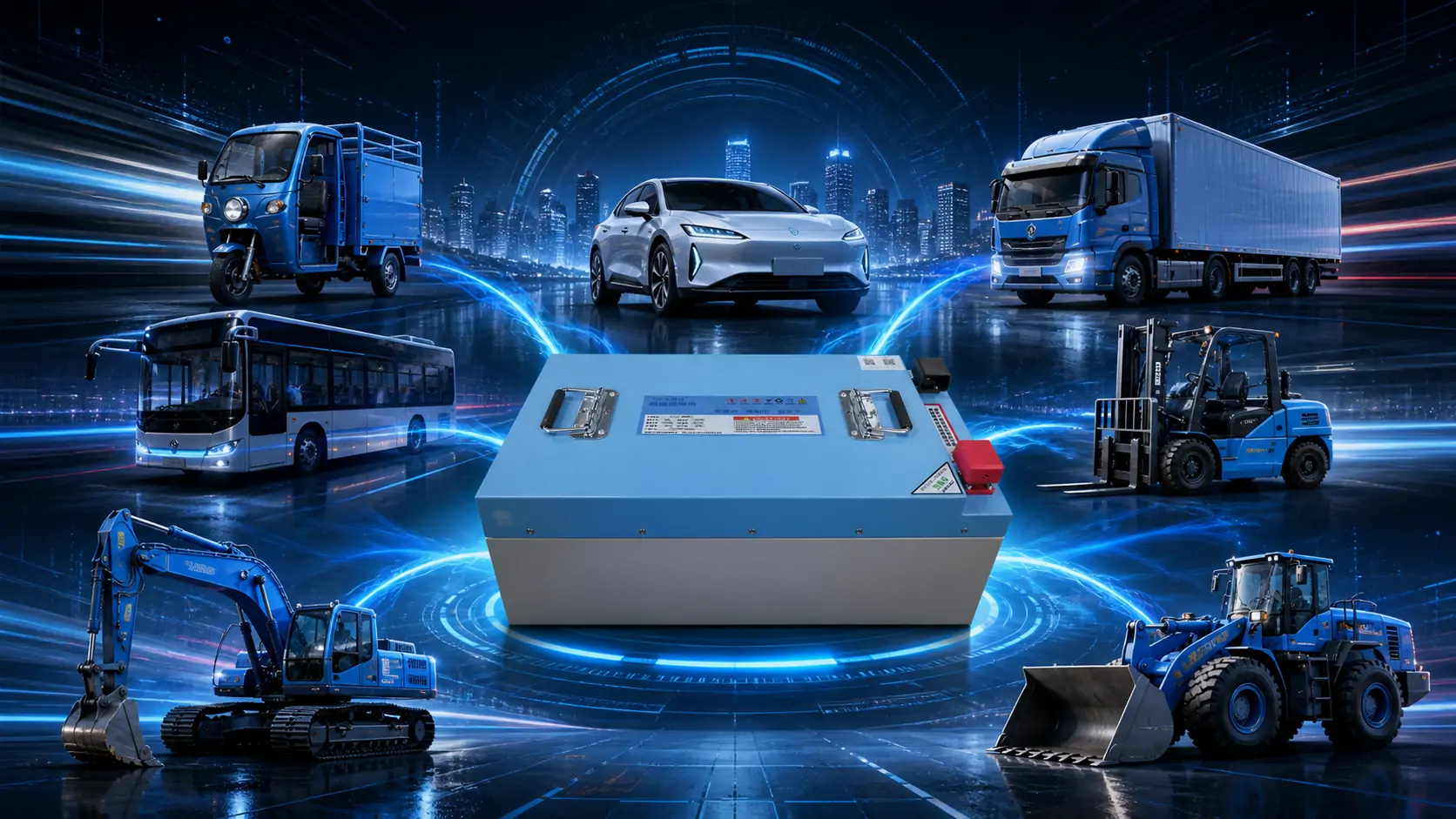
LiFePO4 (lithium iron phosphate) batteries are widely recognized for their long cycle life, safety, and stable performance. For OEM buyers, distributors, and technical teams, understanding what influences cycle life is essential for selecting the right battery and maximizing return on investment. This article explains the primary factors that affect LiFePO4 battery cycle life and provides practical guidance for procurement and system design.
What Is LiFePO4 Battery Cycle Life?
Cycle life refers to the number of complete charge-discharge cycles a battery can deliver before its capacity drops to a specified percentage of its original rating, typically 80%. LiFePO4 batteries commonly achieve 2,000 to 5,000 cycles under standard conditions, with some high-quality cells reaching 6,000 cycles or more. However, real-world cycle life depends on several operational and environmental factors.
Key Factors That Impact Cycle Life
Depth of Discharge (DoD)
Depth of discharge is the percentage of battery capacity used in each cycle. A battery cycled at 80% DoD will generally have fewer total cycles than one cycled at 50% DoD. For example, a LiFePO4 battery rated for 4,000 cycles at 80% DoD may achieve 6,000 cycles at 50% DoD. When specifying batteries for your project, consider the expected DoD profile and request cycle life data at multiple DoD levels from your supplier.
Temperature and Thermal Management
Temperature has a direct effect on LiFePO4 chemistry. Operating at high temperatures (above 45°C) accelerates degradation, while low temperatures (below 0°C) can cause lithium plating and permanent capacity loss during charging. Proper thermal management—such as passive cooling, active ventilation, or heating pads for cold environments—helps maintain cycle life. Always verify the manufacturer’s recommended operating temperature range and design your system accordingly.
Charge and Discharge Rates (C-Rates)
High charge or discharge rates generate additional heat and stress on the battery. A LiFePO4 cell that supports 1C continuous discharge may have a shorter cycle life if regularly discharged at 2C or 3C. For applications requiring high power, select cells with appropriate C-rate ratings and ensure the battery management system (BMS) limits current within safe parameters.
Charger Matching and Voltage Settings
Using a charger that matches the battery’s voltage and current specifications is critical. Overcharging or charging with incorrect voltage settings can trigger overvoltage protection or cause internal damage. LiFePO4 cells have a nominal voltage of 3.2V and a full charge voltage of 3.65V per cell. Ensure your charger is specifically designed for LiFePO4 chemistry and includes proper constant current/constant voltage (CC/CV) profiles.
Battery Management System (BMS) Quality
A reliable BMS protects the battery from overvoltage, undervoltage, overcurrent, and temperature extremes. The BMS also balances cell voltages during charging, which is essential for maintaining consistent performance over many cycles. When sourcing LiFePO4 batteries, ask about BMS specifications, balancing current, and protection thresholds.
Practical Guidance for Procurement
When evaluating LiFePO4 batteries for your project, consider the following checks:
- Request cycle life data at your expected DoD and temperature range.
- Confirm the BMS protection parameters and balancing capability.
- Verify charger compatibility and recommended charging profiles.
- Ask about thermal management recommendations for your application environment.
- Review the manufacturer’s quality control processes and cell matching procedures.
Common Misconceptions About LiFePO4 Cycle Life
Some buyers assume that all LiFePO4 batteries offer the same cycle life regardless of usage. In reality, cycle life varies significantly based on cell quality, manufacturing consistency, and operating conditions. Another misconception is that shallow cycling always extends life—while it does reduce wear, the relationship is not linear, and very shallow cycles (e.g., 10% DoD) may not provide proportional gains due to other aging mechanisms.
Frequently Asked Questions
What is the typical cycle life of a LiFePO4 battery?
Most LiFePO4 batteries are rated for 2,000 to 5,000 cycles at 80% depth of discharge before reaching 80% of original capacity. Premium cells can achieve 6,000 cycles or more under optimal conditions.
Does depth of discharge really affect cycle life?
Yes. Deeper discharges place more stress on the battery chemistry, reducing total cycle count. Operating at 50% DoD instead of 80% DoD can increase cycle life by 30–50%, depending on the cell design.
Can I use a lead-acid charger for LiFePO4 batteries?
No. Lead-acid chargers typically have higher voltage setpoints and different charging profiles that can damage LiFePO4 cells. Always use a charger specifically designed for LiFePO4 chemistry.
How does temperature affect LiFePO4 battery life?
High temperatures accelerate chemical degradation, while low temperatures increase internal resistance and risk lithium plating during charging. Operating within the manufacturer’s recommended range (typically 0°C to 45°C for charging, -20°C to 60°C for discharging) is essential for maximizing cycle life.
Leave a Reply