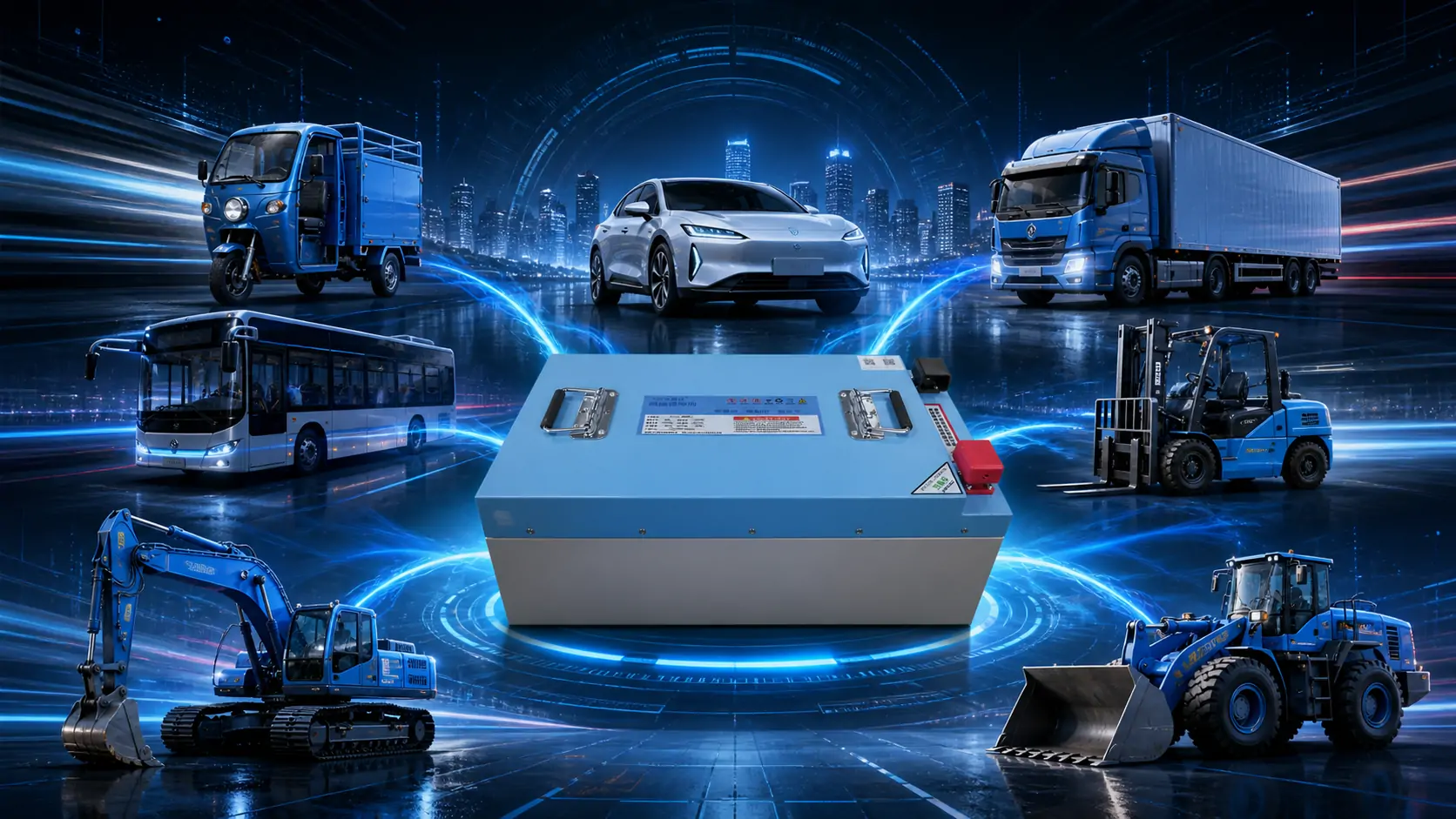
When sourcing a 12V LiFePO4 battery for OEM, distribution, or wholesale projects, understanding the technical and commercial factors is essential. This guide provides a clear framework for evaluating specifications, safety features, charger compatibility, and procurement considerations.
Why Choose a 12V LiFePO4 Battery?
Lithium iron phosphate (LiFePO4) chemistry offers distinct advantages over traditional lead-acid batteries. A 12V lithium iron phosphate battery delivers higher usable capacity, longer cycle life, and consistent voltage output under load. For applications such as solar storage, marine systems, RVs, and backup power, LiFePO4 provides reliable performance with reduced weight and maintenance requirements.
Key Specifications to Evaluate
Capacity and Voltage
Capacity is measured in ampere-hours (Ah). Common 12V LiFePO4 battery capacities range from 20 Ah to 300 Ah. The nominal voltage is 12.8V, with a typical operating range of 10.0V to 14.6V. Ensure the battery’s voltage matches your system’s requirements.
Continuous and Peak Discharge Current
Check the continuous discharge current rating, usually expressed in amperes (A). For high-load applications like inverters or motors, verify the peak discharge current (typically for 5–10 seconds). A battery rated for 100A continuous and 200A peak is suitable for many off-grid and mobile setups.
Cycle Life
LiFePO4 batteries typically offer 2,000 to 5,000 cycles at 80% depth of discharge (DoD). Cycle life depends on operating temperature, charge/discharge rates, and depth of discharge. For long-term projects, prioritize batteries with a cycle life specification at 80% DoD.
Safety and Protection Features
A quality 12v lifepo4 battery should include a Battery Management System (BMS) that protects against overcharge, over-discharge, overcurrent, short circuit, and temperature extremes. Verify that the BMS is rated for your application’s current and environmental conditions. For OEM projects, request BMS specifications and test reports.
Charger Compatibility
Using the correct battery charger is critical for performance and safety. LiFePO4 batteries require a charger with a constant current/constant voltage (CC/CV) profile and a maximum voltage of 14.6V (for 12V systems). Avoid using chargers designed for lead-acid batteries unless they have a dedicated LiFePO4 mode. Chargers with temperature compensation or smart charging algorithms can extend battery life.
Procurement Considerations
Price Factors
The price of a 12V LiFePO4 battery depends on capacity, BMS quality, cell grade (Grade A vs. Grade B), and certifications. Higher capacity and premium BMS features increase cost. For wholesale orders, volume discounts and lead times should be negotiated. Always request a specification sheet and sample testing before bulk procurement.
Specification Ranges
Common specification ranges for 12V LiFePO4 batteries include:
- Capacity: 20 Ah to 300 Ah
- Continuous discharge: 20 A to 200 A
- Peak discharge: 40 A to 400 A (for 5–10 seconds)
- Operating temperature: -20°C to 60°C
- Weight: 2.5 kg to 30 kg depending on capacity
Procurement Checks
When sourcing from suppliers, verify the following:
- Cell origin and grade
- BMS specifications and protection thresholds
- Certifications (e.g., UN38.3, CE, RoHS)
- Warranty terms and return policy
- Sample availability for testing
Frequently Asked Questions
Can I use a lead-acid charger for a 12V LiFePO4 battery?
It is not recommended. Lead-acid chargers often have higher absorption voltages and may not have a proper CC/CV profile for LiFePO4. Using an incompatible charger can damage the battery or reduce its lifespan. Always use a charger specifically designed for LiFePO4 or one with a selectable LiFePO4 mode.
How long does a 12V LiFePO4 battery last?
Cycle life typically ranges from 2,000 to 5,000 cycles at 80% depth of discharge. In practical terms, this can translate to 5 to 10 years or more, depending on usage patterns, charging habits, and operating temperatures. Proper maintenance and avoiding extreme conditions can extend service life.
What is the difference between Grade A and Grade B cells?
Grade A cells are manufactured to the highest quality standards with consistent capacity, low internal resistance, and long cycle life. Grade B cells may have minor cosmetic defects or slightly lower performance but are still functional. For critical applications, Grade A cells are recommended to ensure reliability and warranty compliance.
How do I calculate the required capacity for my application?
Determine the total watt-hours (Wh) your system consumes per day, then divide by the battery voltage (12.8V) to get ampere-hours (Ah). Add a safety margin of 20–30% to account for inefficiencies and depth of discharge limits. For example, a 1,000 Wh daily load requires approximately 78 Ah of usable capacity, so a 100 Ah battery is a practical choice.
Leave a Reply