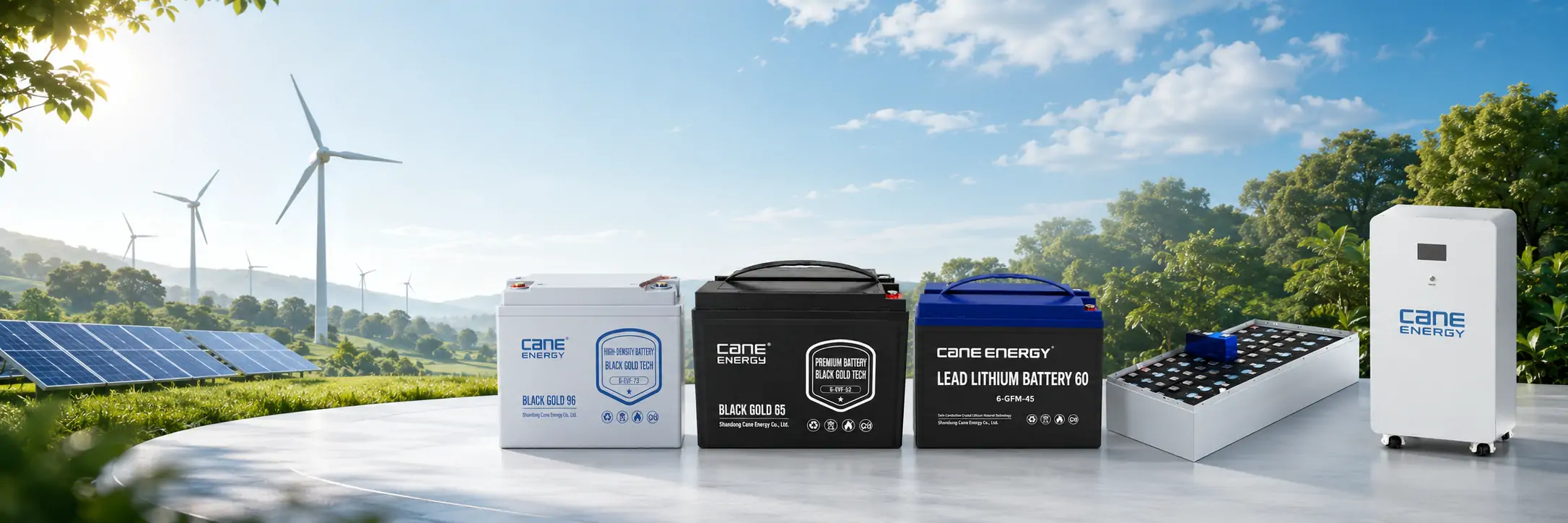
For buyers in Nigeria, understanding the lithium battery price in Nigeria requires more than comparing list prices. The final cost of a lithium battery system depends on several technical and commercial factors that directly affect performance, safety, and lifespan. This guide explains the main price drivers so you can make informed procurement decisions.
Cell Chemistry and Energy Density
The type of lithium cell used is the largest single factor in battery cost. Lithium iron phosphate (LFP) cells are the most common choice for solar storage in Nigeria due to their thermal stability and long cycle life. LFP batteries typically cost more per kilowatt-hour than lead-acid but offer 3–5 times longer service life. Higher energy density cells, such as NMC (nickel manganese cobalt), may have a lower upfront cost per kWh but require more careful thermal management and have shorter cycle life in hot climates. For Nigerian conditions, LFP is generally the recommended chemistry.
Battery Management System (BMS) Quality
A robust BMS is critical for safe operation and battery longevity. The BMS controls cell balancing, overcharge protection, over-discharge cutoff, and temperature monitoring. Batteries with a basic BMS may be cheaper but can lead to premature failure or safety risks. A high-quality BMS with active balancing and communication protocols (such as CAN or RS485) adds to the lithium battery cost but is essential for reliable performance in off-grid and hybrid solar systems common in Nigeria.
Charger and Inverter Compatibility
Not all lithium batteries work with every charger or inverter. Some systems require a specific charge profile (constant current/constant voltage) and communication handshake. Batteries that include a compatible charger or are pre-configured for popular inverter brands (like Victron, SMA, or Deye) may have a higher upfront price but reduce installation complexity and risk of damage. Always verify compatibility before purchasing.
Logistics and Import Costs
Shipping, customs duties, and local delivery add significant cost to imported batteries. Air freight is faster but much more expensive than sea freight. Batteries classified as dangerous goods require special handling and documentation. Buyers should request a full landed cost quotation that includes all logistics, insurance, and import taxes. Bulk orders typically reduce per-unit shipping costs.
Warranty and After-Sales Support
Warranty terms vary widely among suppliers. A standard warranty for a quality LFP battery is 5 to 10 years, but the conditions (such as throughput limits, temperature range, and proof of proper installation) affect the real coverage. Batteries with a longer, more comprehensive warranty usually cost more upfront but provide better long-term value. Ensure the supplier has a local service partner or clear return process for warranty claims in Nigeria.
Procurement Checklist for Nigeria Buyers
- Confirm cell chemistry (LFP preferred for solar storage).
- Request BMS specifications: balancing method, communication protocol, protection features.
- Verify inverter/charger compatibility with the battery model.
- Ask for a full landed cost breakdown (FOB, freight, insurance, duties).
- Review warranty terms: duration, throughput limit, temperature conditions, and claim process.
- Check supplier certifications (CE, UN38.3, IEC 62619) for safety compliance.
Frequently Asked Questions
What is the average lithium battery price in Nigeria for a 5kWh system?
Pricing varies significantly based on the factors above. A 5kWh LFP battery system with a quality BMS and compatible charger typically falls in a range that reflects cell grade, brand, and logistics. Request multiple quotes with full specifications to compare value, not just price.
Why are lithium batteries more expensive than lead-acid in Nigeria?
Lithium batteries have higher energy density, longer cycle life (3,000–6,000 cycles vs. 500–1,000 for lead-acid), and require less maintenance. The higher upfront lithium battery cost is offset by lower total cost of ownership over the battery’s lifespan, especially in solar applications with daily cycling.
How can I reduce the cost of importing lithium batteries to Nigeria?
Consolidate orders to achieve better sea freight rates, choose standard battery sizes to avoid custom fabrication, and work with suppliers who handle customs clearance. Some suppliers offer regional warehousing in West Africa to reduce per-unit logistics costs.
What should I look for in a battery supplier for Nigeria?
Look for suppliers with experience exporting to Nigeria, clear documentation (commercial invoice, packing list, MSDS, UN38.3 test report), and a warranty that covers local conditions. Ask for references from other Nigerian buyers and verify the supplier’s after-sales support capabilities.
Leave a Reply