Author: daxia

  • Cane Energy Files Patent for Lightweight High-Energy Power Battery Electrolyte

    Cane Energy Files Patent for Lightweight High-Energy Power Battery Electrolyte

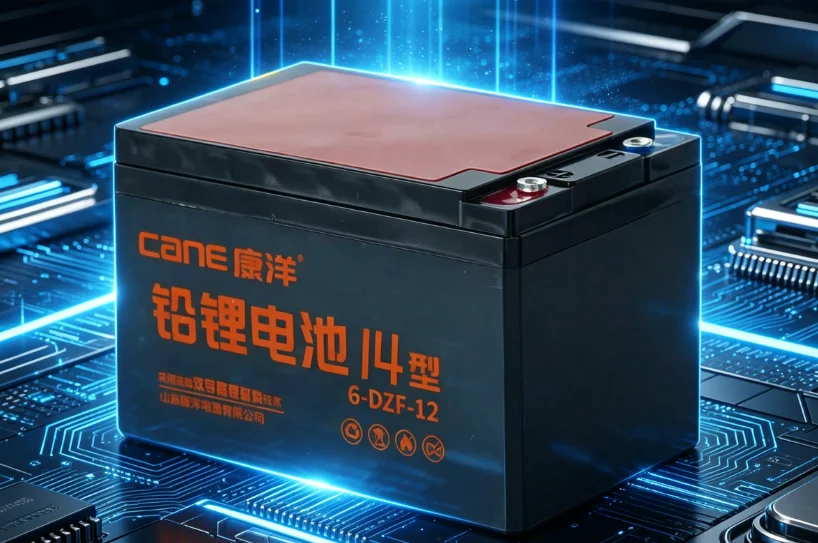
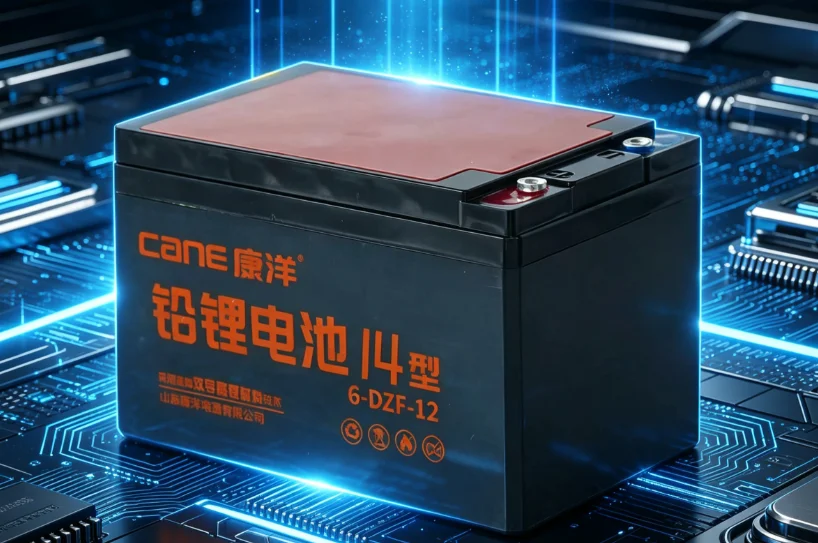
    According to information from the China National Intellectual Property Administration, Shandong Cane Energy Power Technology Co., Ltd. has filed a patent titled “A Lightweight High-Energy Power Battery Electrolyte,” with application number CN202511122743.0 and a publication date of November 2025.

    Patent Abstract

    The present invention relates to the technical field of battery electrolytes, specifically to a lightweight high-energy power battery electrolyte. It includes perfluorocyclobutane-polytetrahydrofuran polyrotaxane gel, PbS@MoS2 core-shell quantum dot interface regulation, and a LiFSI/Mg(TFSI)2 dual-salt system, achieving high wettability. This increases the overall mass energy density of the battery to 398 Wh/kg, which is 53% higher than that of LFP batteries of the same volume.

    The FDAC solvent has a freezing point as low as -68°C. Combined with the reduced desolvation barrier from PbS@MoS2 core-shell quantum dots, the 5C discharge capacity retention rate at -50°C reaches 83%. The gradient SEI induced by the dual-salt system exhibits high compressive stress characteristics. Together with the topological restriction of dendrite growth by PbS@MoS2 core-shell quantum dots, it successfully passes 50 MPa extrusion and nail penetration tests.

    Background Technology

    In typical application scenarios of lightweight high-energy battery electrolytes (such as drones and electric vehicles), existing formula designs are mostly based on the need for high energy density, lightweight, and safety improvements, but still have many limitations. Shortcomings of existing technologies include: conventional carbonate-based electrolytes have a density as high as 1.6-2.0 g/cm³, causing the battery system mass to account for over 35%, severely restricting lightweight requirements; at -40°C, electrolyte viscosity surges (>300 cP), Li⁺ transference number <0.3, and capacity drops sharply to below 15% of the initial value; under fast charging (≥5C), lithium deposition is uneven (surface roughness Ra>300 nm), easily causing short circuits and dendrite risks; additionally, the SEI layer formed by commercial electrolytes has a volume expansion rate of 85% during cycling, leading to a sharp increase in interface impedance and poor film formation stability.

    Description Drawings

    This article is reproduced for corporate publicity only. Copyright belongs to the original media. If copyright issues are involved, please contact us for timely handling.

    Source: Intercontinental Battery Circle WeChat Official Account, February 5, 2026. Data source: China National Intellectual Property Administration.

  • Cane Energy Holds 2026 First Lecture and 2025 Commendation Conference

    Cane Energy Holds 2026 First Lecture and 2025 Commendation Conference

    On February 25, Cane Energy held its 2026 First Lecture of the Year and 2025 Summary and Commendation Conference. More than 600 outstanding employees gathered to review the achievements of the past year and outline the development blueprint for the new year.

    Session 1: Commending Advanced Individuals and Setting Role Models

    The conference first honored the 2025 advanced workers, presenting ten awards including Innovation Award, Progress Award, Outstanding Employee Award, Outstanding Management Award, Outstanding Volunteer Award, Publicity Ambassador Award, Top Ten Diligent Ox Award, Top Ten Valiant General Award, Dedication Award, and Contribution Award. These honors recognized the awardees’ outstanding contributions in their respective positions and inspired all employees to learn from them and strive for greater achievements in the new year.

    Session 2: Chairman’s Speech Outlining 2026 as the Year of Comprehensive Improvement

    During the meeting, the Chairman delivered an important speech. He pointed out that 2025 was Cane Energy’s Year of Technology Improvement, with significant efforts in introducing technology and talent, leading to rapid technological progress. The corporate culture further took root, with the concept of “love and altruism” deeply ingrained, significantly enhancing employee happiness. 2026 is designated as the “Year of Comprehensive Improvement,” and the company will focus on the following tasks:

    • Introduce the Amoeba management model to achieve comprehensive upgrades in technology, culture, and management, stimulating organizational vitality.
    • Promote improvement and innovation, with energy conservation and consumption reduction as the starting point, encouraging all employees to actively propose reasonable suggestions and continuously optimize production processes.
    • Strictly control the quality lifeline, further ensure product quality, and firmly adhere to the goal of “making the best quality batteries in China.”
    • Mobilize a business mindset across the board, deeply implement the grand marketing strategy, cultivate the market, achieve counter-trend growth, expand customers in multiple scenarios and channels, and turn market downturn challenges into momentum.
    • Continue to practice the altruistic corporate culture, care for employees, empower customers, and build a warm-hearted enterprise.

    The Chairman emphasized: “Start of work means start of battle!” The entire company must be united, closely follow the work deployment, strictly implement company policies, and embark on the new journey with high morale.

    Session 3: Learning the First Lesson of the Year and Strengthening Safety Defenses

    The Chairman led all attendees in learning the first lesson of the year, conveying the spirit of documents on ensuring safety during work resumption, and collectively watched a safety production warning education video.

    The meeting stressed that production must always be vigilant about safety, strictly follow operating procedures, and ensure equipment safety. All departments should deeply learn from the accident cases in the video, integrate safety awareness into every link, and maintain constant vigilance.

    The meeting required further strengthening of new employee training, prioritizing safety training, and strictly implementing the ten safety prohibitions. All departments should immediately conduct self-inspections and self-corrections for safety hazards, leaving no blind spots and avoiding mere formality, to ensure safe and orderly work resumption and provide a solid foundation for the year’s production and operations.

    This conference was not only a summary meeting to commend advanced individuals but also a mobilization meeting to unite efforts. In 2026, all employees of Cane Energy will take this as a starting point, unite as one, strive hard, and achieve comprehensive upgrades in technology, culture, management, and other aspects, jointly promoting the company’s development to a new level!

    Founded in 2002, Cane Energy is a large modern production enterprise integrating R&D, production, and sales of electric vehicle batteries, chargers, and controllers. The company has strong technical strength, with domestic first-class process levels and advanced production equipment. It is one of the most powerful lead-acid battery manufacturers in China and a leader in the new energy industry.

  • Cane Energy January Employee Birthday Party: A Warm Celebration of Love and Altruism

    Cane Energy January Employee Birthday Party: A Warm Celebration of Love and Altruism

    As the year turns, warmth remains unchanged. On the afternoon of January 22, Cane Energy held its January 2026 employee birthday party. The birthday stars gathered together, sharing an unforgettable time filled with laughter and joy, experiencing the profound power of Cane Energy’s culture of ‘love’ and ‘altruism.’

    At the start of the event, birthday gifts carrying sincere blessings were presented to each birthday star. Notably, every gift included a birthday card personally written by Chairman Feng. The heartfelt words on the cards not only conveyed birthday wishes but also reflected genuine care for each employee’s growth. This unique gesture is a vivid illustration of Cane Energy’s ‘love’ culture.

    Accompanied by the warm birthday song, a carefully prepared birthday cake was slowly brought out. In the flickering candlelight, a representative of the birthday stars joined Chairman Feng in cutting the cake, symbolizing shared joy and a shared future. Everyone sat around the long table, surrounded by laughter and a relaxed, harmonious atmosphere, with happy smiles on every face.

    The subsequent ‘balloon stomping’ game brought the atmosphere to a climax. The crisp sound of bursting balloons mingled with cheers and laughter, allowing everyone to release stress through interaction and strengthen bonds through collaboration. This simple yet fun game not only brought joy but also showcased the energetic, united, and upward spirit of Cane Energy employees.

    At the end of the event, Chairman Feng delivered a heartfelt speech, offering birthday wishes to all the birthday stars. Chairman Feng stated that Cane Energy has always believed that ’employees are the company’s most valuable asset,’ and the company will continue to unwaveringly build itself into the ‘Fat Donglai of the battery industry,’ living up to the trust and expectations of every employee.

    Chairman Feng further emphasized the cultural connotation of ‘upholding integrity and innovation, managing with love.’ The company is not only about creating commercial value but also about achieving the material and spiritual happiness of all employees, building a true home for every member of Cane Energy.

    The birthday party concluded with deep emotion and blessings. Every gathering is a vivid practice of Cane Energy’s ‘love’ culture, and every act of care is a warm transmission of the ‘altruistic’ spirit. In the future, Cane Energy will continue to walk hand in hand with all employees, using culture as a boat and love as oars, sailing together toward the shore of material and spiritual happiness. Founded in 2002, Cane Energy is a large modern enterprise integrating the R&D, production, and sales of electric vehicle batteries, chargers, and controllers. With strong technical strength, first-class domestic process levels, and advanced production equipment, the company is one of China’s most powerful lead-acid battery manufacturers and a leader in the new energy industry.

  • Cane Energy Pioneers Lead-Lithium Battery: 60% Faster Charging, 50% Longer Life

    Cane Energy Pioneers Lead-Lithium Battery: 60% Faster Charging, 50% Longer Life

    “I used to charge my e-bike twice a day for food delivery, but now once a day is enough, and the battery life stays stable even in winter,” said delivery driver Liu, highlighting the unique advantages of Cane Energy’s lead-lithium batteries.

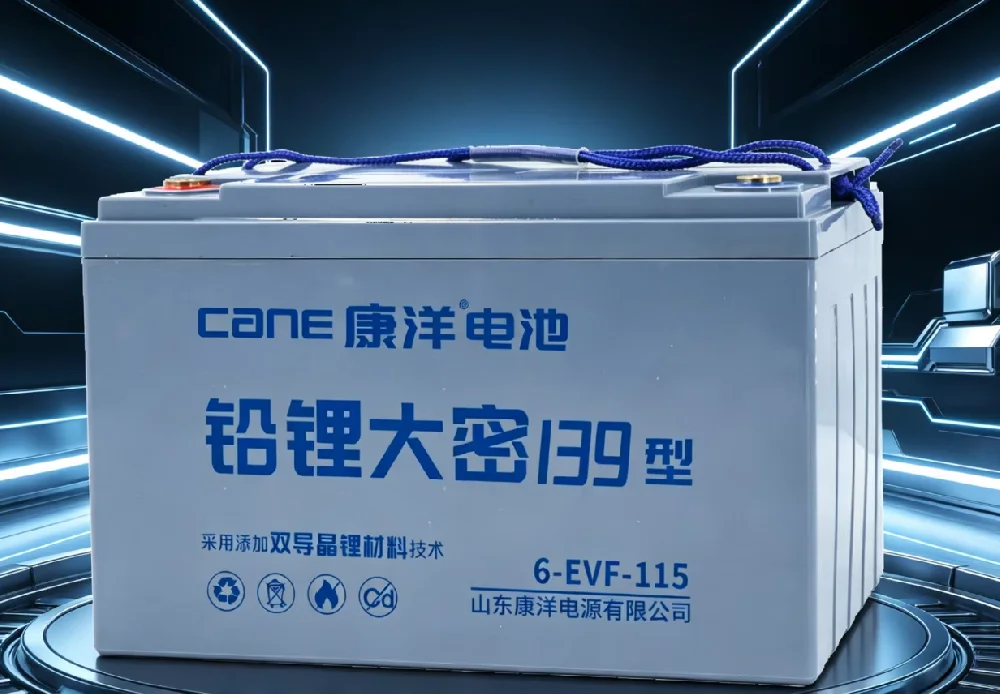
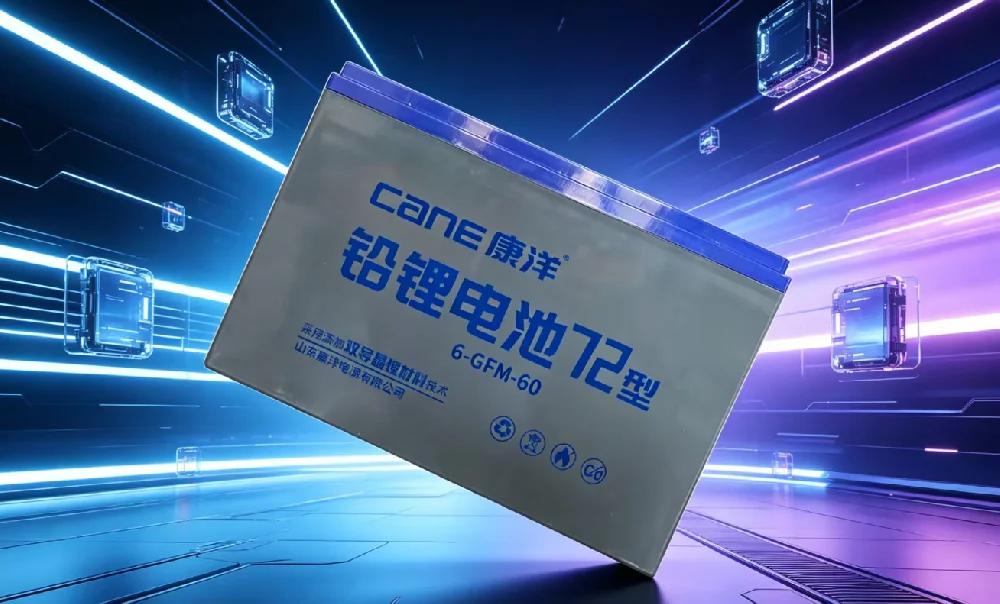
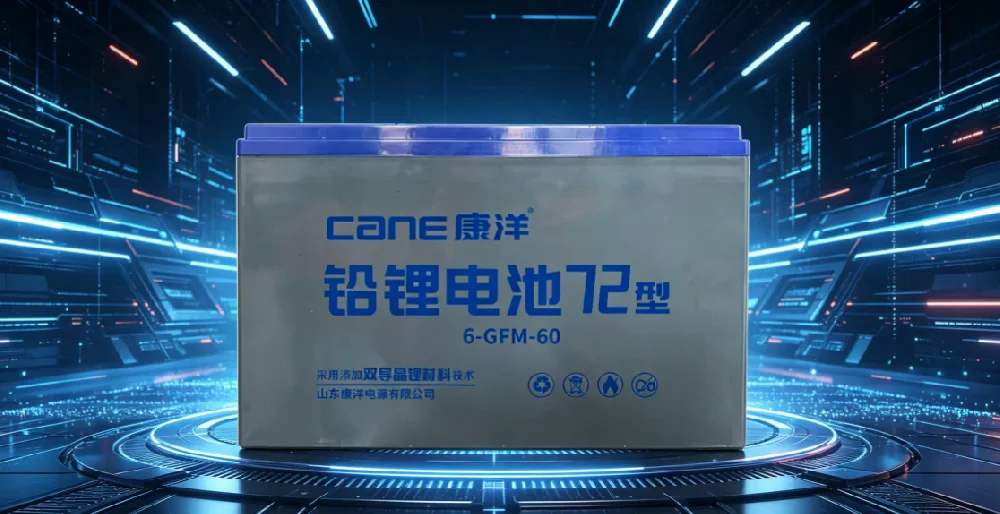
    As a pioneering new battery type in China, Cane Energy’s lead-lithium battery achieves multiple breakthroughs: charging time is reduced from the traditional 8 hours to 2 hours, and service life is extended by 50%. It combines the safety and stability of lead-acid batteries with the constant power and endurance of lithium batteries, maintaining over 70% discharge efficiency even in extreme environments as low as -30°C.

    Founded in 2005 and located in Gaozé Street, Wulian County, Cane Energy is a large modern enterprise integrating R&D, production, and sales of e-bike batteries, chargers, and controllers. Recently, our reporter visited its plate production workshop, where automated continuous casting and rolling production lines operate smoothly, with robotic arms precisely completing processes such as lead strip, mesh punching, continuous coating, and curing. This is both a manufacturing site and a frontier for technological innovation.

    “What we aim to do is not just produce batteries, but redefine them,” said Chief Engineer Xia Bode. The high-energy lead-lithium battery charges 60% faster than ordinary batteries, with a charge-discharge conversion rate of up to 96%, and it does not slow down even when the battery is at 50% capacity. “This is the result of our painstaking efforts,” he added.

    One late night in the autumn of 2021, the R&D center of Cane Energy was brightly lit as the technical team tackled the final challenge of dual-conductive lithium material fast-charging technology. Xia Bode and his colleagues had been working for 20 consecutive hours. “We tried 12 different polymer material formulations,” he recalled. “When the tester showed a charging efficiency of 100%, the entire lab erupted in excitement.”

    This core technology, leveraging a polymer honeycomb electron transport structure, achieves four major breakthroughs: safety and efficiency, ultra-low temperature resistance, ultra-long endurance, and constant power. “It preserves the safety of lead-acid batteries while achieving the energy conversion efficiency of lithium batteries, truly getting the best of both worlds,” said Xia Bode.

    To maintain its technological edge, Cane Energy continues to increase R&D investment: allocating over 6% of annual sales revenue to R&D, collaborating deeply with universities such as Jinan University, Wuhan University of Technology, the Institute of Physical Chemistry of the Chinese Academy of Sciences, and Tsinghua University; flexibly introducing three doctoral teams including Professor Zhu Chengfei from Nanjing Tech University, and cultivating over 30 high-level R&D personnel. The company encourages internal innovation, with the team completing over 100 “five small” innovation projects each year, generating more than 5 million yuan in economic benefits.

    To date, Cane Energy has obtained 32 patents, including for nano-colloidal batteries and low-temperature resistant batteries, and has overcome more than 50 new technologies such as “lightweight high-energy batteries,” achieving industrialization. It has developed a full range of products including lead-lithium batteries, small sealed batteries, and large sealed batteries, covering 12 major categories, 33 series, and over 400 specifications, widely used in electric vehicles, communication base stations, and energy storage stations.

    Alongside technological upgrades, production-side changes are equally impressive. In 2023, Cane Energy invested over 30 million yuan to launch a continuous casting and rolling production line for lead-acid batteries, which was completed and put into operation in July 2024. This advanced fully automated production line integrates lead strip automatic production lines, closed vacuum mixers, and high-temperature closed curing drying rooms, doubling plate capacity and production efficiency, saving 60% labor, and reducing energy consumption by 30%. “Traditional processes required melting lead at 500°C to 600°C, but now it’s only 327°C to 350°C, with lead utilization increasing from less than 90% to over 97%, and no lead fume or dust emissions,” said Deputy General Manager Feng Wei. “While increasing capacity by 50%, costs have dropped significantly, truly achieving automation, intelligence, and green production.”

    The product advantages from technological upgrades quickly gained market recognition. With a 19% increase in battery capacity and a 34% longer lighting duration, coupled with a service system of “one-year replacement plus 18-month warranty,” Cane Energy has become the preferred choice for industries such as food delivery and logistics. Today, its annual battery output exceeds 1.2 million units, with sales revenue reaching 220 million yuan.

    After nearly two decades of dedication, Cane Energy has reaped significant rewards: it has been selected as a national-level specialized and new “Little Giant” enterprise, recognized as a “Shandong Gazelle Enterprise” and “National High-Tech Enterprise,” and in 2024 was included in the provincial green manufacturing units. Moreover, it has taken the lead in drafting industry standards for lead-lithium batteries, promoting technological advancement and sustainable development in the industry.

    At the 2025 National First-Level Service Provider Conference, Chairman Feng Qiyong set a new goal: “We aim to become the ‘Pang Donglai’ of China’s battery industry!” This remark drew warm applause from over 400 service providers—Pang Donglai represents the ultimate in products and services, and Cane Energy is striving to achieve that.

    Tian Wenjun, a first-level section chief of Gaozé Street, said: “The growth of Cane Energy is a vivid example of the street’s efforts to ‘solve problems, find markets, and optimize the environment for enterprises.’ This year, we adhere to precise pairing, precise connection, and precise support, striving to be ‘shop assistants’ serving enterprises, so that high-quality companies can focus on innovation and development, and continue to grow stronger in Gaozé.”

    The government’s “sunshine and rain” nourishes the thriving growth of enterprises. In 2025, Cane Energy’s orders have increased by 30% year-on-year. From a small town to the whole country, from manufacturing to intelligent manufacturing, Cane Energy is setting new quality benchmarks and service standards for the battery industry with focus and innovation.

    This article is a reprint for corporate publicity only. The copyright belongs to the original media. If there are copyright issues, please contact us for timely handling.

    Source: Today’s Wulian WeChat Official Account, October 21, 2025, Reporter: Li Shan

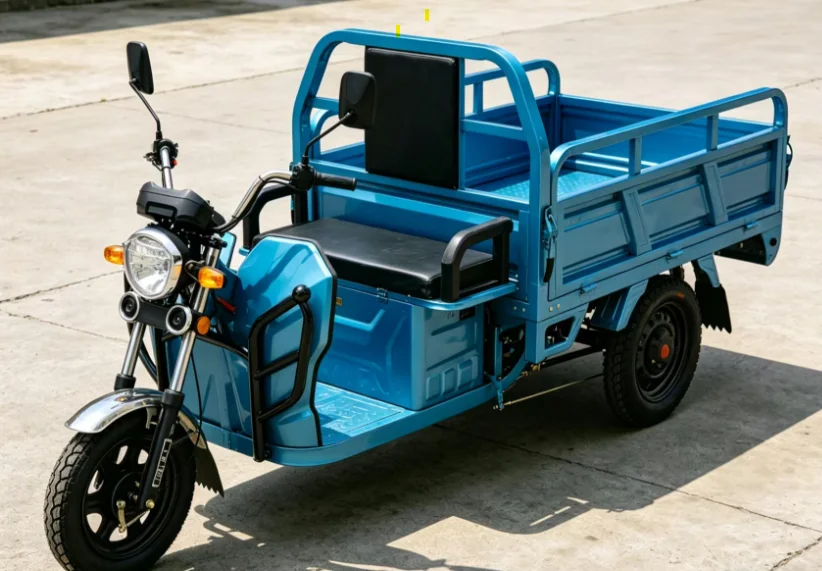
  • Can Electric Vehicles Carry Heavy Loads? Effects on Battery Life

    Can Electric Vehicles Carry Heavy Loads? Effects on Battery Life

    Today, electric vehicles have become an essential means of daily transportation for people. Whether commuting to work, picking up children from school, grocery shopping, or running short errands, they are indispensable. Convenient, economical, and eco-friendly, EVs have become a trusted travel companion for countless households. However, many users worry: will long-term heavy loads damage the EV battery?

    As a professional battery manufacturer, Cane Energy is committed to providing more durable, safer, and more stable power support through high-quality cells and rigorous processes. Today, we will explain the relationship between load and battery life.

    1. What Happens to the Battery Under Heavy Load?

    EV batteries are not physically damaged by weight alone, but excessive loads significantly increase the battery’s workload:

    • The heavier the load, the higher the current when starting, climbing, or accelerating.
    • Sustained high-current discharge raises internal temperature and causes rapid voltage drop.
    • Frequent deep discharges and high-current surges accelerate plate aging, reducing range and cycle life.

    In short: heavy loads don’t crush the battery—they wear it out. Occasional overloading may not cause immediate damage, but frequent and prolonged overloading will noticeably accelerate battery degradation.

    2. These Loading Scenarios Are Most Harmful to the Battery

    • Sudden starts with excessive weight. Exceeding the vehicle’s design load causes a current spike at startup, impacting the battery most.
    • Frequent climbing while carrying heavy loads. Uphill resistance forces sustained high-power output, leading to more severe heating.
    • Riding with heavy loads at low battery. Low charge plus high load easily causes deep discharge damage.
    • Long-term full-load operation. Consistently near or over the weight limit keeps the battery in a high-stress state, accelerating degradation.

    3. Tips for Longer Battery Life

    • Stay within the rated load. Follow the vehicle manual for passenger and cargo limits; avoid overloading or sustained full loads.
    • Start gently and avoid hard acceleration. Ease on the throttle to reduce high-current surges.
    • Reduce loads when battery is below 30%. A fully charged battery handles loads better; low charge plus heavy load causes overwork.
    • Avoid prolonged continuous heavy-load riding. Take breaks during long trips with heavy loads to reduce sustained heat buildup.
    • Charge regularly and properly; avoid storage at low charge. Good charging habits offset some wear and tear.

    4. Summary

    Heavy loads on an EV won’t physically crush the battery, but they increase stress and shorten service life. Battery durability depends not only on product quality but also on daily proper use. By maintaining reasonable loads and following correct usage practices with original qualified batteries, you can maximize battery life while ensuring range.

    Cane Energy consistently adheres to high safety standards, optimizing internal structure and protective performance to effectively reduce risks from high current and heavy loads. Even with occasional heavy loads, our batteries deliver stable output. Choosing our batteries means choosing reliability, safety, and peace of mind for every journey.

  • When Should You Replace Your E-Bike Battery?

    When Should You Replace Your E-Bike Battery?

    The battery is the “heart” of an electric vehicle and the first line of safety. Many e-bike riders often wonder: How long should I use my battery before replacing it? Is it dangerous not to replace it?

    Cane Energy, as a professional manufacturer of lead-acid batteries, always prioritizes safety and compliance to produce batteries that customers can trust. Today, we will explain in the simplest terms when a lead-acid battery should be replaced.

    1. How long does a lead-acid battery normally last?

    Most two-wheeled electric vehicles on the market use lead-acid batteries. The material properties of lead-acid batteries determine their normal degradation pattern. Under normal use and proper charging:

    • Daily commuting and home use: 2–3 years
    • Food delivery or high-frequency use: 1–2 years
    • Well-maintained and properly charged: up to 3 years or more

    2. Replace the battery immediately if these 4 conditions occur

    No matter how long you have used the battery, if any of the following situations occur, do not continue using it—replace it immediately:

    1. Range significantly reduced to less than half of the original.

    A new battery can travel 40 km on a full charge, but now it only goes 15–20 km or less. Or, when you twist the throttle, the power drops by one bar but recovers when stopped. Or, the battery charges quickly but drains immediately when riding. These are typical signs of plate aging and severe capacity loss, indicating it is time for replacement. Visit a professional shop to replace it promptly to avoid damaging other components.

    2. Abnormal charging time and severe heating.

    The charger turns green after only 1–2 hours, indicating the battery cannot accept a full charge. The battery becomes noticeably hot or even scalding during charging. The charger never switches to green and emits a burnt smell. These conditions cause overheating, leading to bulging, leakage, short circuits, and the battery should not be used.

    3. Battery bulging, deformation, or leakage.

    This is the most dangerous sign! If the battery casing bulges, deforms, shows crystals or leakage at the bottom, or cracks, stop using it immediately and replace it. Continuing use poses a serious safety risk.

    4. Poor performance in winter that does not recover in summer.

    As mentioned in previous articles, it is normal for e-bike batteries to perform poorly in winter. However, if the range remains poor even when temperatures rise in summer, or charging and discharging are noticeably worse than before, the battery has permanently aged. It is not a temperature issue—it is time to replace it.

    3. Avoid these common misconceptions

    1. “It still runs, so I don’t need to replace it.” An aged lead-acid battery not only has poor range but can also damage the motor and controller, and pose safety risks.

    2. “Adding distilled water can revive it.” This only works for a very few batteries that are not severely aged. For batteries with severe degradation or bulging, adding water is ineffective and may even be dangerous.

    3. “If the warranty hasn’t expired, I don’t need to replace it.” The warranty is a service guarantee, not a usage limit. If the battery is clearly failing, replace it promptly to avoid running out of power mid-ride.

    4. Manufacturer’s recommendations

    • Do not ride until the battery is completely dead; charge it as you use it.
    • Do not use non-brand chargers; always use the original matching model.
    • Charge in a cool, ventilated area; avoid charging in direct sunlight or rain.
    • If not riding for a long time, recharge at least once a month.
    • If you notice a sudden drop in range, visit a shop for inspection—do not push it.

    5. Summary

    For e-bikes primarily using lead-acid batteries:

    • Normal home use: replace every 2–3 years.
    • High-frequency use: replace every 1–2 years.
    • If range is halved, charging heats up, or battery bulges or deforms: replace immediately.

    Cane Energy has always prioritized product safety, with standardized production processes and multiple quality checks. Choose Cane Energy for greater peace of mind, confidence, and assurance!

  • Are EV Batteries Afraid of Direct Sunlight? Expert Tips for Hot Weather

    Are EV Batteries Afraid of Direct Sunlight? Expert Tips for Hot Weather

    As temperatures rise, electric vehicles (EVs) remain a key mode of daily transport, and their core component—the battery—draws significant attention regarding safety and lifespan. Many people wonder: Are EV batteries afraid of direct sunlight? How should they be maintained in hot weather? As a professional battery R&D and manufacturing company, we provide detailed answers from technical principles and usage scenarios.

    1. EV Batteries Are Indeed Vulnerable to Direct Sunlight

    EV batteries are highly susceptible to direct sunlight. Most EV batteries are lead-acid batteries, and high temperatures are a critical factor affecting their performance, lifespan, and safety.

    1.1 High Temperatures Accelerate Battery Aging, Reducing Range

    Batteries consist of chemical materials. High temperatures intensify internal chemical reactions, accelerating the degradation of active materials. Prolonged exposure to sunlight causes a continuous decline in battery capacity, leading to issues like “inability to charge fully and reduced range,” directly shortening the overall battery lifespan.

    1.2 Causes Battery Bulging and Deformation, Posing Safety Hazards

    Direct sunlight rapidly raises the internal temperature of the battery, increasing internal pressure. This can lead to battery casing bulging and deformation, and in severe cases, may cause wiring aging and insulation degradation, posing safety risks.

    1.3 Increases Charging Risks, Making High-Temperature Charging More Dangerous

    After exposure to sunlight, the battery itself is at an elevated temperature. Charging immediately under such conditions creates a combined effect of “high temperature plus charging heat,” causing the battery and charger to overheat. This not only damages the battery but also poses safety hazards.

    2. Battery Protection Tips for Hot Weather

    Proper daily maintenance can extend battery life and ensure riding safety. These simple and practical tips are easy for everyone to follow.

    2.1 Avoid Prolonged Sun Exposure, Choose Parking Wisely

    Park your EV in shaded, well-ventilated areas without direct sunlight, such as garages, under trees, or in covered parking lots. If parking outdoors for extended periods, use a sunshade or cover to reduce direct sunlight. Avoid parking in direct sunlight during midday heat.

    2.2 Let the Battery Cool Before Charging

    After exposure to sunlight or long rides, allow the battery to cool naturally for at least 30 minutes before charging. Do not charge in direct sunlight or in enclosed, high-temperature environments.

    2.3 Charge Scientifically: Avoid Overcharging and Deep Discharge

    Use the original charger and avoid mixing with inferior or incompatible chargers. Disconnect the power promptly after full charge to avoid prolonged “trickle charging.” Aim for shallow discharges and charges; do not wait until the battery is completely drained before charging.

    2.4 Avoid Long Rides in High Temperatures

    During hot summer periods, minimize continuous long rides. Take breaks to allow the battery and motor to cool down. Avoid frequent rapid acceleration and hard braking to reduce battery load.

    2.5 Regular Inspections and Timely Handling of Abnormalities

    Regularly check the battery for bulging, leakage, deformation, or loose connections. If you notice issues like overheating during charging, sudden range drop, or abnormal charging time, visit a professional service center for inspection.

    3. Peace of Mind for Worry-Free Travel

    As a professional battery company, we adhere to the principles of safety first and quality foremost. From raw materials and production processes to product testing, we strictly control every step to create battery products that are heat-resistant, more stable, and longer-lasting.

    We also remind users: proper use and scientific maintenance are key to extending EV battery life and ensuring travel safety. High temperatures are not a concern as long as you take protective measures. This will keep your battery in good condition, accompanying you on longer and safer journeys.

  • Electric Vehicle Battery Leakage: What to Do and Can You Still Use It?

    Electric Vehicle Battery Leakage: What to Do and Can You Still Use It?

    As the energy storage device and core power component of electric vehicles, the safety of the battery directly affects our personal and property safety. During long-term use, some users may encounter battery leakage, which raises a series of questions: What causes leakage? Can a leaking battery still be used? How should we properly handle leakage? Let’s take a look!

    First, the most important point: If the battery leaks, stop using it immediately!

    If the battery shows any of the following conditions, stop using it immediately:

    • Cracked casing or liquid seepage
    • White or yellow powder at the terminals
    • Pungent acidic or unusual odor
    • Bulging casing with liquid oozing out

    Leakage means the internal seal has failed, the casing is damaged, or internal pressure is abnormal. Continuing to use it will worsen the problem. The leaked electrolyte is corrosive and can damage wiring, destroy insulation, cause short circuits, and lead to overheating or even more serious safety incidents. Remember, leakage is irreversible damage; there is no safe solution like “wipe it and add some fluid to keep using.”

    Why does battery leakage occur?

    1. Long service life and natural aging: After reaching the end of its lifespan, internal materials degrade and seals age, making leakage more likely.
    2. Overcharging or using non-original chargers: Current mismatch or prolonged overcharging can cause internal gas generation and pressure buildup, rupturing the casing.
    3. High-temperature exposure or prolonged use in hot environments: High temperatures accelerate seal aging and internal reactions, leading to bulging and leakage.
    4. Dropping, impact, crushing, or improper installation: Physical damage directly causes casing cracks and seal failure.
    5. Poor battery quality: Inferior cells or substandard sealing processes can cause leakage shortly after use.

    Choosing reputable brands, original genuine products, and batteries that meet national safety standards can significantly reduce the risk of leakage.

    Proper steps to handle battery leakage

    1. Stop using immediately and keep away from people and flammable materials. When leakage is found, disconnect power, stop charging and using, and move the battery to an outdoor, well-ventilated, safe area away from flammable items.
    2. Do not touch with bare hands; wear protective gear. Electrolyte is corrosive and can cause burns or allergies on skin. Wear rubber gloves when handling leaking batteries; never directly wipe liquids or crystalline powder with bare hands.
    3. Simple isolation, no unauthorized disassembly. Do not attempt to pry open, repair, or add fluid to the battery. Keep away from fire sources and wrap the battery in a dry, corrosion-resistant plastic bag to prevent further leakage.
    4. Contact professionals and official after-sales service. Immediately contact the store where you purchased the battery, the brand’s after-sales service, or a professional technician for proper recycling, inspection, and disposal.

    How to prevent battery leakage?

    • Use the original charger; do not mix or modify chargers.
    • Avoid high-temperature exposure and charging in hot conditions.
    • Do not overcharge, deeply discharge, or leave the battery idle for long periods.
    • Ensure secure installation to avoid vibration, impact, or crushing.
    • Regularly inspect the battery for bulging, overheating, or unusual odors, and address issues early.
    • Choose batteries from reputable manufacturers with safety certifications and reliable after-sales service.

    Cane Energy, as a professional battery manufacturer, always uses safe sealing structures and reliable production processes, strictly adhering to national quality and safety standards. Battery safety is no small matter; safety comes first. Proper use, scientific maintenance, and choosing genuine products ensure safer and more durable batteries.

  • Battery Trade-In Pitfalls: How to Avoid Common Scams and Get a Fair Deal

    Battery Trade-In Pitfalls: How to Avoid Common Scams and Get a Fair Deal

    For electric vehicle users, battery trade-in is a necessity: it disposes of old batteries, reduces the cost of new ones, and restores your vehicle’s range. However, the market is full of tricks, opaque pricing, and inconsistent quality, leaving many regretting their decision after finding they were overcharged, received inferior batteries, or have no after-sales support.

    As a professional manufacturer of electric vehicle batteries, this article will thoroughly explain the common pitfalls in the industry to help you avoid them during battery trade-ins.

    1. High Quote First, Then Price Cut: Old Batteries “Get Lighter”

    Many recycling points lure you with a high phone quote, then slash prices upon arrival citing “bulging, leaking, aging, wrong model,” or tamper with the scale to make the battery seem lighter.

    How to avoid:

    • Choose official brand channels and authorized stores with transparent pricing.
    • Ask before trade-in: Is pickup included? Are there extra charges? Is there a minimum buyback?
    • Keep records of your battery’s original weight and configuration, and be present during weighing.

    2. “New Batteries” That Aren’t New: Refurbished, Returned, or Old Stock Sold as New

    This is the most dangerous trap: using refurbished cells or disassembled old batteries repackaged as new, selling long-stocked or near-warranty-expiry batteries, or falsely labeling capacity and voltage, resulting in drastically reduced range. Such batteries not only have short life and poor performance but may overheat during charging, posing fire and bulging risks.

    How to avoid:

    • Only buy genuine brand batteries, checking production date, anti-counterfeit code, and certificate.
    • Reject “no-name” or ultra-cheap unbranded batteries.
    • Prefer manufacturer-direct or official warranty channels for trade-ins.

    3. Hidden Bundled Costs: Low Price to Attract, Then Add-Ons

    Some merchants lure with low prices but pile on charges later, e.g., excluding installation, inspection, or wiring fees, falsely claiming controller or wiring damage to force extra repairs, or charging “inspection” or “disassembly” fees if you don’t proceed.

    How to avoid:

    • Confirm a total all-in price upfront: battery price + installation fee – old battery deduction.
    • Get a written agreement: no hidden costs, no forced repairs.
    • Only agree to battery replacement; refuse unrelated services.

    4. Verbal Warranty, No Support When Problems Arise

    Many focus only on price and neglect warranty. Some merchants promise “one-year warranty” verbally but deny it later, fail to provide receipts or warranty cards, lack official after-sales, or even close down.

    How to avoid:

    • Always demand official receipts and warranty documents.
    • Clarify warranty coverage: bulging, range issues, quality defects.
    • Choose brands with nationwide warranty and manufacturer-direct after-sales.

    5. Improper Disposal of Old Batteries: Environmental and Safety Hazards

    Used lead-acid and lithium batteries are hazardous waste. Improper disposal pollutes the environment and violates regulations. Some small workshops dismantle and dump electrolyte, contaminating soil and water. Improper storage can also cause short circuits and fires.

    How to avoid:

    • Only use certified recycling companies with proper permits.
    • Do not sell old batteries to unlicensed itinerant dealers.
    • Support formal recycling and eco-friendly disposal for safety and compliance.

    6. Mismatched Models or Poor Installation: Damages Vehicle and Poses Risks

    Correct matching and installation are critical. Wrong voltage, capacity, or size can prevent charging or damage the controller. Poor installation can cause loose connections and short circuits while riding.

    How to avoid:

    • Replace batteries strictly according to your vehicle’s original specifications.
    • Have a professional technician install, ensuring insulation, secure mounting, and waterproofing.
    • Test charging, discharging, and range after installation before leaving.

    Finally, here is the correct process for a brand trade-in:

    • Consult for a quote: confirm battery model, number of old battery packs, and buyback price.
    • Visit the store for inspection: verify battery condition, no price tricks.
    • Replace with genuine new batteries: brand new, traceable anti-counterfeit code, with warranty.
    • Professional installation: proper wiring, secure fastening, safety tests.
    • Old battery recycling: formal disposal, receive a recycling or trade-in certificate.
    • After-sales support: official warranty for quality issues.

    Battery trade-in should prioritize safety and quality. Don’t be fooled by low prices. Avoid traps like price cuts, refurbished units, hidden costs, and no warranty. Choose reputable brands, official channels, and professional service for a worry-free experience.

    Cane Energy batteries are fully certified, high-quality, and reliable—use with confidence!

  • Electric Vehicle Won’t Charge? Most Likely This Issue

    Electric Vehicle Won’t Charge? Most Likely This Issue

    During daily use of electric vehicles, many users encounter situations where the battery won’t charge: no response when plugging in the charger, indicator lights not working, the charge level remaining unchanged after a long time, or even a charging fault displayed; or after charging for a long time, the vehicle runs out of power after just a few hundred meters. At such times, many people’s first reaction is that the battery is broken, but in reality, most charging failures are not due to battery failure itself, but rather caused by usage habits, external accessories, or environmental factors.

    As a professional battery manufacturer, based on years of after-sales data and technical experience, we systematically outline the most common reasons why electric vehicles fail to charge, along with self-check and troubleshooting methods, to help you quickly diagnose and avoid unnecessary detours.

    1. Charger Issues: The Most Overlooked Culprit

    The charger is the core component connecting the power source and the battery, and it also has the highest failure rate. Batteries of different voltages, capacities, and models should use dedicated chargers; never mix them. Using fast chargers, generic chargers, or those with mismatched voltages can trigger the battery’s protection circuit to refuse charging.

    Self-check method: Try using a same-model original charger to see if normal charging resumes.

    2. Poor Contact: A Seemingly Minor Issue but a Common Fault

    Long-term riding on bumpy roads can easily cause loose connections or wiring, leading to charging interruptions. The most common issues include loose, oxidized, or rusty contacts between the battery and the vehicle socket, deformed, dirty, or water-damaged charging port tabs, and loose or faulty wiring connectors.

    A typical symptom of such problems is that wiggling the charging cable allows occasional charging, but a fixed position fails, or charging is intermittent.

    Self-check method: After disconnecting power, check if the charging port is clean and free of oxidation, and ensure the plug is fully inserted. If necessary, wipe the interface with a dry cloth.

    3. Battery Entering Low-Temperature Protection or Over-Discharge Protection

    Many users find that the battery won’t charge at all in winter or after long periods of inactivity. This is a safety protection mechanism built into the battery, not damage. In low temperatures, the chemical activity of lead-acid and lithium batteries decreases, and the system automatically suspends charging to prevent cell damage. Another scenario is when the battery is completely drained or left idle for a long time, causing the voltage to drop below the safety threshold, triggering the protection circuit to lock and refuse high-current charging.

    Self-check method: Move the vehicle to a room-temperature environment and let it sit for 1–2 hours before charging. For long-idle batteries, it is recommended to use a low-current repair charger to gradually reactivate them.

    4. Battery Aging and Abnormalities from Usage Habits

    If the above issues are ruled out and charging still fails, the problem may be related to the battery’s condition. For example, the battery has reached the end of its service life with severe capacity degradation, long-term improper use has caused internal cell imbalance, or a single cell within the pack is damaged, triggering the entire pack’s protection. However, the number of batteries that are truly directly scrapped is far less than imagined. Many batteries are simply in a protected state and can be restored after professional testing and balancing repair.

    5. Professional Advice: Proper Charging to Extend Battery Life

    To reduce charging failures, we recommend:

    • Use the original matching charger; do not mix or modify it.
    • Avoid fully draining the battery before charging; charge as you use to better protect the battery.
    • If the vehicle is not used for a long time, recharge the battery every 1–2 months.
    • Keep the charging environment dry, ventilated, and at room temperature; avoid direct sunlight, rain, and low-temperature charging.
    • When a fault occurs, perform a self-check first, then consult a professional for testing. Avoid blindly replacing parts to save costs.

    6. Conclusion

    When an electric vehicle fails to charge, don’t rush to replace the battery. Most issues are concentrated in the charger, poor contact, or protection triggered by improper use; the proportion of actual battery failures is relatively low. Learning simple self-checks can reduce unnecessary expenses and better protect the battery, extending its service life.

    Cane Energy always focuses on safety, durability, and reliability, providing users with high-quality battery products and professional technical support. If you encounter battery issues that are difficult to diagnose, we recommend visiting an official authorized service center for professional testing and maintenance.